Verify the exact home
Check the current listing, lease terms, deposits, utilities, insurance and recurring fees. A citywide median is not a property quote.
From central districts to quieter residential areas, use this guide to build a East Honolulu CDP shortlist, then verify the exact address and current conditions.
Address-level verification workflow
The editorial guide below can help build a shortlist, but rents, home values, safety, schools and travel times can differ by block and change quickly. Complete these checks before signing or buying.
Check the current listing, lease terms, deposits, utilities, insurance and recurring fees. A citywide median is not a property quote.
Use the local police or open-data portal for the exact address and relevant time period. Citywide rates cannot prove block-level risk.
District and attendance boundaries can change. Verify the exact address with the district before relying on a school assignment.
Travel the route at the hours you would use it and include parking, transfers, tolls and weather—not only an off-peak estimate.
Combine housing, transportation, taxes, insurance, childcare and debt. Neighborhood fit depends on the household, not a universal winner.
Walk the area during daytime and evening, check noise and services, and speak with qualified local professionals where appropriate.
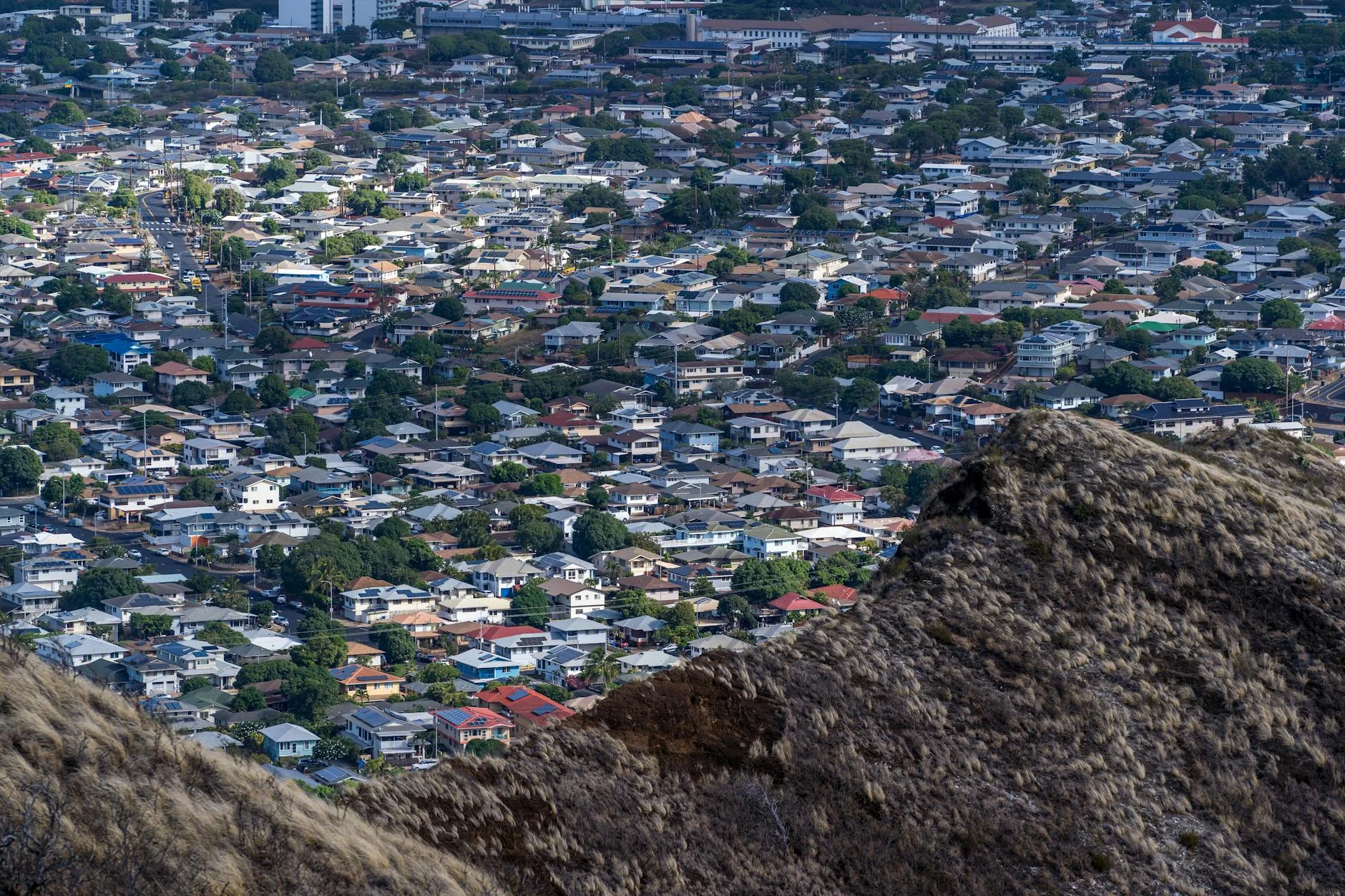
East Honolulu isn't just one place—it's a patchwork of distinct micro-climates where a 10-minute drive can mean the difference between a $1.2M fixer and a $3M oceanfront tear-down. Choosing the right neighborhood here is less about budget and more about which version of paradise you can actually live in.
| Neighborhood | Vibe | Rent Range | Best For | Walk Score |
|---|---|---|---|---|
| Kaimuki | Hip, walkable village | $1,800-$2,400 | Foodies & remote workers | ~78 |
| Palolo Valley | Quiet, family-focused | $1,600-$2,100 | Young families | ~45 |
| St. Louis Heights | Hillside, established | $1,700-$2,200 | Value hunters | ~52 |
| Kapahulu | Tourist-adjacent hustle | $1,900-$2,600 | Night owls & commuters | ~71 |
| Waialae-Kahala | Luxury, resort-style | $2,500-$3,500+ | Executives & families | ~62 |
Overview: This is East Honolulu's only true "downtown"—a walkable strip of mom-and-pop shops and destination restaurants anchored by the 1920s Waialae Drive-In Theatre. The neighborhood climbs steeply from the commercial core into residential streets lined with Craftsman homes.
The Numbers:
Local Intel: The Saturday farmers market at the Kaimuki Community Center is where locals actually shop—not tourists. Parking on Waialae Avenue is brutal after 5pm; locals use the free lot behind the post office. The secret shortcut: cut through the residential streets like 12th Ave to avoid Waialae Ave traffic during rush hour.
Who Thrives Here: Remote workers who treat coffee shops like their office and want to walk to dinner without planning ahead. Specifically, the creative class—photographers, writers, and designers who need inspiration but hate the Waikiki chaos.
Pros & Cons:
Schools: Kaimuki Middle School (above average), Roosevelt High School (good). Waialae Elementary is a strong public option.
The Verdict: Move here if you want urban energy without the tourist tax. Avoid if you need a yard for kids or commute during peak hours to the airport.
Overview: A narrow valley carved by Palolo Stream, this is East Honolulu's secret family haven. The valley floor is flat and flood-prone, but the hillside streets offer panoramic views and cooler temperatures. It's a 5-minute drive to Kaimuki but feels like a different world.
The Numbers:
Local Intel: The Palolo Valley Homes public housing creates some traffic on Palolo Avenue, but also brings authentic local businesses like Palolo Chinese Home senior center's weekend dim sum (open to public). The real hack: use the Kaimuki post office on Waialae instead of the tiny Palolo branch. Flood risk is real on the valley floor—check FEMA maps before buying.
Who Thrives Here: Families with one parent working at UH Manoa who prioritize square footage over nightlife. Specifically, tenure-track professors and state employees who need space but want to stay close to town.
Pros & Cons:
Schools: Palolo Elementary (average), Jarrett Middle (below average). Most families send kids to private schools or apply for charter.
The Verdict: Perfect for families who want to buy their first home without leaving town. Skip it if you're single and want walkable amenities or if flood insurance is a dealbreaker.
Overview: Perched on the ridge above Palolo Valley, St. Louis Heights is a hillside neighborhood of 1950s-60s era homes with stunning views and a strong Catholic school community. The streets are steep and winding, and the St. Louis School campus dominates the upper section.
The Numbers:
Local Intel: The St. Louis Drive-In (not to be confused with Kaimuki's) is a hidden gem for cheap local plate lunches. The hillside streets like Cleghorn and Kaimuki Avenue offer the best sunset views in East Honolulu. Parking is easier than Kaimuki but watch out for the steep grades—parallel parking on a 15% incline is an art form.
Who Thrives Here: Families with kids at St. Louis School or Damien Memorial, and budget-conscious buyers who want views without the Waialae-Kahala price tag. Specifically, second-wave locals who grew up in the area and are buying back in.
Pros & Cons:
Schools: St. Louis School (private, excellent), Damien Memorial (private, good). Public options are average at best.
The Verdict: Ideal for Catholic school families and those who value community over convenience. Not for flatlanders or anyone who wants nightlife within walking distance.
Overview: The corridor between Waikiki and Diamond Head, Kapahulu is a gritty mix of tourist hotels, local apartments, and the best late-night food scene in Honolulu. It's where the "real" Honolulu meets the visitor industry, centered around the Kapahulu Avenue strip.
The Numbers:
Local Intel: The Kapahulu Avenue corridor from Kapiolani Blvd to Monsarrat is your 24-hour lifeline—Leonard's Bakery malasadas at 2am, Rainbow Drive-In at 3am. The "cut-through" from Kapahulu to Ala Moana via Kapiolani Boulevard is faster than the H1 during 5-6pm rush hour. Avoid the stretch near the Zoo—parking is impossible and tourists clog everything.
Who Thrives Here: Service industry workers who need to be close to Waikiki jobs, and night owls who want 24-hour options. Specifically, bartenders, chefs, and hospitality managers who work odd hours.
Pros & Cons:
Schools: Kapahulu Elementary (average), Jefferson Elementary (better). Most families opt for private due to transient population.
The Verdict: Perfect for Waikiki workers and night owls who want urban grit with real local flavor. Avoid if you need quiet, parking, or have young kids.
Overview: East Honolulu's Beverly Hills—gated estates, the Waialae Country Club, and the Kahala Mall anchor this luxury enclave. It's less a neighborhood than a resort community for the 1%, with manicured streets and private security patrols.
The Numbers:
Local Intel: The Kahala Mall is the only upscale mall left in Honolulu—use it for errands, not shopping. The real secret is the Kahala Beach access at the end of Kealaolu Avenue; it's locals-only and free parking. Security patrols are active—don't speed through here. The Waialae Country Club is members-only but the surrounding streets are public and offer glimpses of the course.
Who Thrives Here: C-suite executives, old money families, and celebrities who want privacy and proximity to Hawaii Kai's golf courses. Specifically, the "trust fund crowd" and tech executives who work from home.
Pros & Cons:
Schools: Waialae Elementary (excellent public), but most use private schools. Punahou is 15 minutes away.
The Verdict: Buy here if money is no object and you want the best schools and security. Everyone else is better off in Kaimuki or St. Louis Heights for half the price.
For young professionals: Kaimuki is your winner—walkable, social, and you can still afford a 1BR on a $80k salary. The commute to downtown is manageable and you're 10 minutes from the beach.
For families: Palolo Valley offers the best value, but St. Louis Heights gives you community and views if you can stretch the budget. Both are safe and quiet, but you'll be driving everywhere.
For executives: Waialae-Kahala is the only choice if you need private schools and security. Don't overpay for a "fixer" in this market—the land value is what matters.
Traffic reality check: The H1 Freeway eastbound is a parking lot from 7-9am, especially at the Punahou exit. Westbound 4-6pm is equally brutal. Use Kapiolani Boulevard as your cut-through to downtown—it's slower but consistent. The bus is viable for Kaimuki and Kapahulu (Routes 2, 13, 22), but forget it for the valleys.
One counterintuitive tip: The best deals are in St. Louis Heights right now. Everyone wants Kaimuki's walkability or Waialae's prestige, so hillside homes with views are sitting on the market 20-30 days longer. You can negotiate 5-10% off list price if you're patient.
Citywide reference fields are not current quotes for a neighborhood or property.
Neighborhood Decisions
The 21st Century ROAD Act could reshape the rental market. But will it actually lower rents?
housingSolo living is a luxury in most metros. Here's exactly what you need to earn in 50 cities.
housingThe 30% rule is dead. Here's what financial planners actually recommend in 2026 — by city.