Verify the exact home
Check the current listing, lease terms, deposits, utilities, insurance and recurring fees. A citywide median is not a property quote.
From central districts to quieter residential areas, use this guide to build a Flagstaff shortlist, then verify the exact address and current conditions.
Address-level verification workflow
The editorial guide below can help build a shortlist, but rents, home values, safety, schools and travel times can differ by block and change quickly. Complete these checks before signing or buying.
Check the current listing, lease terms, deposits, utilities, insurance and recurring fees. A citywide median is not a property quote.
Use the local police or open-data portal for the exact address and relevant time period. Citywide rates cannot prove block-level risk.
District and attendance boundaries can change. Verify the exact address with the district before relying on a school assignment.
Travel the route at the hours you would use it and include parking, transfers, tolls and weather—not only an off-peak estimate.
Combine housing, transportation, taxes, insurance, childcare and debt. Neighborhood fit depends on the household, not a universal winner.
Walk the area during daytime and evening, check noise and services, and speak with qualified local professionals where appropriate.
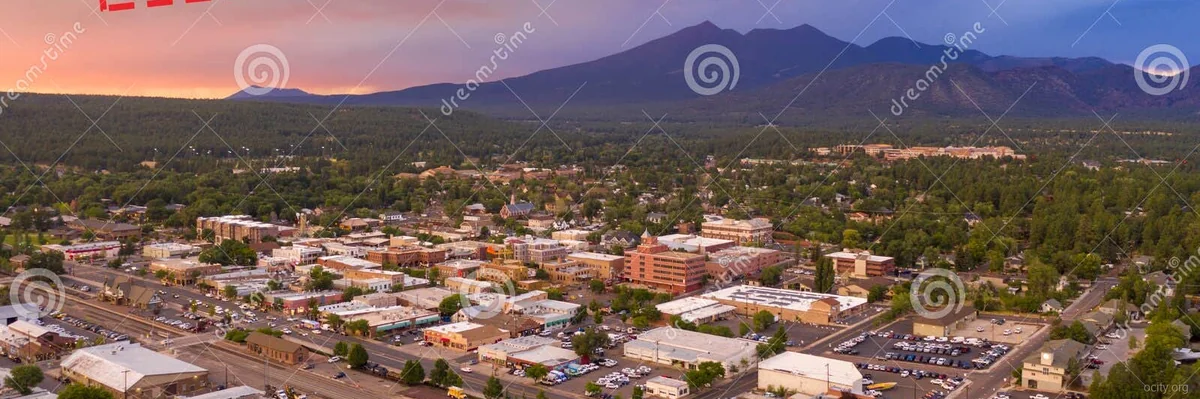
Flagstaff isn't just "up north" anymore. The old lines are blurring. The railroad tracks used to be the hard divider, but now the West Side is getting polished and the East Side is getting dense. Your dollar screams at you differently depending on where you plant it. The university's expansion is a slow-motion shockwave, and the hospital district is a black hole for housing. This is the map for people who know the difference between a "good deal" and a place you'll actually want to live.
Right now, Flagstaff feels like a town bracing for an identity crisis. You have the lifers—the ones who remember when Route 66 was the only game in town—clashing with the remote workers who saw "mountain town" on a blog and cashed out of Austin. The result? A city with a split personality.
The core tension is gentrification with a ski-parka on. Downtown is the epicenter. A single-family home two blocks off San Francisco Street is now a $750k tear-down candidate for a boutique hotel or luxury condos. The dive bars are holding on, but the rents they pay are astronomical. Miz Zip's still smells like stale beer and regret, but the new condo across the street has a Peloton in every unit.
The "hot spots" aren't new, they're just being discovered and priced accordingly. The Southside/University Heights corridor is a masterclass in this. The student housing boom is relentless, pushing faculty and normal people further out. The real shift is happening on the East Side, around the Flagstaff Medical Center. It’s gone from a patchwork of older ranch homes and motels to a high-density zone of new-build apartments and medical office parks. It’s efficient, but it has zero soul.
The West Side is the last bastion of "affordable" single-family homes, but the developers are circling. The vibe there is still the old Flagstaff: dusty yards, pick-up trucks, and a fierce loyalty to The Uptown Pubhouse. But for how long? The gentrification lines are drawn along the train tracks and Route 66. Everything south of the tracks and east of the university is appreciating at a terrifying rate. If you're not on the shortlist, you're on the outside.
| Neighborhood | Vibe | Price Score (vs. Avg $1537) | Best For |
|---|---|---|---|
| Downtown Core | Historic Pressure Cooker | 1.5x - 2x | The career professional, the purist |
| Southside / University Heights | Student-Fueled Energy | 1.2x - 1.4x | Academics, hospital staff, young renters |
| East Side | Sprawling & Practical | 0.9x - 1.1x | Families, budget-conscious buyers |
| West Side / Urban Core | Blue-Collar Grit | 1.1x - 1.3x | DIY-ers, creative types, deal hunters |
For Families: East Side is the clear winner. You get the best school-to-yard ratio in the city. Look around Kachina Village or near Thomas Elementary. You'll sacrifice walkability, but you'll gain a garage and a patch of grass, which is gold for raising kids here.
For Wall St / Tech (Remote or Hybrid): Southside / University Heights. You can write off the higher rent as a lifestyle premium. You can walk to the best trails, be downtown in 7 minutes, and your commute to the airport or a co-working space is minimal. It's the most efficient base of operations.
The Value Play: West Side / Urban Core. This is the last area with upside. The city is already looking at revitalization grants for the S. Beaver St corridor. Buy a fixer-upper on a lot that's zoned for duplexes (check the city maps) before the wave crests. The gentrification train is coming; get your ticket now.
Citywide reference fields are not current quotes for a neighborhood or property.
Neighborhood Decisions
The original cohort retained as economic context without fabricated medical-cost rankings.
City analysisLow cost, growing economies, and zero hype — these cities deserve way more attention
housingThe 21st Century ROAD Act could reshape the rental market. But will it actually lower rents?