
📊 Lifestyle Match
Visualizing the tradeoffs between Grand Forks and Albuquerque
Detailed breakdown of cost of living, income potential, and lifestyle metrics.
Visualizing the tradeoffs between Grand Forks and Albuquerque
Line-by-line data comparison.
| Category / Metric | Grand Forks | Albuquerque |
|---|---|---|
| Financial Overview | ||
| Median Income | $63,838 | $67,907 |
| Unemployment Rate | 2.6% | 4.2% |
| Housing Market | ||
| Median Home Price | $243,300 | $300,100 |
| Price per SqFt | $null | $null |
| Monthly Rent (1BR) | $736 | $1,005 |
| Housing Cost Index | 56.9 | 88.8 |
| Cost of Living | ||
| Groceries Index | 95.9 | 95.4 |
| Gas Price (Gallon) | $3.40 | $3.40 |
| Safety & Lifestyle | ||
| Violent Crime (per 100k) | 315.5 | 1189.0 |
| Bachelor's Degree+ | 39.2% | 39.6% |
| Air Quality (AQI) | 30 | 26 |
AI-generated analysis based on current data.
Choosing a place to live is one of the biggest decisions you'll ever make. It’s about finding a spot that fits your wallet, your lifestyle, and your soul. Today, we’re pitting two vastly different American cities against each other: the high-desert oasis of Albuquerque, New Mexico, and the northern plains powerhouse of Grand Forks, North Dakota.
One is a sun-baked metropolis with a rich cultural tapestry and a slight identity crisis; the other is a resilient, tight-knit college town that knows how to handle winter. Let’s dig in.
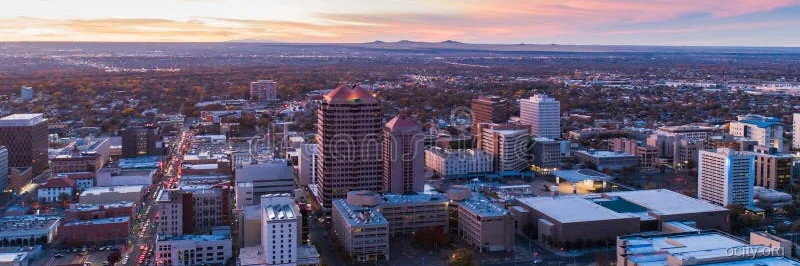
Albuquerque is a city of contrasts. It’s where ancient Pueblo culture meets mid-century modern architecture and a booming tech sector. The vibe is laid-back but ambitious. You’ll find world-class hot air ballooning, an incredible green chile obsession, and a nightlife scene that hums with live music and breweries. It’s a big city (population 560,283) with a small-town feel, nestled in the dramatic Sandia Mountains. It’s for the creative, the adventurer, and anyone who thinks a day isn’t complete without a little sunshine and a view of the mountains.
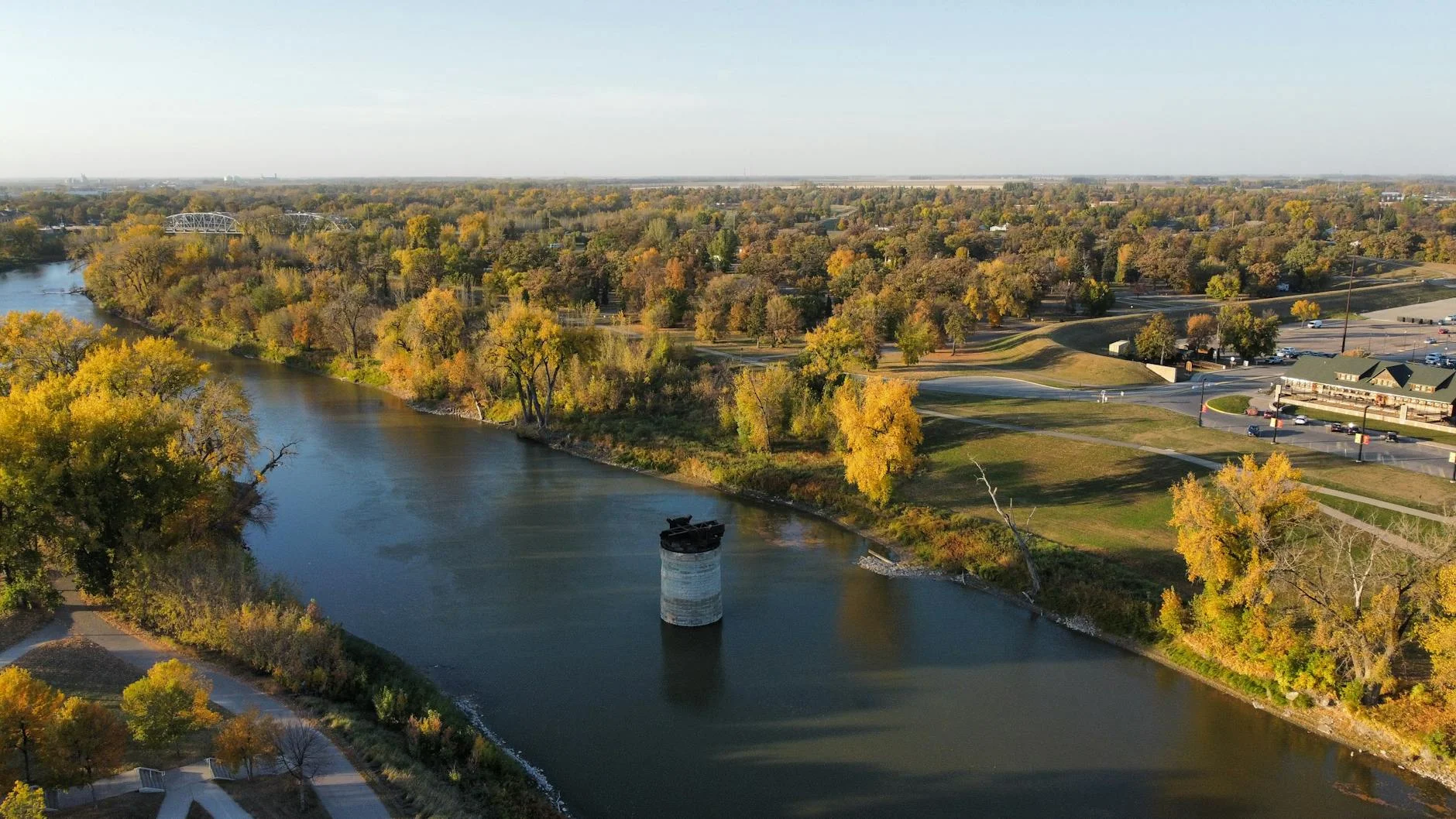
Grand Forks is a quintessential Midwestern prairie town with a massive heart. Home to the University of North Dakota (58,882 residents), the energy here is youthful, resilient, and community-focused. Life revolves around the seasons—biking in the summer, football in the fall, and hibernating (or ice fishing) in the winter. It’s for the pragmatic, the family-oriented, and those who value a quiet, safe, and affordable lifestyle above all else. The vibe is less about flashy culture and more about genuine neighborliness.
The Bottom Line: If you crave sunshine, diverse food, and a touch of Southwestern mystique, Albuquerque is your spot. If you want four distinct seasons, a close-knit community, and a city that feels manageable, Grand Forks calls your name.
Let’s talk numbers. The cost of living is often the ultimate dealbreaker. Here’s how they stack up. (Note: We use national averages as a baseline of 100. Lower is cheaper.)
| Category | Albuquerque, NM | Grand Forks, ND | National Avg (100) |
|---|---|---|---|
| Overall Cost of Living | 88.8 | 56.9 | 100 |
| Median Home Price | $300,100 | $243,300 | — |
| Rent (1BR) | $1,005 | $736 | — |
| Utilities (Monthly) | ~$150 | ~$250 | — |
| Groceries | ~5% above avg | ~3% below avg | 100 |
Salary Wars & Purchasing Power
Let’s say you earn the median income in each city. In Albuquerque, you’d make $67,907. In Grand Forks, you’d make $63,838. On the surface, Albuquerque pays more. But when you factor in the cost of living, Grand Forks is the undisputed champion of purchasing power.
Your $63,838 in Grand Forks stretches further than $67,907 in Albuquerque. The housing index is a staggering 56.9 vs. 88.8. That means a home in Grand Forks is nearly 45% cheaper relative to income. Rent is almost $300 cheaper per month. Even groceries and daily expenses are lower.
Tax Insight: New Mexico has a progressive income tax (up to 5.9%), while North Dakota has a simpler, flatter system (top rate of 2.5%). So, not only is the cost of living lower in Grand Forks, but you might also keep more of your paycheck.
The Dollar Verdict: If your primary goal is to maximize savings, buy a home on a modest income, or simply live without financial stress, Grand Forks provides a massive bang for your buck. Albuquerque is still affordable compared to coastal cities, but it’s catching up.
Albuquerque: A Seller’s Market
The Albuquerque housing market is competitive. With a median home price of $300,100, it’s elevated but not outrageous. However, inventory is often tight, leading to bidding wars, especially for well-priced homes under $350k. Renting a 1BR for $1,005 is a viable option, but it’s rising. For buyers, it’s a seller’s market—you need to be prepared, pre-approved, and ready to move fast.
Grand Forks: A Buyer’s Paradise
Grand Forks is a buyer’s market. The median home price of $243,300 is incredibly accessible. With a lower cost of living and a stable economy (thanks to the university and air force base), demand is steady but not frantic. You can get significantly more house for your money—think a three-bedroom family home with a yard for the price of a condo in Albuquerque. Renting is even more of a steal at $736/month, making it ideal for students, young professionals, or anyone testing the waters.
The Deal: If you’re looking to buy and want to avoid bidding wars, Grand Forks offers a much easier entry point. Albuquerque is doable but requires more patience and a stronger budget.
This is where the cities diverge the most.
Traffic & Commute
Weather: The Ultimate Divider
Crime & Safety
This is a stark contrast.
The Lifestyle Verdict: Grand Forks wins on safety and traffic. Albuquerque wins on weather (if you hate snow) and overall sunshine. It’s a trade-off between a mild, sunny climate with higher crime and a cold, snowy climate with exceptional safety.
After breaking down the data and the lifestyle, here’s the final showdown.
Why: Safety is the #1 priority for families, and Grand Forks is a clear winner. The extremely low crime rate, excellent public schools (due to the university influence), and affordable housing mean you can own a safe home with a yard on a modest income. The community is tight-knit, and the city is geared toward family activities. The brutal winters are the only major con.
Why: This was a tough call. Grand Forks is cheaper and safer, but Albuquerque offers more career diversity and social life. The tech and film industries provide jobs, and the nightlife, dining, and arts scene is far more dynamic. It’s a better place to network and build a career outside of academia or the military. However, higher crime and a more competitive housing market are significant trade-offs.
Why: For retirees on a fixed income, Grand Forks is a financial no-brainer. Stretching your retirement savings is easier with lower housing costs, taxes, and daily expenses. The safety and quiet pace are perfect for a relaxed retirement. The major caveat is the winter—if you have health issues exacerbated by cold, Albuquerque’s milder climate might be worth the extra cost and safety concerns.
Pros:
Cons:
Pros:
Cons:
The Bottom Line: Your choice boils down to a simple trade-off: Do you prioritize climate and culture over safety and affordability? Choose Albuquerque for sunshine and vibrancy. Choose Grand Forks for safety, savings, and a simpler, family-friendly life.