
📊 Lifestyle Match
Visualizing the tradeoffs between Jonesboro and Albuquerque
Detailed breakdown of cost of living, income potential, and lifestyle metrics.
Visualizing the tradeoffs between Jonesboro and Albuquerque
Line-by-line data comparison.
| Category / Metric | Jonesboro | Albuquerque |
|---|---|---|
| Financial Overview | ||
| Median Income | $57,264 | $67,907 |
| Unemployment Rate | 4.1% | 4.2% |
| Housing Market | ||
| Median Home Price | $212,000 | $300,100 |
| Price per SqFt | $137 | $null |
| Monthly Rent (1BR) | $767 | $1,005 |
| Housing Cost Index | 55.5 | 88.8 |
| Cost of Living | ||
| Groceries Index | 92.1 | 95.4 |
| Gas Price (Gallon) | $3.40 | $3.40 |
| Safety & Lifestyle | ||
| Violent Crime (per 100k) | 671.9 | 1189.0 |
| Bachelor's Degree+ | 30.5% | 39.6% |
| Air Quality (AQI) | 34 | 26 |
AI-generated analysis based on current data.
So, you’re standing at a crossroads. One path leads to the high desert of New Mexico, a land of dramatic sunsets, ancient cultures, and chile so good it has its own color. The other path points to the flatlands of Arkansas, a place of Southern hospitality, affordable living, and a slower, more grounded pace. You’re trying to decide between Albuquerque and Jonesboro. It’s not just a choice of cities; it’s a choice of lifestyles.
Let’s cut the fluff and dive deep. As your relocation expert, I’ve crunched the numbers, felt the vibes, and weighed the dealbreakers. This isn’t about which city is “better” in a vacuum—it’s about which one is better for you.
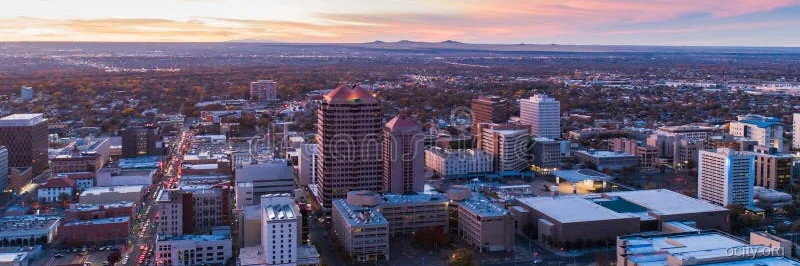
Albuquerque is a city of contrasts. It’s the Duke City, where the Sandia Mountains blaze pink at sunset and the Rio Grande snakes through a valley dotted with adobe homes. The vibe here is laid-back yet adventurous. It’s a major metro (population 560,283) with a distinct Southwestern soul. Think world-class hot air ballooning, a historic Old Town plaza with centuries-old churches, and a growing tech and film scene (thanks to Breaking Bad’s legacy). It’s for the person who craves outdoor access, unique culture, and doesn’t mind a bit of grit. The culture is a rich blend of Native American, Hispanic, and Anglo influences. It’s a city for those who find beauty in the stark, arid landscape.
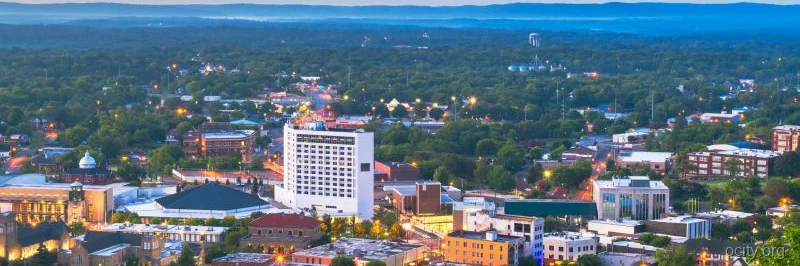
Jonesboro, on the other hand, is the quintessential Arkansas hub. With a population of 80,655, it’s a mid-sized city that feels like a large town. The vibe is friendly, family-oriented, and unpretentious. It’s the economic engine of Northeast Arkansas, anchored by Arkansas State University and a strong agricultural and manufacturing base. Life here revolves around community, college football, and the simple pleasures of a low-key lifestyle. It’s for the person who values a strong sense of community, affordability above all, and a slower, more predictable pace. If you’re looking for a place where neighbors know your name and life isn’t overly complicated, Jonesboro delivers.
Who is each city for?
Let’s talk numbers. Cost of living is often the ultimate decider, and the gap here is dramatic. We’re not just talking about saving a few bucks; we’re talking about a fundamental difference in your financial breathing room.
Cost of Living Breakdown
| Category | Albuquerque | Jonesboro | Winner (Bang for Buck) |
|---|---|---|---|
| Rent (1BR) | $1,005 | $767 | Jonesboro |
| Utilities (Monthly) | ~$170 | ~$150 | Jonesboro |
| Groceries | 5% above nat'l avg. | 4% below nat'l avg. | Jonesboro |
| Housing Index | 88.8 | 55.5 | Jonesboro |
The Salary Wars: Purchasing Power
Let’s do a thought experiment. If you earn the median income in each city, how does it feel?
The Tax Factor: New Mexico has a progressive income tax system, with rates from 1.7% to 5.9%. Arkansas also has a progressive system, but its top rate kicks in much lower ($87,000+). However, Arkansas has a lower overall sales tax burden. The takeaway? For most middle-income earners, the total tax burden in Jonesboro is likely lower, amplifying your purchasing power.
Verdict on Purchasing Power: If you’re earning a typical salary, your money goes dramatically further in Jonesboro. The "sticker shock" in Albuquerque is real, especially in housing. You’re not just saving on rent; you’re saving on the foundational cost of living, which compounds into significant long-term wealth.
Albuquerque: A Seller’s Market with a Twist
The Albuquerque housing market is competitive, but it’s not the cutthroat frenzy of Austin or Phoenix. With a Housing Index of 88.8 (where 100 is the national average), it’s slightly more affordable than the typical U.S. city, but the recent surge in prices has been sharp. Renting is a practical option for many, but buying is a challenge. Inventory is tight, and desirable homes in good school districts get snapped up quickly. The market is driven by a mix of local demand and an influx of remote workers drawn to the climate and culture. Competition is moderate, but prices are high relative to local incomes.
Jonesboro: A Buyer’s Paradise
Jonesboro’s Housing Index of 55.5 is a game-changer. It’s not just affordable; it’s incredibly affordable. The market here is largely a buyer’s market. Inventory is healthier, and prices are stable. You get a lot of house for your money. For a young family, the prospect of buying a 3-bedroom home for just over $200,000 is a reality, not a fantasy. Renting is cheap and plentiful, making it an excellent place to land while you save for a down payment. The downside? Appreciation rates are modest. You’re buying for stability and affordability, not for a quick flip.
Verdict: For pure affordability and the ability to own a home without a six-figure salary, Jonesboro wins decisively. Albuquerque offers more appreciation potential but at a much higher entry cost.
This is where personal preference trumps data. Let’s break down the life-altering factors.
Winner: Jonesboro (by a mile).
Winner: It's a toss-up. It depends entirely on your tolerance for humidity vs. dry heat. If you hate sticky summers, Albuquerque wins. If you prefer green landscapes and don’t mind sweating, Jonesboro might be fine.
Let’s be honest and use the data. Crime rates are a serious consideration.
Winner: Jonesboro. While no city is crime-free, the data points to Jonesboro being a notably safer environment. This is a major factor for families and retirees.
After weighing the data, the culture, and the lifestyle factors, here’s the breakdown.
🏆 Winner for Families: Jonesboro
The math is unbeatable. Affordable housing, safer neighborhoods, excellent schools (thanks to A-State’s influence), and a community-focused lifestyle create a stable, nurturing environment. You can afford a home with a yard, and your kids can play in a community that values family. The lower crime rate is the clincher.
🏆 Winner for Singles & Young Professionals: Albuquerque
If you’re young, career-focused, and crave a more dynamic environment, Albuquerque has the edge. It offers a larger job market, more cultural and nightlife options, and an active outdoor scene. The higher cost of living is a hurdle, but for those in tech, healthcare, or creative fields, the opportunities and lifestyle can justify the expense. It’s a city of character and adventure.
🏆 Winner for Retirees: Jonesboro (with a caveat)
For retirees on a fixed income, Jonesboro’s affordability is unmatched. Your retirement savings will stretch much further, allowing for a comfortable, debt-free lifestyle. The slower pace and friendly community are also major draws. However, if you’re a retiree who prioritizes access to top-tier healthcare, cultural institutions, and a dry climate, Albuquerque could be the better fit, provided you have the financial means to handle its higher costs.
Pros:
Cons:
Pros:
Cons:
The Bottom Line: Choose Jonesboro if your priority is affordability, safety, and a stable, family-oriented community. Choose Albuquerque if you’re seeking adventure, culture, and a unique landscape, and you’re willing to pay a premium for it.