
📊 Lifestyle Match
Visualizing the tradeoffs between Stillwater and Albuquerque
Detailed breakdown of cost of living, income potential, and lifestyle metrics.
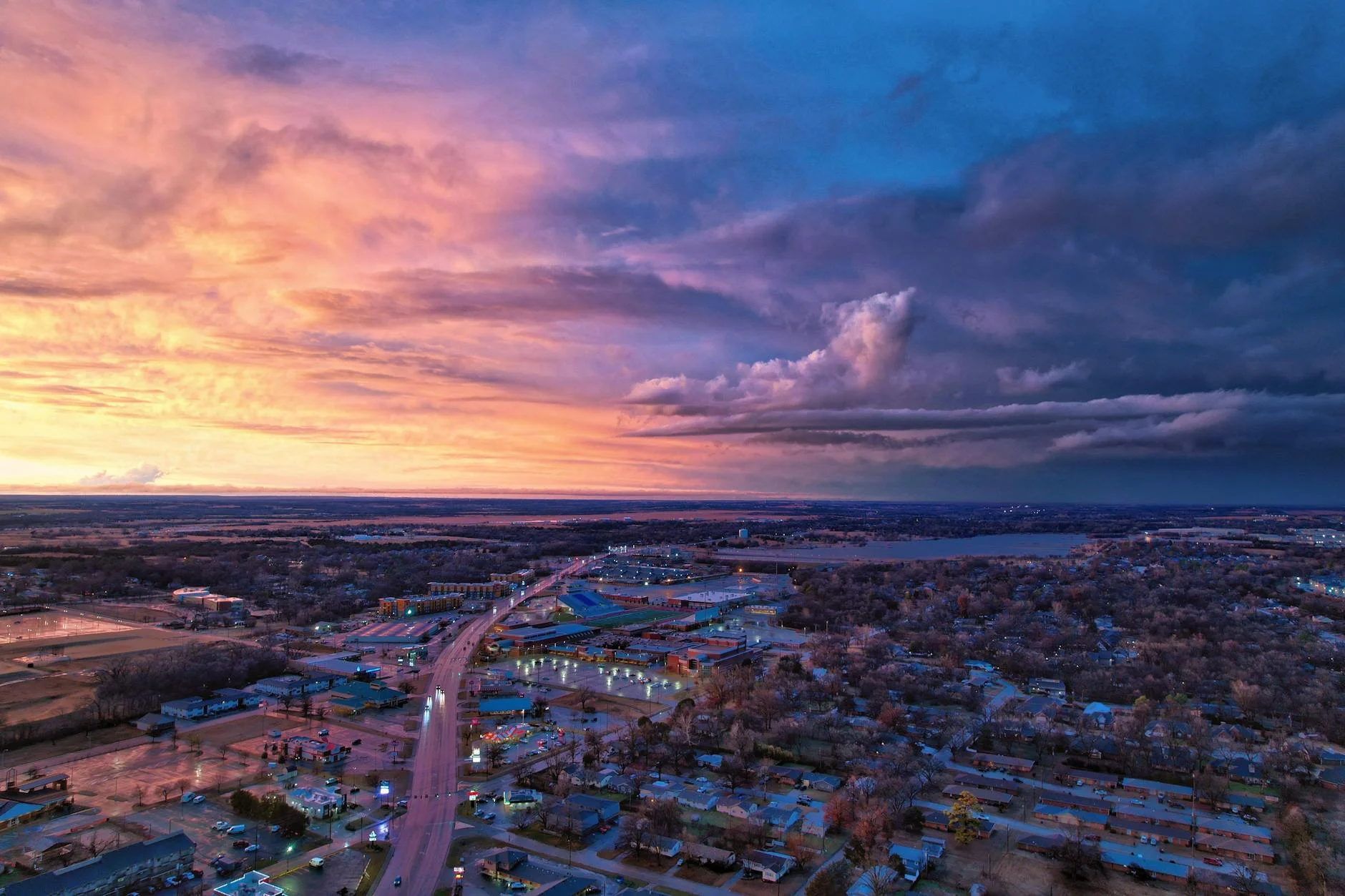
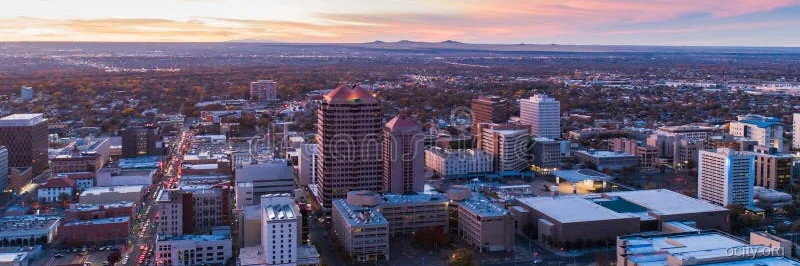
Visualizing the tradeoffs between Stillwater and Albuquerque
Line-by-line data comparison.
| Category / Metric | Stillwater | Albuquerque |
|---|---|---|
| Financial Overview | ||
| Median Income | $42,015 | $67,907 |
| Unemployment Rate | 3.5% | 4.2% |
| Housing Market | ||
| Median Home Price | $295,000 | $300,100 |
| Price per SqFt | $175 | $null |
| Monthly Rent (1BR) | $743 | $1,005 |
| Housing Cost Index | 100.6 | 88.8 |
| Cost of Living | ||
| Groceries Index | 85.8 | 95.4 |
| Gas Price (Gallon) | $3.40 | $3.40 |
| Safety & Lifestyle | ||
| Violent Crime (per 100k) | 458.6 | 1189.0 |
| Bachelor's Degree+ | 51.9% | 39.6% |
| Air Quality (AQI) | 34 | 26 |
AI-generated analysis based on current data.
Here is the ultimate head-to-head showdown between Albuquerque and Stillwater.
So, you’re standing at a crossroads. On one side, you have Albuquerque—the high-desert metropolis of New Mexico, a city of 560,000 people, neon sunsets, and Breaking Bad lore. On the other, Stillwater—a cozy Oklahoma college town of 48,000, home to Oklahoma State University (Go Pokes!), and that distinct, slower-paced Midwestern charm.
You can’t just look at a map and pick. You need the real dirt. As your Relocation Expert, I’ve crunched the numbers and lived the lifestyles to help you decide where to plant your roots. Let’s get into it.
Albuquerque is a city of contrasts. It’s where ancient Pueblo culture meets the Space Age, where tech startups mingle with traditional adobe architecture. The vibe is laid-back but distinctively Southwestern. It’s gritty, artistic, and sprawling. You’re trading the humidity of the East Coast for the dry, thin air at 5,312 feet above sea level. It’s a place for those who want city amenities—diverse food, museums, international airport access—without the crushing pace of L.A. or Chicago.
Stillwater is the definition of a college town. The energy is dictated by the academic calendar; when school is in session, the population swells and the town buzzes. When summer hits, it quiets down to a sleepy, community-focused pace. It’s friendly, affordable, and deeply rooted in football Saturdays and local pride. It’s a place for those who want a tight-knit community feel, where you know your neighbors and the cost of living doesn’t keep you up at night.
Let’s talk money. The "sticker shock" of moving is real, but it’s all about purchasing power. This is where the math gets interesting.
First, the raw data. We’re comparing the basics: Rent, Utilities, and Groceries. (Note: "Housing Index" is a score where 100 is the national average. Below 100 is cheaper; above 100 is more expensive.)
| Category | Albuquerque | Stillwater |
|---|---|---|
| Median Income | $67,907 | $42,015 |
| Median Home Price | $300,100 | $295,000 |
| Rent (1BR) | $1,005 | $743 |
| Housing Index | 88.8 (Cheaper than avg) | 100.6 (Slightly above avg) |
| Violent Crime /100k | 1,189.0 | 458.6 |
| Avg Temp (Jan) | 39.0°F | 48.0°F |
Here’s the immediate takeaway: Albuquerque pays significantly more. The median income is over $25,000 higher than in Stillwater. That’s a massive gap. If you’re moving for a job, Albuquerque likely has more corporate and tech opportunities, while Stillwater’s economy is heavily anchored by the university and local services.
But does that higher salary mean more wealth? Let’s do the math.
Imagine you earn the median income in each city:
While Stillwater has a lower absolute cost, the gap in disposable income is huge. Albuquerque offers more financial breathing room. However, if you bring an Albuquerque-level salary ($67k+) to Stillwater, you’ll live like royalty. Your purchasing power would be through the roof.
Taxes: New Mexico has a progressive income tax (top rate 5.9%). Oklahoma also has a progressive tax, but its top rate is lower (4.75%). This is a minor factor compared to the income disparity, but it does slightly favor Stillwater.
The Verdict on Dollars: If you’re earning a local salary, Albuquerque wins on purchasing power. The higher income more than offsets the slightly higher rent. If you have remote work and can bring in $80k+, Stillwater becomes an incredible value proposition, offering a lifestyle that feels wealthy.
The numbers are deceptively close. Albuquerque’s median home price is $300,100, and Stillwater’s is $295,000. The difference is negligible—less than $5,000. However, the context matters.
The rental difference is stark. Stillwater is 26% cheaper for a 1-bedroom apartment ($743 vs. $1,005). This is the biggest financial advantage Stillwater has. For young professionals or students, this is a game-changer. In Albuquerque, rent eats a larger chunk of your income, forcing you to either spend more or live with roommates longer.
Availability: Albuquerque has more inventory, period. As a major city, it has a constant churn of rentals and sales. Stillwater’s market is heavily influenced by the university—lots of student housing, but less for professionals.
This is the toughest category and requires honesty.
Safety is a personal threshold. If low crime is your #1 priority, Stillwater has a clear statistical advantage.
After breaking down the data and the lifestyle, here’s the final showdown.
Why? Despite the higher crime statistics, Albuquerque offers more educational diversity (charter schools, APS), more extracurricular activities, and more job stability for parents. The median income allows for a better financial cushion to afford a home in a safer neighborhood. The outdoor access to the Sandia Mountains and Petroglyph National Monument is unbeatable for family adventures.
Why? The income potential is the deciding factor. A single professional can build a career and save money in Albuquerque in a way that’s nearly impossible in Stillwater’s limited job market. The nightlife, food scene, and airport access (for travel) are far superior. You can have a social life and a career path.
Why? This is a close call, but Stillwater edges it out for a specific retiree profile. If you have a moderate retirement income, your dollars stretch further in Stillwater. The lower violent crime rate is a major comfort. The pace is slower, the community is tighter, and the weather is milder (though humid). Albuquerque is fantastic for active retirees who love hiking and culture, but Stillwater wins on safety and pure cost of living for fixed incomes.
PROS:
CONS:
PROS:
CONS:
The Bottom Line: Choose Albuquerque if you’re chasing career growth, higher pay, and a unique, sunny lifestyle, and you’re willing to navigate its challenges. Choose Stillwater if you prioritize safety, community, and extreme affordability, and you’re okay with a quieter, smaller-town life.