
📊 Lifestyle Match
Visualizing the tradeoffs between West Fargo and Albuquerque
Detailed breakdown of cost of living, income potential, and lifestyle metrics.
Visualizing the tradeoffs between West Fargo and Albuquerque
Line-by-line data comparison.
| Category / Metric | West Fargo | Albuquerque |
|---|---|---|
| Financial Overview | ||
| Median Income | $96,877 | $67,907 |
| Unemployment Rate | 2.6% | 4.2% |
| Housing Market | ||
| Median Home Price | $302,200 | $300,100 |
| Price per SqFt | $null | $null |
| Monthly Rent (1BR) | $804 | $1,005 |
| Housing Cost Index | 73.4 | 88.8 |
| Cost of Living | ||
| Groceries Index | 95.9 | 95.4 |
| Gas Price (Gallon) | $3.40 | $3.40 |
| Safety & Lifestyle | ||
| Violent Crime (per 100k) | 315.5 | 1189.0 |
| Bachelor's Degree+ | 45.2% | 39.6% |
| Air Quality (AQI) | 26 | 26 |
AI-generated analysis based on current data.
Which City Is Your Perfect Fit?
Alright, let's cut to the chase. You're stuck between two wildly different American cities: Albuquerque, the high-desert jewel of New Mexico with its stunning Sandia Mountains and vibrant chile culture, and West Fargo, the booming, family-friendly suburb of Fargo, North Dakota, where the prairie meets the plains. One is a sun-drenched, historic city with a gritty artistic soul; the other is a clean, safe, and rapidly growing Midwestern hub with a killer job market.
Forget the brochures and the tourism ads. We're going deep with the data, the vibe, and the real-world trade-offs to help you decide. Grab a coffee (or a green chile stew), and let's break it down.
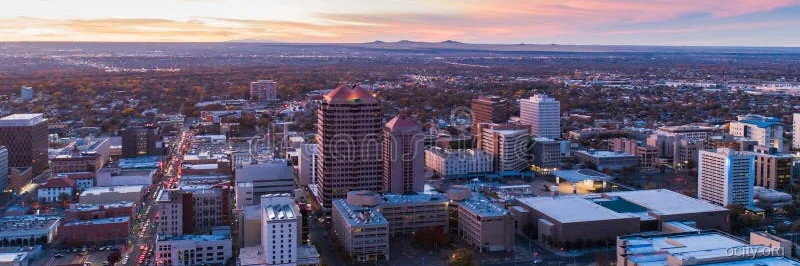
Albuquerque is for the adventurer, the artist, and the foodie. Life here moves at a slightly slower, more deliberate pace. The culture is a rich tapestry of Native American, Hispanic, and Anglo influences. You'll spend weekends hiking in the foothills, exploring centuries-old adobe architecture, and debating the best red vs. green chile. The city has a distinct, almost cinematic quality—think wide-open skies, dramatic sunsets, and a touch of rugged individualism. It's not a sleek, polished metro; it's authentic, a little gritty, and full of character. This is a city for those who value unique experiences over cookie-cutter convenience.
West Fargo, on the other hand, is the epitome of the modern, practical Midwest. It’s a city built for families and professionals who prioritize safety, community, and growth. The vibe is clean, orderly, and forward-looking. You’re not here for ancient history or mountain vistas; you're here for excellent schools, low crime, and a booming local economy fueled by agriculture, tech, and logistics. It’s a city that feels new—think sprawling, well-kept subdivisions, pristine parks, and a palpable sense of optimism. This is a city for those who want a stable, predictable, and highly livable environment.
Who It’s For:
This is where the story gets interesting. At first glance, the home prices look nearly identical ($300k vs. $302k), but the devil is in the details—especially when it comes to income and overall expenses.
Let's put the numbers side-by-side.
| Category | Albuquerque | West Fargo | Winner |
|---|---|---|---|
| Median Home Price | $300,100 | $302,200 | Tie |
| Median Household Income | $67,907 | $96,877 | West Fargo |
| Rent (1BR) | $1,005 | $804 | West Fargo |
| Housing Index | 88.8 | 73.4 | West Fargo |
| State Income Tax | 1.7% - 5.9% (Graduated) | 0% - 2.5% (Graduated) | West Fargo |
Salary Wars & Purchasing Power
Here’s the kicker: West Fargo residents earn nearly 43% more than Albuquerque residents on median. If you earn $100,000 in West Fargo, you're sitting well above the local median, giving you significant buying power. If you earn $100,000 in Albuquerque, you're in the top tier of earners.
Let's talk purchasing power. The Housing Index is a massive tell. West Fargo's index of 73.4 means housing is 26.6% below the national average. Albuquerque's index of 88.8 is still affordable but is 11.2% above West Fargo's baseline. So, while the sticker price for a home is similar, West Fargo's higher income and lower overall housing costs make your dollar stretch much further. You could afford a nicer home, more discretionary spending, or a faster path to savings in West Fargo.
Insight on Taxes: New Mexico has a progressive income tax, with rates reaching nearly 6% for high earners. North Dakota's top rate is 2.5%, and it doesn't tax Social Security benefits. This tax advantage further boosts your take-home pay in West Fargo.
Verdict: For pure financial muscle and purchasing power, West Fargo is the undisputed champion. It's a true "bang for your buck" environment.
Albuquerque:
West Fargo:
Verdict: Both cities offer solid housing value, but West Fargo edges out with more favorable rent prices and a housing market that's primed for growth without the extreme competition of coastal cities.
Traffic & Commute:
Weather:
Crime & Safety:
This is the most significant differentiator and a major factor in quality of life.
Verdict: For safety and predictable weather, West Fargo is the clear winner. For sunshine and outdoor activity, Albuquerque takes the prize, but only if you can navigate the safety concerns.
After crunching the data and weighing the lifestyles, here’s the final breakdown.
Why: The trifecta of safety (low crime), excellent schools, and high median income makes West Fargo a no-brainer for families. The cost of living is low, the community is tight-knit, and the environment is secure. The weather is a tough pill to swallow, but for a stable, family-centric life, it's hard to beat.
Why: The $96,877 median income is a powerful draw. Your salary will go further in a safe, growing city with a low cost of living. The job market is robust, and while the social scene is quieter than a big city, the proximity to Fargo (a larger metro) offers more options. For career-focused individuals who value financial growth and safety, West Fargo wins.
Why: This is a closer call, but Albuquerque's climate is the deciding factor. For retirees fleeing harsh winters, the 300+ days of sunshine and mild winters are a dream. The cost of living is still reasonable, and the slower pace of life is appealing. While crime is a concern, many retirees choose active adult communities in safer perimeter neighborhoods. West Fargo's brutal winters are a significant health risk for older adults.
Pros:
Cons:
Pros:
Cons:
The Bottom Line: Choose West Fargo if your priorities are safety, financial growth, and family stability. Choose Albuquerque if your priorities are climate, culture, and outdoor adventure, and you're willing to accept the trade-offs in safety and economic dynamism. It's a choice between a secure, prosperous future on the plains versus a sun-drenched, culturally rich life in the desert.