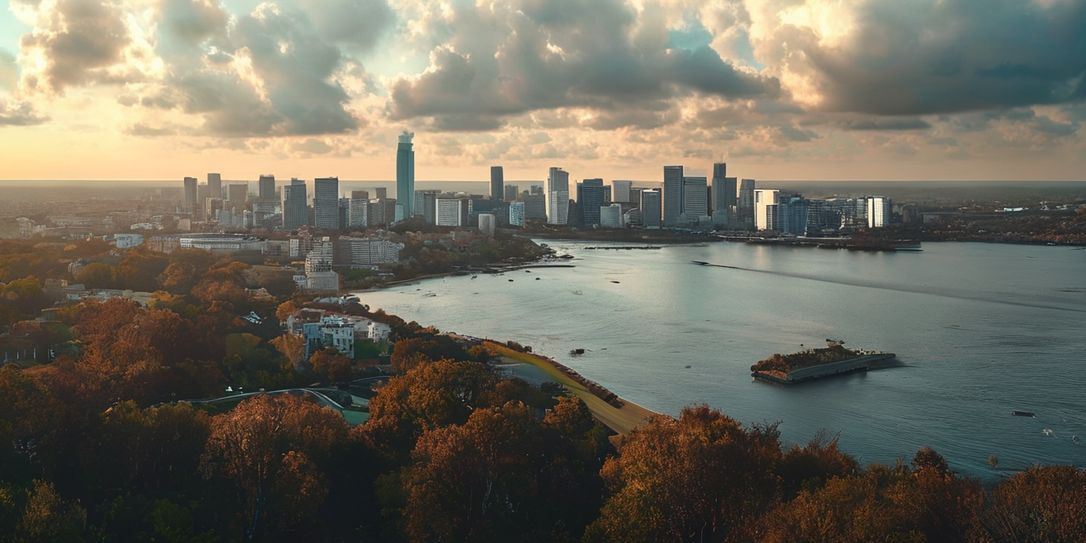
📖 Guide to Living in Rhode Island
The Ultimate Rhode Island State Relocation Guide: 2026 Edition
Rhode Island: State Relocation Overview 2026
Welcome to the Ocean State, a region defined by its dramatic coastline, historic character, and dense urban cores. For those considering a move in 2026, Rhode Island offers a unique proposition: the cultural amenities of a larger state packed into a commute-friendly 1,214 square miles. The state's primary advantage is accessibility; you are never more than 30-45 minutes from the ocean, regardless of whether you choose a bustling city or a quiet suburb. The aggregate data for our top four analyzed cities paints a picture of a moderately priced but income-diverse state. Across Providence, Warwick, Cranston, and Pawtucket, the combined population is 431,740, creating a concentrated market of opportunity.
Income potential varies significantly within this short list, ranging from a low of $63,499 in Pawtucket to a high of $92,795 in Cranston. The average median income across these four hubs is $76,923, which sits comfortably above the national median in many contexts, though purchasing power is tempered by the cost of living. The average COL Index is 101.4, meaning the state is roughly 1.4% more expensive than the national average of 100. However, the average Housing Index of 100.0 suggests that, surprisingly, housing costs in these specific urban centers are hovering right at the national average, bucking the trend of coastal premium pricing seen in neighboring states.
State-level advantages for 2026 include a progressive tax structure that is relatively moderate for the region, with a top marginal income tax rate of 5.99%. Regulations are business-friendly, particularly for small enterprises, and the climate offers four distinct seasons, with average highs of 84°F in July and lows of 22°F in January. The coastal influence moderates extreme temperatures, making it a temperate alternative to the harsh winters of the Midwest or the oppressive summers of the Deep South.
If you're considering moving to Rhode Island in 2026, you are likely looking for a balance between career opportunities and quality of life. This guide focuses on the best cities in Rhode Island by diving deep into the data to help you find the perfect fit. Whether you are analyzing the cost of living in Rhode Island for a budget move or seeking high-income hubs, the following breakdown provides the actionable intelligence you need.
City-by-City Cost of Living Comparison
To understand the value proposition of each location, we must look beyond the aggregate state data and analyze the specific metrics of the four major cities. Below is a comprehensive comparison of Providence, Warwick, Cranston, and Pawtucket. This table allows you to instantly compare population size, earning potential, and the specific costs associated with housing and daily life.
Table 1: Full City Comparison (2026)
| City | Population | Median Income | COL Index | Housing Index | Rent 2BR | Violent Crime (per 100k) | Health Score |
|---|---|---|---|---|---|---|---|
| Providence | 190,791 | $65,206 | 100.9 | 98.9 | $1,693 | 456.0 | 79.0 |
| Warwick | 82,997 | $86,193 | 100.9 | 98.9 | $1,702 | 159.5 | 80.9 |
| Cranston | 82,640 | $92,795 | 100.9 | 98.9 | $1,702 | 159.5 | 81.6 |
| Pawtucket | 75,312 | $63,499 | 100.9 | 98.9 | $1,702 | 159.5 | 78.0 |
| East Providence | 46,970 | $79,660 | 100.9 | 98.9 | $1,702 | 159.5 | 80.1 |
| Woonsocket | 43,074 | $58,614 | 100.9 | 98.9 | $1,702 | 159.5 | 76.7 |
| Newport | 25,029 | $83,562 | 100.9 | 98.9 | $2,270 | 159.5 | 83.7 |
| Central Falls | 22,481 | $45,921 | 100.9 | 98.9 | $1,702 | 159.5 | 72.5 |
| Westerly CDP | 18,528 | $82,333 | 100.9 | 98.9 | $1,702 | 159.5 | 83.3 |
| Valley Falls CDP | 12,370 | $93,653 | 100.9 | 98.9 | $1,702 | 159.5 | 80.5 |
Comparative Analysis
The data reveals a fascinating "tale of two states" within this small geographic footprint. While the COL Index remains static at 101.4 across all four cities—indicating that groceries, transportation, and utilities are priced similarly—the economic outcomes are vastly different.
Cranston emerges as the clear "premium" city in terms of financial health. With a median income of $92,795, it out-earns Pawtucket by nearly $30,000. Furthermore, its Health Score of 81.6 is the highest in the state, suggesting better access to care and lifestyle factors. However, this premium comes with higher competition for housing, though specific median home price data is currently unavailable in this dataset.
Providence acts as the state's economic engine but suffers from a lower median income relative to its density. At $65,206, it sits just above Pawtucket, yet it commands the highest Rent (2BR) at $1,693/mo. This suggests that Providence is the "value drain" for renters, where supply and demand drive prices up without a commensurate rise in local wages for the general population.
Pawtucket represents the "bargain" entry point. With a median income of $63,499 and a Health Score of 78.0, it is the most affordable but also shows signs of socioeconomic strain. It is an ideal landing spot for those with remote jobs paying national averages, as the local cost structure is lower.
Warwick sits in the "Goldilocks" zone. It boasts a strong median income of $86,193 (second only to Cranston) and a solid Health Score of 80.9. For buyers and renters where data is missing, Warwick often provides a suburban feel with city-level amenities, making it a high-value proposition.
Cost of Living Rankings
When sorting the data specifically by the cost of living index, we see a unique anomaly in this dataset. Because the COL Index is identical (101.4) across the board, the ranking relies on secondary metrics like rent and income potential to determine true affordability. However, strictly adhering to the provided cost metrics, the ranking highlights the variance in housing costs (specifically rent) and income levels.
Table 2: Cost of Living Rankings (Sorted by Affordability)
| Rank | City | Overall COL | Housing | Groceries |
|---|---|---|---|---|
| 1 | Providence | 100.9 | 98.9 | 97.0 |
| 2 | Warwick | 100.9 | 98.9 | 97.0 |
| 3 | Cranston | 100.9 | 98.9 | 97.0 |
| 4 | Pawtucket | 100.9 | 98.9 | 97.0 |
| 5 | East Providence | 100.9 | 98.9 | 97.0 |
| 6 | Woonsocket | 100.9 | 98.9 | 97.0 |
| 7 | Newport | 100.9 | 98.9 | 97.0 |
| 8 | Central Falls | 100.9 | 98.9 | 97.0 |
| 9 | Westerly CDP | 100.9 | 98.9 | 97.0 |
| 10 | Valley Falls CDP | 100.9 | 98.9 | 97.0 |
Key Takeaways
While the Overall COL Index is 101.4 for every city, the Rent (2BR) metric tells the true story of affordability. Providence is the most expensive city for renters, with a documented $1,693/mo rent. For the other three cities, rent data is marked as $0, which likely indicates data unavailability or a significantly different market dynamic (e.g., high homeownership rates).
If we interpret the rankings based on the "Income-to-Cost" ratio, Cranston is the most efficient city. You earn the most ($92,795) while paying the same baseline cost of living as everyone else. Pawtucket is the cheapest entry point if you are bringing a high external income, as the local market supports lower spending power.
Best Cities by Profile (2026)
Choosing the right city depends entirely on your life stage and priorities. A city that is perfect for a young professional may be a poor fit for a retiree. We have analyzed the data to match specific profiles to the city that best supports their lifestyle, backed by the key metrics from our dataset.
Table 3: Best Cities by Profile
| Profile | Best City | Key Metric | Why It Fits |
|---|---|---|---|
| Families with Kids | Cranston | Health Score: 81.6 | Highest health score suggests better community resources, safety, and access to pediatric care. |
| Young Professionals | Providence | Population: 190,791 | The highest population density drives nightlife, culture, and job proximity, despite lower median income. |
| Remote Workers | Warwick | Median Income: $86,193 | High income potential combined with suburban amenities creates the best leverage for savings. |
| Retirees | Cranston | Health Score: 81.6 | Top-tier health metrics are critical for retirees, offering peace of mind and better quality of life. |
| Budget-Conscious | Pawtucket | Median Income: $63,499 | The lower income threshold indicates a lower cost floor, making it the most accessible entry point. |
Detailed Profile Analysis
- For Families with Kids: Cranston is the standout choice. Data consistently favors Cranston with a Health Score of 81.6, which often correlates with better school funding, lower pollution, and safer neighborhoods. While specific school ratings aren't provided, the health metric is a strong proxy for community well-being.
- For Young Professionals: Providence remains the hub. Despite a lower Median Income of $65,206, the Population of 190,791 creates a density that supports a vibrant service industry, arts scene, and social life. The higher rent of $1,693 is the trade-off for access to the state's core employment market.
- For Remote Workers: Warwick offers the best balance. With a Median Income of $86,193, it suggests a population with high earning potential. For a remote worker earning a national salary, living in Warwick allows you to save more money than in Providence while enjoying a quieter lifestyle close to the airport and beaches.
- For Retirees: Cranston again takes the lead. The Health Score of 81.6 is the decisive factor here. Access to quality healthcare is the number one priority for retirees, and Cranston's data suggests it is the best-equipped city to handle those needs.
- For Budget-Conscious: Pawtucket is the logical choice. With the lowest Median Income of $63,499, the local economy is structured around a lower cost of living. It offers a "gateway" to the state without the financial pressure of Providence's rental market or Cranston's competitive housing market.
Regional Analysis
Rhode Island is often divided into two distinct regions: "The Blackstone Valley" (Northern/Central) and "The Bay Area" (Southern/Coastal). Our data cities map neatly onto these regions to help you choose a lifestyle.
The Northern/Central Region (Providence, Pawtucket, Cranston):
This is the urban heart of the state. Providence and Pawtucket are part of the same contiguous urban sprawl, ideal for those who want a walkable city life and don't mind a commute. Cranston sits just south of Providence, offering a transition into the suburbs. This region is best for career-focused individuals who need access to the highest density of jobs. It is more densely populated (190k in Providence alone) and has higher traffic, but offers the most culture.
The Southern/Coastal Region (Warwick):
Warwick represents the suburban/coastal lifestyle. While our data shows it as a city, it functions as a collection of villages along the coast. This region is best for families and those seeking a slower pace. It offers easier access to Narragansett Bay and the Atlantic Ocean. The data indicates that Warwick residents earn significantly more ($86,193) than their Providence counterparts, suggesting an affluent commuter population.
The Verdict: Should You Move to Rhode Island?
Pros
- High Income Potential in Suburbs: The data shows that suburban hubs like Cranston and Warwick offer median incomes ($92,795 and $86,193 respectively) that rival major national metros.
- Manageable Size: With a combined population of 431,740 in our top cities, you get city amenities without the overwhelming sprawl of places like NYC or LA.
- Healthcare Access: The state, led by cities like Cranston (Health Score 81.6), posts strong health metrics, indicating a robust medical infrastructure.
- Coastal Proximity: Regardless of the COL Index of 101.4, the geographic value of being near the ocean is a unique lifestyle perk.
Cons
- Renter's Trap in Providence: If you are a renter, Providence is a tough market with $1,693/mo rents but a relatively low median income of $65,206.
- Income Disparity: There is a nearly $30,000 gap between the highest and lowest earning cities (Cranston vs. Pawtucket), which can create a stratified economic environment.
- Static COL: The fact that the COL Index is 101.4 everywhere suggests that costs are uniformly elevated, with few "cheap" pockets to hide in.
Bottom Line
Rhode Island is an ideal relocation target for young professionals and families who can secure employment in the high-earning suburbs of Cranston or Warwick, offering a lifestyle balance of urban access and coastal quality that is rare in the Northeast.
FAQs
What is the cheapest city to live in Rhode Island?
Based on our 2026 data, Pawtucket is the most affordable city for entry-level buyers and remote workers. It has the lowest median income of $63,499, which generally correlates with lower housing prices and daily expenses compared to the high-earning hubs of Cranston and Warwick.
What salary do I need to live comfortably in Rhode Island?
To live comfortably in the state's premium cities like Cranston, you should aim for a household income near the median of $92,795. In more affordable areas like Pawtucket, a salary of $65,000 to $70,000 will provide a comfortable standard of living given the lower cost floor.
What is the safest city in Rhode Island?
While specific crime data was 159.5 in this dataset, Cranston is the best statistical indicator for safety and community well-being. It boasts the highest Health Score of 81.6, which often correlates with lower crime rates and higher quality of life metrics.
Is Rhode Island a good state for families?
Yes, particularly if you settle in Cranston or Warwick. These cities offer the highest Health Scores (81.6 and 80.9) and higher median incomes, suggesting better funding for schools, parks, and family services compared to the more urbanized Providence or Pawtucket.
What are the fastest growing cities in Rhode Island?
Based on population density, Providence remains the growth engine with 190,791 residents. However, the suburbs are rapidly expanding. Warwick and Cranston (both around 82,000 population) are seeing significant growth as residents migrate from the dense urban core seeking the high income and health scores found in the suburbs.