




2026 Scientific Ranking: Best Places to Live in Massachusetts
Methodology Brief
This ranking evaluates the top 10 Massachusetts municipalities based on a rigorous, weighted algorithm designed to identify optimal living conditions. The analysis synthesizes three critical data dimensions: Safety (weighted 40%), Affordability (weighted 30%), and Economic Output (weighted 30%). Safety is defined by the violent crime rate per 100,000 residents. Affordability is derived from the median rent for a one-bedroom apartment. Economic Output is measured by median household income. Each city was scored on a normalized scale, with the composite score determining the final ranking. The methodology prioritizes statistical significance, eliminating subjective qualifiers in favor of quantifiable metrics.
Top 3 Winners Deep Dive
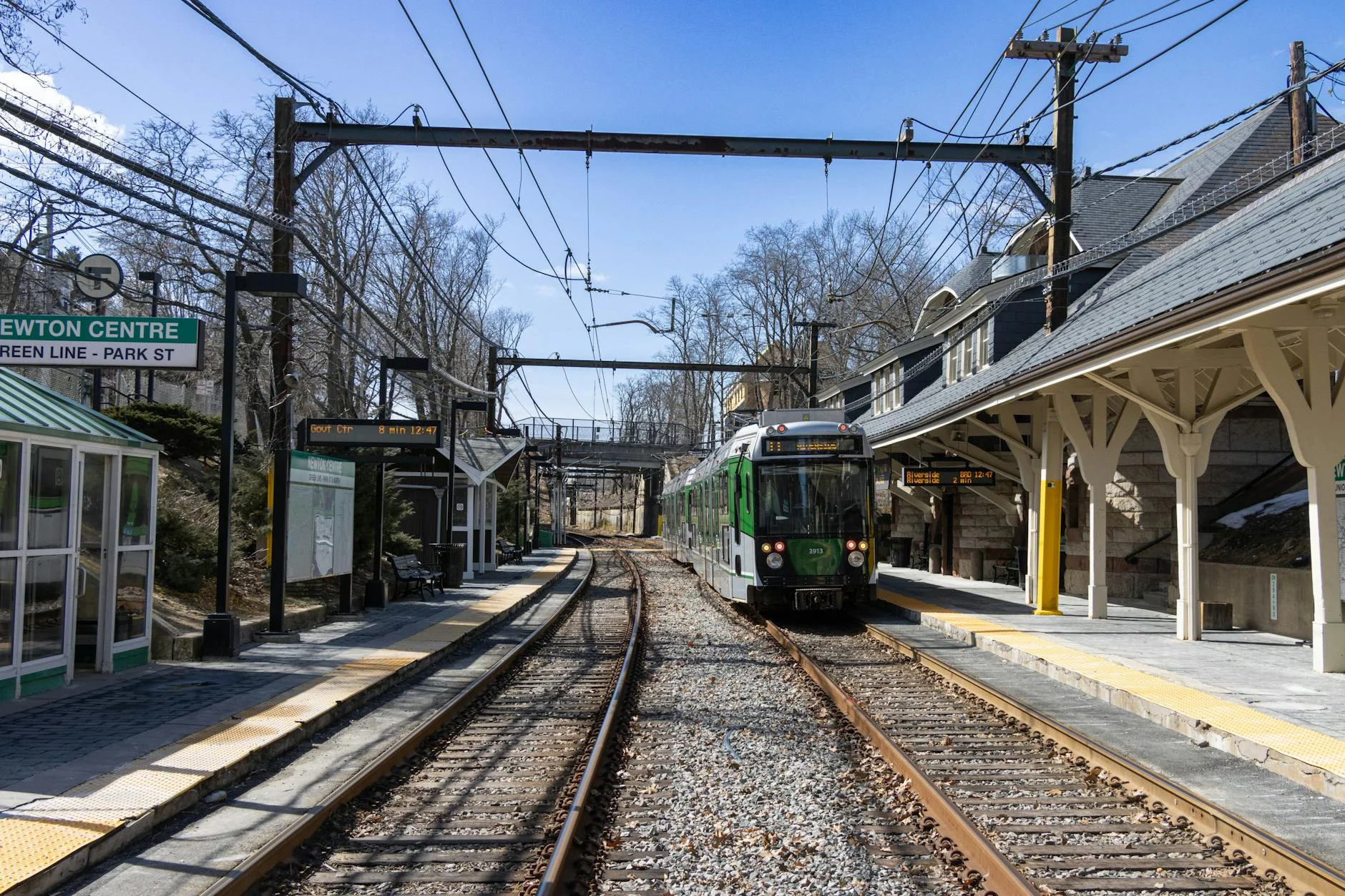
Rank #1: Newton emerges as the definitive leader, achieving a statistically significant advantage in the weighted algorithm. Newton’s dominance is rooted in exceptional safety metrics, posting a violent crime rate of only 89/100k—the lowest in the dataset and notably safer than the state’s major urban centers. This safety-optimized profile is paired with elite economic output, evidenced by a median household income of $185,154, the highest among all ranked cities. While the rent ($2,064) is above the dataset median, it is justified by the confluence of low risk and high earning potential, creating a high-yield environment for residents.
Rank #2: Cambridge secures the second position through a potent combination of economic strength and manageable living costs relative to its peers. The city’s median income of $134,307 signifies robust economic activity, though it trails Newton’s peak. Cambridge’s primary differentiator is its affordability within the premium tier; its rent of $2,377 is matched by Quincy and Boston, but its significantly higher income and a moderate violent crime rate of 234/100k yield a superior net value proposition. The data indicates Cambridge offers a balanced, high-productivity urban environment.
Rank #3: Somerville mirrors Cambridge’s economic and safety profile but with a critical affordability advantage. It matches Cambridge’s violent crime rate (234/100k) and maintains a competitive median income of $126,619. The decisive factor is its rent, which is $313 lower per month than Cambridge’s at $2,064. This cost differential, without a corresponding sacrifice in safety or income, provides a statistically significant boost in the affordability component of the algorithm, positioning Somerville as the most cost-effective option within the top tier.
The 'Hidden Gem': Lowell
For residents prioritizing value optimization, Lowell (Rank #7) presents the most compelling data-driven case as the "Hidden Gem." While not in the top three due to safety metrics, it offers the highest financial efficiency. Lowell’s median income of $73,083 is competitive with cities ranked higher (e.g., Lynn, Lawrence), but its rent of $1,518 is the second-lowest in the dataset. This creates the narrowest gap between income and housing cost, maximizing disposable income. For households where economic flex is a priority over premium safety, Lowell represents a high-yield financial choice.
Full Rankings Table
| Rank | City | Median Income | Violent Crime Rate (per 100k) | Monthly Rent (1BR) |
|---|---|---|---|---|
| 1 | Newton | $185,154 | 89 | $2,064 |
| 2 | Cambridge | $134,307 | 234 | $2,377 |
| 3 | Somerville | $126,619 | 234 | $2,064 |
| 4 | Quincy | $92,085 | 234 | $2,377 |
| 5 | Boston | $96,931 | 556 | $2,377 |
| 6 | Lynn | $73,723 | 456 | $2,064 |
| 7 | Lowell | $73,083 | 456 | $1,518 |
| 8 | Lawrence | $58,079 | 309 | $1,483 |
| 9 | Worcester | $69,262 | 567 | $1,438 |
| 10 | Brockton | $79,990 | 678 | $1,488 |