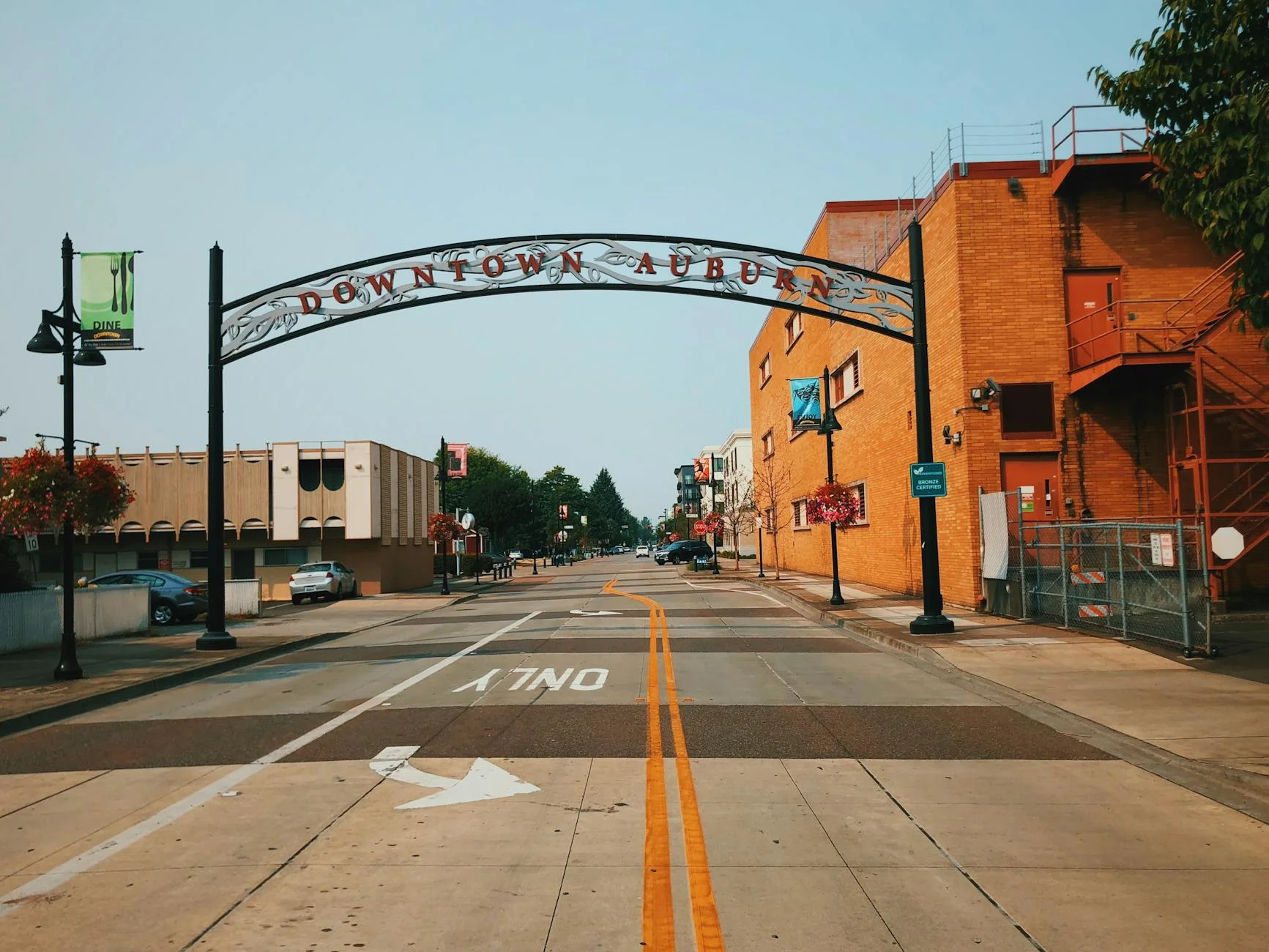
Neighborhood research guide

Where to Live in
Auburn

From central districts to quieter residential areas, use this guide to build a Auburn shortlist, then verify the exact address and current conditions.

Auburn Fast Facts

City home-price reference
$635k
City 1BR rent reference
$1,864
City violent-crime reference
372.1/100k
Population
84,887

Address-level verification workflow

Research a Auburn, WA neighborhood without guessing

The editorial guide below can help build a shortlist, but rents, home values, safety, schools and travel times can differ by block and change quickly. Complete these checks before signing or buying.

Verify the exact home

Check the current listing, lease terms, deposits, utilities, insurance and recurring fees. A citywide median is not a property quote.

Check official local safety data

Use the local police or open-data portal for the exact address and relevant time period. Citywide rates cannot prove block-level risk.

Confirm school boundaries

District and attendance boundaries can change. Verify the exact address with the district before relying on a school assignment.

Test the real commute

Travel the route at the hours you would use it and include parking, transfers, tolls and weather—not only an off-peak estimate.

Model the complete monthly cost

Combine housing, transportation, taxes, insurance, childcare and debt. Neighborhood fit depends on the household, not a universal winner.

Visit before deciding

Walk the area during daytime and evening, check noise and services, and speak with qualified local professionals where appropriate.

Top Neighborhoods

Editorial scope. The guide preserves local observations and directional ranges for comparison. Prices, commute conditions, walkability, school context and reported incidents can change or vary by block, route and date. Treat the figures as an editorial snapshot—not a live quote or guarantee—and verify the exact address with current primary sources.

Here is the 2026 Neighborhood Shortlist for Auburn, WA.


2026 AUBURN NEIGHBORHOOD SHORTLIST

Neighborhood Vibe Price Score (1=High, 5=Low) Best For
West Hill Old Money 1 Established Families
Downtown Core Gentrifying Chaos 3 Young Professionals
Lea Hill Suburban Sprawl 4 First-Time Buyers
SuperMall District Transient Hustle 2 Warehouse Workers

The 2026 Vibe Check

Auburn is currently a city holding its breath. You have the old guard, the ranch-style families on West Hill, looking down their noses at the rapid densification happening around Main Street and the SuperMall. The "gentrification line" is literally Auburn Way South; cross it past 22nd St NE and the sidewalks disappear, but the property values start climbing because you're edging toward Federal Way and the highway access.

The new hot spot is the Riverbend area near the White River. It’s a weird mix of legacy dive bars and new, high-density apartment blocks aimed at SoundTransit commuters who got priced out of Seattle and Tacoma. The biggest shift is the commercial creep of The Outlet Collection. It’s no longer just a mall; it’s becoming the de facto town square for the working class, swallowing up the retail space from SuperMall Dr to Auburn Mall Dr. If you’re looking for peace and quiet, you’re already looking at Lea Hill or Algona, because the valley floor is getting loud.


The Shortlist

West Hill

  • The Vibe: Old Money
  • Rent Check: Significantly above city average (+25%).
  • The Good: This is the only spot in Auburn with genuine topography. The lots are massive, backing up to Lakeland Hills and the golf courses. You’re paying for the Auburn School District's crown jewel, Auburn High School, and the distance from the valley floor fog and noise. It feels like a separate, wealthier city.
  • The Bad: You are driving everywhere. There is zero walkability here. The HOAs in Lakeland Hills are aggressive about your lawn height and mailbox color. If you want a craft beer on a Tuesday, you’re driving down the hill to Pint Defy.
  • Best For: Families who prioritize school ratings and square footage over nightlife.
  • Insider Tip: Drive C Street SE near the golf course to see the split-level estates that define the area.

Downtown Core

  • The Vibe: Gentrifying Chaos
  • Rent Check: At city average.
  • The Good: This is the only walkable zone. If you live near Main Street, you can hit Dark Dept Coffee or Pint Defy without moving your car. The Auburn Station (Sounder/Link) is right there, making the Seattle commute actually bearable. Historic charm is trying to break through the grime.
  • The Bad: The homelessness crisis is visible here, specifically around the Transit Center and Auburn Avenue. Street parking is a nightmare on weekends because the dive bars pack out. The noise from the train horns is constant.
  • Best For: Young professionals who commute to the city and want a social life within walking distance.
  • Insider Tip: Check out the pocket of renovated bungalows on H Street SE, specifically between 2nd and 3rd.

Lea Hill

  • The Vibe: Suburban Sprawl
  • Rent Check: Below city average.
  • The Good: This is the "safe" option for buyers who want a newer build without the West Hill price tag. You get the Auburn Medical Center proximity and quick access to Highway 18 if you need to get to Issaquah or Maple Valley. It’s quiet, predictable, and full of cul-de-sacs.
  • The Bad: It is aesthetically boring. It’s tract housing on top of tract housing. Traffic on Southeast 320th Street during rush hour is gridlock trying to get to the highway. There is no "town" feel here; you are 100% dependent on your car.
  • Best For: First-time homebuyers who want a 3-bedroom with a garage and don't care about architectural character.
  • Insider Tip: Look for streets ending in "Way" off of Boulevard SE; those are the slightly older, better-built pockets.

SuperMall District

  • The Vibe: Transient Hustle
  • Rent Check: Low (High concentration of apartments).
  • The Good: Unbeatable convenience for the working class. You have Fred Meyer, Home Depot, and the SuperMall all within a 2-mile radius. If you work at the warehouses in Kent or the casino, your commute is sub-10 minutes. Rent is relatively cheap because of the high density.
  • The Bad: It’s a concrete jungle. The traffic on Auburn Way North is aggressive and constant. You have the hotel corridor which brings a lot of short-term noise and transient activity. No green space to speak of.
  • Best For: Warehouse workers, service industry staff, and anyone who wants to minimize their commute and maximize utility access.
  • Insider Tip: The apartments backing up to Les Gove Park are slightly quieter and get you access to the best park facilities in the city.

Strategic Recommendations

  • For Families: West Hill is the only real answer. The price premium gets you into the Lake Tapps feeder schools and keeps your kids away from the grit of the valley. If that’s too rich, look for the older ranches on Lea Hill near Green Valley Road—they have bigger lots than the new builds.
  • For Wall St / Tech: Downtown Core. You need the Sounder south line or the Link extension to SeaTac. Living in West Hill or Lea Hill adds 20 minutes of driving to your transit trip. Live near Main Street and walk to the station.
  • The Value Play: Buy in the SuperMall District or the fringe of Downtown near Auburn Way South. The city is pushing hard to revitalize the corridor between the mall and the transit center. The "fixer-uppers" here are disappearing. If King County pushes more density mandates, this area is primed for a massive rent spike.

Housing Market

City home-price reference$635k
City price / SqFt$303
City rent (1BR)$1,864
City rent (2BR)$2,330

Citywide reference fields are not current quotes for a neighborhood or property.

Neighborhood Decisions

Validate the full Auburn move