Verify the exact home
Check the current listing, lease terms, deposits, utilities, insurance and recurring fees. A citywide median is not a property quote.
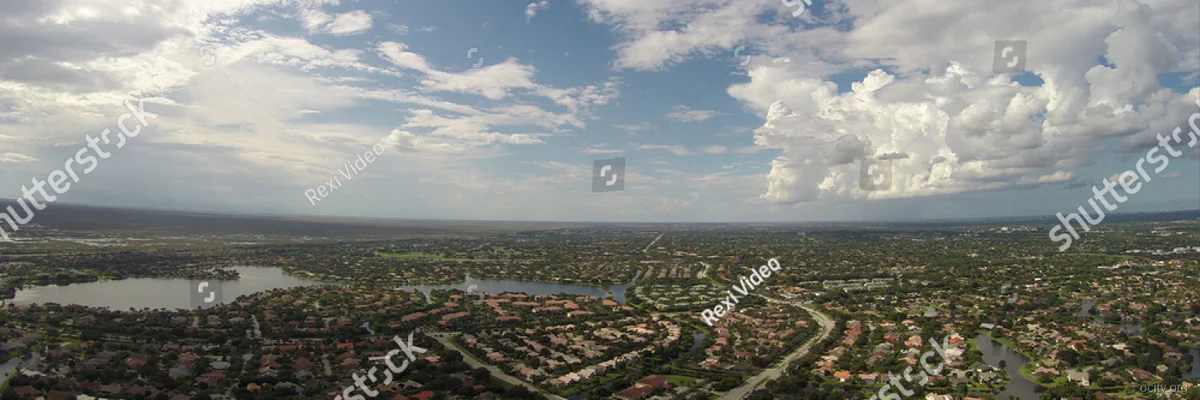
From central districts to quieter residential areas, use this guide to build a Coral Springs shortlist, then verify the exact address and current conditions.
Address-level verification workflow
The editorial guide below can help build a shortlist, but rents, home values, safety, schools and travel times can differ by block and change quickly. Complete these checks before signing or buying.
Check the current listing, lease terms, deposits, utilities, insurance and recurring fees. A citywide median is not a property quote.
Use the local police or open-data portal for the exact address and relevant time period. Citywide rates cannot prove block-level risk.
District and attendance boundaries can change. Verify the exact address with the district before relying on a school assignment.
Travel the route at the hours you would use it and include parking, transfers, tolls and weather—not only an off-peak estimate.
Combine housing, transportation, taxes, insurance, childcare and debt. Neighborhood fit depends on the household, not a universal winner.
Walk the area during daytime and evening, check noise and services, and speak with qualified local professionals where appropriate.
2026 Neighborhood Shortlist: Coral Springs, FL
Summary Table
| Neighborhood | Vibe | Price Score (1BR) | Best For |
|---|---|---|---|
| The Walk | Suburban Urbanism | $$$ | Families, Strollers |
| Ramblewood | 80s Time Capsule | $$ | First-Time Buyers, Value Seekers |
| Cypress Run | Old Money Sanctuary | $$$$ | Privacy, Golfers |
| Coral Ridge | Transitional Grit | $ | Investors, Grit-Seekers |
Coral Springs is finally waking up from its 1990s nap. For decades, this was a strict grid of cul-de-sacs and manicured hedges designed to keep you inside your own zip code. Now, the fault lines are showing. You can draw a line right down Atlantic Boulevard where the "Old Coral Springs" stops and the "New Money" starts pushing west toward the Sawgrass Expressway. The big shift is the push for a "downtown" that doesn't just mean a strip mall. The Walk is the epicenter of this, turning the area around City Hall into a legit hangout spot, pulling the younger professionals out of their garage apartments and into the streets. But don't get it twisted—this isn't Wynwood. The city council is still terrified of anything too loud or too neon. Gentrification is happening, but it’s slow and calculated. You’ll see it in the flipped ranches off Sample Road, but the heart of this city still beats to the rhythm of minivan engines and HOA meetings. The western expansion toward Parkland is bleeding the two cities together, creating a mega-wealth corridor that’s pushing the middle class east toward Margate.
For Families: You want The Walk. The proximity to the Sportsplex, the Museum of Art, and the top-rated elementary schools in the state is unmatched. The layout of streets here slows traffic down, unlike the cut-throughs in Ramblewood. You pay for it, but the safety and amenities are real.
For Wall St / Tech: Commute is everything. Live in The Walk or the western edge of Ramblewood. You are 15 minutes from Fort Lauderdale Executive Airport and 25 minutes from FLL. The traffic pattern flows east in the morning and west at night. If you work from home, Cypress Run offers the peace you need to actually focus.
The Value Play: Coral Ridge. The city is desperate to keep this area from sliding into Margate's orbit. Infrastructure upgrades are scheduled for 2026-2027 (sewer and road repaving). Buy the 1975 ranch on a half-acre lot now, gut it, and you'll be sitting on a goldmine when the Coral Springs border creep finally hits this block.
Citywide reference fields are not current quotes for a neighborhood or property.
Neighborhood Decisions
The 21st Century ROAD Act could reshape the rental market. But will it actually lower rents?
housingSolo living is a luxury in most metros. Here's exactly what you need to earn in 50 cities.
housingThe 30% rule is dead. Here's what financial planners actually recommend in 2026 — by city.