Verify the exact home
Check the current listing, lease terms, deposits, utilities, insurance and recurring fees. A citywide median is not a property quote.
From central districts to quieter residential areas, use this guide to build a Nashua shortlist, then verify the exact address and current conditions.
Address-level verification workflow
The editorial guide below can help build a shortlist, but rents, home values, safety, schools and travel times can differ by block and change quickly. Complete these checks before signing or buying.
Check the current listing, lease terms, deposits, utilities, insurance and recurring fees. A citywide median is not a property quote.
Use the local police or open-data portal for the exact address and relevant time period. Citywide rates cannot prove block-level risk.
District and attendance boundaries can change. Verify the exact address with the district before relying on a school assignment.
Travel the route at the hours you would use it and include parking, transfers, tolls and weather—not only an off-peak estimate.
Combine housing, transportation, taxes, insurance, childcare and debt. Neighborhood fit depends on the household, not a universal winner.
Walk the area during daytime and evening, check noise and services, and speak with qualified local professionals where appropriate.
The 2026 Nashua Neighborhood Shortlist
Let’s be real: Nashua is at a tipping point. The "Gate City" is finally realizing it's just a Boston suburb with better property taxes. The old mill buildings aren’t just ruins anymore; they're high-end condos with a brewery taproom on the ground floor. Gentrification isn't a rumor anymore; it’s a zoning map. The price creep from Massachusetts is undeniable, pushing the "working class" core out toward Manchester or the fringes of Hudson. If you’re looking here in 2026, you’re either chasing the commuter rail access or you’re priced out of Waltham. Here’s where to land before the rest of the masses figure it out.
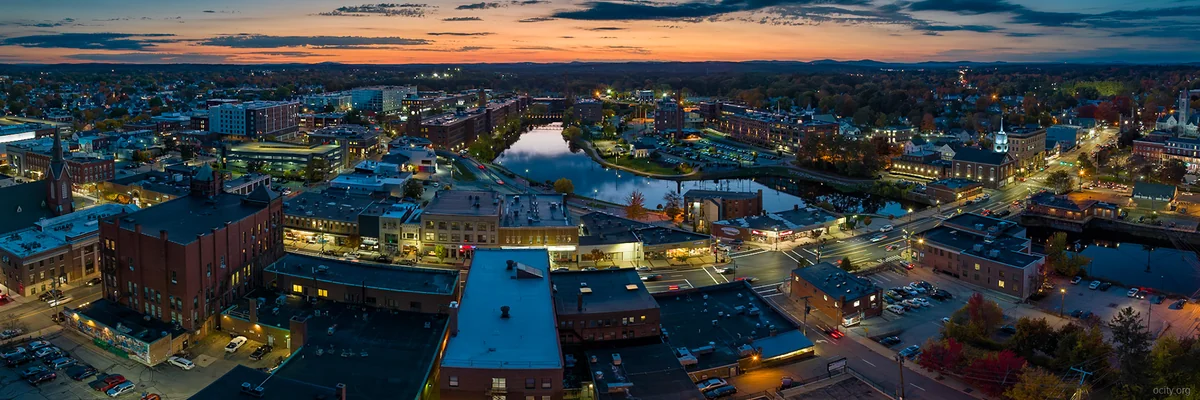
Right now, Nashua feels like a city holding its breath. The downtown corridor along Main Street is shedding its 80s mall aesthetic for something sharper, but it’s uneven. You have the polished stretch near City Hall and the Palace Theatre, where the new farm-to-table spots are setting up shop, clashing with the stubborn dive bars that refuse to die. The "gentrification line" is clearly drawn by the Nashua River. West of the river? It’s getting cleaner, safer, and significantly pricier. East of the river? It’s a mixed bag of post-war ranches and pockets of crime that haven't been scrubbed away yet. The real shift is happening along the Amtrak/Downeaster line. Nashua is no longer just a bedroom community; it’s a transit hub. If you’re within a 10-minute walk of the station, you’re sitting on a goldmine. The local economy is pivoting from manufacturing to biotech support for the Route 128 belt, and the housing stock hasn't caught up to the demand. Expect more "luxury" plywood facades to go up over the next 24 months.
For Families:
Stick to Nashua Gardens or Bicentennial. The school districts here are the most consistent, and the streets (like Pine Street or Crestview) actually have sidewalks. The yards are bigger, and the density is lower, meaning less traffic racing past your driveway. South Nashua is a backup if you need more square footage for your budget, but check the school zoning maps carefully—some parts feed into different clusters.
For Wall St / Tech (Boston Commuters):
Downtown is the winner, period. The Downeaster from Nashua Station is the most underrated commute in New England. You can work a full day in the Seaport and be home for dinner. If you must drive, look at the West End near Broadway to hop on Route 3 quickly, but be prepared for the soul-crushing traffic on Route 101 during rush hour.
The Value Play:
Buy in the West End, specifically the grid streets west of Broadway and south of W. Hollis Street. It’s currently undervalued because of the "East Side" stigma, but the infrastructure is solid. The proximity to the hospital and the river trail means it’s the next target for the developers who have already priced out Downtown. Get in now, renovate, and watch your equity climb by 2028.
Citywide reference fields are not current quotes for a neighborhood or property.
Neighborhood Decisions
The 21st Century ROAD Act could reshape the rental market. But will it actually lower rents?
housingSolo living is a luxury in most metros. Here's exactly what you need to earn in 50 cities.
housingThe 30% rule is dead. Here's what financial planners actually recommend in 2026 — by city.