Verify the exact home
Check the current listing, lease terms, deposits, utilities, insurance and recurring fees. A citywide median is not a property quote.
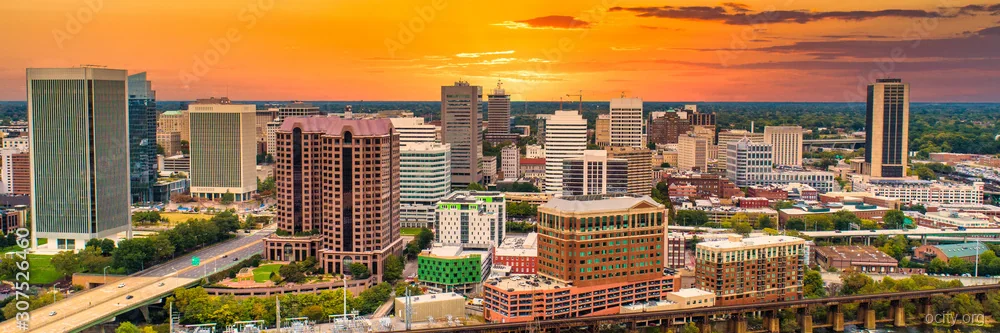
From central districts to quieter residential areas, use this guide to build a Richmond shortlist, then verify the exact address and current conditions.
Address-level verification workflow
The editorial guide below can help build a shortlist, but rents, home values, safety, schools and travel times can differ by block and change quickly. Complete these checks before signing or buying.
Check the current listing, lease terms, deposits, utilities, insurance and recurring fees. A citywide median is not a property quote.
Use the local police or open-data portal for the exact address and relevant time period. Citywide rates cannot prove block-level risk.
District and attendance boundaries can change. Verify the exact address with the district before relying on a school assignment.
Travel the route at the hours you would use it and include parking, transfers, tolls and weather—not only an off-peak estimate.
Combine housing, transportation, taxes, insurance, childcare and debt. Neighborhood fit depends on the household, not a universal winner.
Walk the area during daytime and evening, check noise and services, and speak with qualified local professionals where appropriate.
Richmond's neighborhood map is a patchwork quilt of old money, new money, grit, and gentrification. Picking the wrong one can turn your commute into a nightmare or your social life into a ghost town. This guide cuts through the realtor fluff with the data and street-level intel you actually need.
| Neighborhood | Vibe | Rent Range | Best For | Walk Score |
|---|---|---|---|---|
| The Fan | Historic, walkable, academic | $1,400-$1,900 | VCU med students, car-free urbanites | ~85 |
| Scott's Addition | Trendy, nightlife-heavy | $1,500-$2,000 | Young professionals, social butterflies | ~65 |
| Museum District | Quiet, residential, museum-goers | $1,300-$1,700 | Families, museum members | ~78 |
| Church Hill | Historic, views, village feel | $1,200-$1,600 | History buffs, remote workers | ~72 |
| Manchester | Up-and-coming, industrial-chic | $1,100-$1,500 | First-time buyers, artists | ~55 |
| Bon Air | Suburban, family-focused | N/A (mostly owned) | Families with school-age kids | ~40 |
Overview: The city's most iconic neighborhood, built around VCU and Monroe Park. Think brick rowhouses, narrow streets, and the constant energy of students and doctors. Specifically, the stretch around Cary Street and Strawberry Street is the epicenter of walkable life.
The Numbers:
Local Intel: Parking is a war zone; expect tickets if you don't have a permit. The best hidden gem is the Strawberry Street Market for produce, but avoid I-95 during rush hour if you're heading north—use Grove Ave as a parallel cut-through.
Who Thrives Here: VCU med students, residents who want to ditch their car, and doctors who value a 5-minute walk to work over square footage.
Pros & Cons:
Schools: Richmond Public Schools (RPS). Generally below average, but specific schools like Mary Munford Elementary are exceptions. Not the primary draw for most residents here.
The Verdict: Move here if you're under 35 and prioritize location over everything else. Avoid if you need quiet, parking, or have a dog that requires regular yard access.
Overview: Formerly industrial, now the city's densest concentration of breweries, cideries, and trendy apartments. Centered around the intersection of Arthur Ashe Blvd and Boulevard, this is where Richmond's young professionals Instagram their lives.
The Numbers:
Local Intel: The entire neighborhood is essentially one big party on Friday nights. If you value sleep before 11pm, avoid the apartments directly above The Circuit or Veil Brewing. The best parking hack is the free lot behind Richmond Roller Works—just don't tell everyone.
Who Thrives Here: Young professionals who work downtown or in the West End and want a built-in social life within walking distance.
Pros & Cons:
Schools: Not residential enough for most families. RPS district, but most residents are young singles or couples without kids.
The Verdict: Perfect for 25-35 year olds who want to walk to bars and breweries. Terrible for light sleepers, families, or anyone who needs a quiet home office.
Overview: Just west of The Fan, this is The Fan's calmer, more adult sibling. Built around the Virginia Museum of Fine Arts (VMFA) and the Science Museum. The streets are wider, the houses are slightly larger, and the sidewalks are less crowded.
The Numbers:
Local Intel: The best coffee shop is Ironclad Coffee on Grace Street, housed in a historic firehouse. The VMFA's sculpture garden is free and open late—perfect for evening walks. Avoid taking Arthur Ashe Blvd during Flying Squirrels games; traffic backs up for 20+ minutes.
Who Thrives Here: Museum members, empty nesters who want walkability without the student chaos, and families who can afford private school or don't mind RPS.
Pros & Cons:
Schools: RPS district. Specific schools like Mary Munford Elementary are decent, but overall quality varies wildly. Most families here opt for private or move to the suburbs.
The Verdict: Ideal for culture-focused professionals and families who've outgrown The Fan but aren't ready for the suburbs. Skip it if you need a nightlife scene or top-tier public schools.
Overview: Historic neighborhood east of downtown with stunning views of the James River and actual 18th-century architecture. Centered around the iconic St. John's Church where Patrick Henry gave his "Give me liberty" speech. This is Richmond's most historic residential area.
The Numbers:
Local Intel: The view from Jefferson Park is unmatched. The best breakfast is at Proper Pie Co. on Broad Street, but get there early. Crime is hyper-local: avoid the blocks directly east of 29th Street after dark, but the main corridor (Broad St & Main St) is generally safe.
Who Thrives Here: Remote workers who want historic charm, history buffs, and people priced out of The Fan who still want walkability.
Pros & Cons:
Schools: RPS district. Chimborazo Elementary is the local school, but quality is below average. Not a draw for families focused on education.
The Verdict: Move here if you work from home and want historic character on a budget. Avoid if you have young kids needing good schools or if you're sensitive to urban crime.
Overview: The former industrial corridor south of the James River, now transforming into Richmond's next trendy district. Centered around Hull Street and the Manchester Bridge, this is where you find converted warehouses and new apartments at a discount.
The Numbers:
Local Intel: The best spot is The Park at City View for skyline views. The Rusty Bike Café is the local hangout. The Manchester Bridge has a bike/pedestrian lane that's a game-changer for downtown commutes. Avoid Hull Street during rush hour—it's a parking lot.
Who Thrives Here: First-time homebuyers, artists, and people who want urban living without the Fan prices. Also, VCU students who don't mind a short commute.
Pros & Cons:
Schools: Richmond Public Schools. Not a primary draw for families. The area is more popular with young professionals and first-time buyers.
The Verdict: Best for investors and first-time buyers willing to wait for gentrification. Not ideal for families needing immediate walkable amenities or top schools.
Overview: Classic suburban Richmond in Chesterfield County, but with enough historic charm to avoid feeling sterile. Centered around the intersection of Huguenot Road and Chippenham Parkway, this is where families move when they want space and schools.
The Numbers:
Local Intel: The best park is Robious Landing Park for river access and trails. The Bon Air neighborhood proper has actual sidewalks and mature trees—rare for suburbs. Avoid Chippenham Parkway during 5-6pm; use Huguenot Road instead.
Who Thrives Here: Families with school-age kids, people who want a yard, and those who work in the West End or downtown but prioritize space over commute time.
Pros & Cons:
Schools: Chesterfield County Public Schools (CCPS). Highly rated, with schools like Bon Air Elementary and Midlothian High being standouts. This is the primary draw.
The Verdict: The winner for families with kids who need good schools and a yard. Skip it if you're single, under 30, or need walkable urban amenities.
For Young Professionals: Scott's Addition wins if you want a social life built-in; The Fan wins if you want true walkability and can handle the student energy. Both will eat your paycheck on rent, but the networking happens organically here.
For Families: Bon Air is the clear choice for public schools and space. If you must be closer to downtown and can afford private school, Museum District offers urban living with a residential feel.
For Remote Workers: Church Hill offers historic charm and affordability if you don't need nightlife. The Fan gives you endless coffee shop options within a 5-minute walk.
Traffic Reality Check: The downtown expressway (I-95/I-64 junction) is a bottleneck from 7-9am and 4:30-6:30pm. Living west of the river (Bon Air, parts of Manchester) adds 10-15 minutes during peak times. The best commute hack: live within the "diamond" formed by I-95, I-64, and the Downtown Expressway.
One Counterintuitive Pick: Consider Church Hill if you're priced out of The Fan but want historic character. It's safer than the reputation suggests if you stick to the main corridors, and the value hasn't peaked yet.
Citywide reference fields are not current quotes for a neighborhood or property.
Neighborhood Decisions
The 21st Century ROAD Act could reshape the rental market. But will it actually lower rents?
housingSolo living is a luxury in most metros. Here's exactly what you need to earn in 50 cities.
housingThe 30% rule is dead. Here's what financial planners actually recommend in 2026 — by city.