Roseville
2026 Analysis

Cost of Living in
Roseville, CA

Real data on housing, rent, and daily expenses. See exactly how far your dollar goes in Roseville.

COL Index
108.9
vs National Avg (100)
Median Income
$108k
Household / Year
Avg Rent
$1,666
1-Bedroom Apt
Home Price
$625k
Median Value
Cost Savings
US Avg is Cheaper
Rental Market
Better Rent Prices
Income Potential
Higher Local Salaries

The Real Price Tag: Unlocking the True Cost of Living in Roseville, CA

Forget the glossy brochures and real estate agent talking points. If you're considering a move to Roseville, you need to look at the raw math, not the marketing. The "comfortable" baseline for a single earner here starts at a minimum of $59,338 annually, a figure derived from the area's median household income of $107,888. However, that number is a floor, not a ceiling. It covers basic survival, not true comfort. With a Cost of Living Index sitting at 112.6—meaning it's 12.6% more expensive than the national average—the financial bleed starts the moment you cross the city limits. This isn't just about affording rent; it's about absorbing a consistent, systemic premium on everything from the electricity that cools your home to the property taxes that fund the manicured parks. True comfort in this market requires a clear-eyed view of where your money is actually going, because the advertised "average" rarely tells the full story of the nickel and diming that defines the local experience.

📝 Detailed Cost Breakdown

Category / Metric Roseville National Average
Financial Overview
Median Income $107,888 $74,580
Unemployment Rate 5.5%
Housing Market
Median Home Price $625,000 $412,000
Price per SqFt $321 $undefined
Monthly Rent (1BR) $1,666 $1,700
Housing Cost Index 133.5 100.0
Cost of Living
Groceries Index 104.6 100.0
Gas Price (Gallon) $3.98 $undefined
Safety & Lifestyle
Violent Crime (per 100k) 234.0 380.0
Bachelor's Degree+ 44.3%
Air Quality (AQI) 75
Loading...

The Big Items: Where Your Paycheck Actually Goes

Your largest expenses in Roseville aren't just line items on a budget; they are strategic financial decisions with long-term consequences. The local economy is heavily influenced by its proximity to Sacramento and its status as a hub for regional healthcare and tech, which puts consistent upward pressure on the housing market. Understanding the mechanics of these costs is the difference between financial stability and constant sticker shock.

Housing: Renting vs. The Ownership Trap

The rental market in Roseville provides a deceptive sense of stability. A one-bedroom apartment averages $1,666 per month, while a two-bedroom will set you back $2,072. While these figures may seem manageable compared to Bay Area extremes, they are significantly inflated for a suburban landscape. Renting is a calculated move for flexibility, but it comes with the certainty of annual rent hikes and zero return on investment. The real trap, however, lies in the attempt to buy. With a median home price effectively unavailable in the provided data, you must understand that the market is intensely competitive, pushing entry-level prices far beyond what the median income can comfortably support.

Buying a home isn't a simple transaction; it's a leveraged bet on the local economy. The mortgage payment is just the opening salvo. You are immediately exposed to the property tax bite, which is a perpetual, non-negotiable expense that scales with your home's value. The market heat means you're likely to face bidding wars, waiving contingencies, and ultimately, paying at or above asking price. This creates a scenario where your largest asset becomes a massive, illiquid liability, with property taxes, insurance, and maintenance costs creating a constant financial drag that renters don't see in their simple monthly check.

Taxes: The Sacramento Squeeze

California's tax reputation is well-earned, and Roseville residents feel it in two distinct ways. First is state income tax, which features some of the highest marginal rates in the nation. For a single earner making around $60,000, the marginal rate hits 9.3%, a significant chunk of change that disappears before it ever hits your bank account. This is a direct tax on your labor, and it's the primary reason California salaries must be inflated just to maintain parity with states that have no income tax.

Second, and more directly tied to Roseville specifically, is the property tax bite. While California's Proposition 13 caps the base rate at 1% of the purchase price, the effective rate is often higher due to local bonds and special assessments. For a hypothetical $600,000 home, the base tax is $6,000 annually, but it's common for the total bill to reach $6,500 or more. This is a fixed cost that rises with the assessed value upon sale, meaning you are permanently locked into paying a premium for the privilege of owning property in Placer County. It’s a tax structure that heavily favors long-term, low-tax-rate incumbents and punishes new entrants.

Groceries & Gas: The Daily Grind

Don't expect your grocery and fuel bills to align with national averages. A trip to the local Safeway or Walmart in Roseville will yield sticker shock for anyone relocating from a lower-cost state. Expect to pay a 15-20% premium on staples like milk, bread, and eggs compared to the US baseline. This isn't corporate greed; it's the result of California's unique regulatory environment, higher commercial real estate costs passed on to consumers, and higher wages for the staff stocking the shelves.

The pain at the pump is even more acute. California's gasoline taxes are the highest in the nation, and Roseville's prices consistently reflect this. You can expect to pay $0.50 to $1.00 more per gallon than the national average. For a commuter with a 30-mile round trip drive in a vehicle that gets 25 MPG, this premium can easily add $40-$60 to your monthly fuel bill. This is a non-negotiable "commuter tax" that bleeds your budget dry, one fill-up at a time.
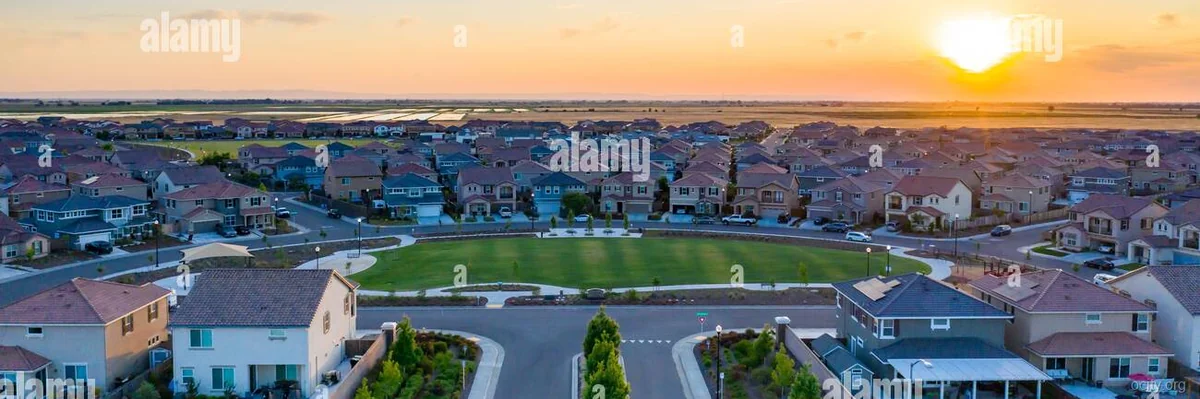
Hidden 'Gotcha' Costs: The Financial Bleed

Beyond the major budget categories lies a minefield of ancillary costs that can derail a carefully constructed financial plan. These are the expenses that don't make the headlines but are an unavoidable part of living in a master-planned, suburban California city.

  • HOA Fees: If you buy a condo or a home in almost any new development, you will be subject to a Homeowners Association. These fees can range from $150 to over $400 per month. They cover amenities you may or may not want (pools, parks, landscaping) but are often non-negotiable and come with the threat of a lien if you fall behind. It's a mandatory monthly tax for the privilege of living in a "managed community."
  • Insurance Premiums: Your standard homeowner's or renter's insurance is just the beginning. Because Roseville sits in a region with significant wildfire risk, insurance companies are becoming increasingly selective. Expect higher premiums than the national average, and be prepared for the possibility of being dropped by your carrier, forcing you into the expensive "California FAIR Plan" for basic fire coverage. This is a massive, unpredictable cost that has skyrocketed in recent years.
  • Utilities: The provided data point of 31.97 cents per kWh for electricity is a killer. This is more than double the rate in many states. In a climate with hot summers, running the air conditioner is a calculated financial decision. A modest 1,500 sq. ft. home can easily see summer electricity bills of $300-$450. This isn't a "gotcha"; it's a guaranteed financial beating for half the year.
  • Parking & City Fees: While not a constant, the cost of parking in nearby Sacramento for work or entertainment can be a significant drain. Daily rates in city garages often exceed $20. Furthermore, the City of Roseville will nickel and dime you for everything from dog licenses to building permits, and vehicle registration fees in California are notoriously high, often running several hundred dollars annually depending on the car's value.

Lifestyle Inflation: The True Cost of "Comfort"

The salary number is meaningless without understanding what that money buys in terms of actual lifestyle. Here’s what you can expect to pay for common discretionary spending in and around Roseville. These aren't luxuries; they are the standard cost of a social and active life.

  • A Night Out: Dinner for two at a mid-range restaurant (like a Yard House or a local equivalent) with two entrees, an appetizer, and two drinks will easily top $120-$150 before tip. Add $30-$40 for a babysitter, and you're approaching $180.
  • Gym Membership: A standard membership at a facility like the YMCA or a large commercial gym will run you $60-$80 per month, per person. Boutique fitness studios will be significantly more.
  • Coffee: The daily coffee habit is a prime example of lifestyle inflation. A specialty latte from a local shop like The Mill or a national chain will cost you $6.00+. That's $30 a week, or $120 a month, for a single daily beverage.
  • Craft Beer: A pint at a local brewery like Monk's Cellar or Rotation Brewing will set you back $8-$10. A casual afternoon of two beers and a shared appetizer can easily hit $50 with tip.

Salary Scenarios: The Bottom Line

This table breaks down the gross annual income required to achieve different lifestyle levels in Roseville, accounting for the high-tax, high-cost environment. The "Single Income" is for one adult, while "Family Income" assumes two working adults and two children in public schools (which incurs its own set of costs for supplies, activities, etc.).

Lifestyle Single Income (Gross) Family Income (Gross)
Frugal $55,000 $90,000
Moderate $75,000 $135,000
Comfortable $110,000 $185,000

Frugal Analysis: At $55,000 for a single person, you are in survival mode. This means renting a small 1BR apartment ($1,666), strictly budgeting groceries, having no car payment (or a very cheap one), and almost no discretionary spending. You are likely packing lunch every day and forgoing a social life. For a family to survive on $90,000, it requires extreme discipline: a modest rental, one older vehicle, and zero savings for college or retirement. This is paycheck-to-paycheck living.

Moderate Analysis: The $75,000 single income offers breathing room. You can afford a 2BR rental ($2,072), a reliable used car payment, and save a bit. You can go out to eat a couple of times a month and maintain a gym membership. The $135,000 family income is the real-world "middle class" benchmark. It allows for the purchase of a older starter home (with a significant mortgage payment), two modest car payments, and covering childcare or after-school programs. You're not struggling, but you are actively budgeting and major unexpected expenses (like a new roof or car repair) would be a significant financial event.

Comfortable Analysis: To live a truly comfortable life where you aren't constantly calculating the cost of every decision, a single person needs to clear $110,000. This allows for maxing out a 401(k), buying a nice home in a desirable area, driving a new car, and not flinching at a $150 dinner bill. For a family to be truly comfortable at $185,000, they can afford a larger home, max out two retirement accounts, fund 529 plans for the kids, take annual vacations, and absorb a financial hit without derailing their long-term goals. This is the income level where Roseville stops feeling like a financial burden and starts feeling like the lifestyle you worked for.

Check Your Salary

See how much you need to earn to live comfortably in Roseville.

Open Calculator

Quick Stats

Median Household Income

Roseville $107,888
National Average $74,580

1-Bedroom Rent

Roseville $1,666
National Average $1,700

Median Home Price

Roseville $625,000
National Average $412,000

Violent Crime (per 100k)

Roseville 234
National Average 380