Verify the exact home
Check the current listing, lease terms, deposits, utilities, insurance and recurring fees. A citywide median is not a property quote.
From central districts to quieter residential areas, use this guide to build a San Jose shortlist, then verify the exact address and current conditions.
Address-level verification workflow
The editorial guide below can help build a shortlist, but rents, home values, safety, schools and travel times can differ by block and change quickly. Complete these checks before signing or buying.
Check the current listing, lease terms, deposits, utilities, insurance and recurring fees. A citywide median is not a property quote.
Use the local police or open-data portal for the exact address and relevant time period. Citywide rates cannot prove block-level risk.
District and attendance boundaries can change. Verify the exact address with the district before relying on a school assignment.
Travel the route at the hours you would use it and include parking, transfers, tolls and weather—not only an off-peak estimate.
Combine housing, transportation, taxes, insurance, childcare and debt. Neighborhood fit depends on the household, not a universal winner.
Walk the area during daytime and evening, check noise and services, and speak with qualified local professionals where appropriate.
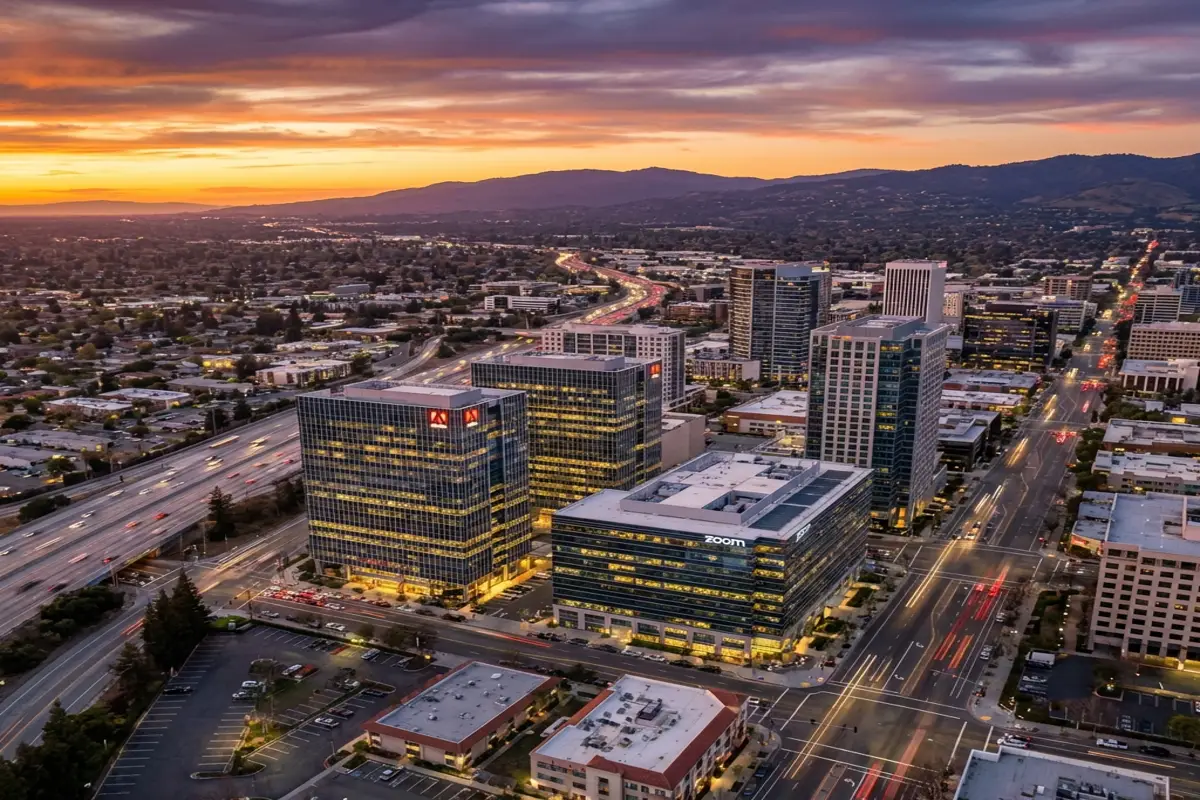
Look, the old San Jose map—the one that just said "Downtown" and "South San Jose"—is dead. The real story of 2026 is the battle for the soul of the tech corridor. North San Jose (specifically River Oaks and Lakewood) is now the city's true downtown for the 9-to-5 crowd, a dense grid of apartment towers anchored by the Levi's Stadium skyline. But the real shift is eastward. Alum Rock is shedding its gritty reputation block by block, with venture capitalists' kids getting dropped at preschools that used to serve entirely different zip codes. Meanwhile, the Willow Glen and Campbell border war is raging; the "bungalow belt" along Lincoln Avenue is now so expensive it's pushing families toward Burbank, the last neighborhood in this pocket where you can still find a yard without a seven-figure price tag. The 880 and 101 are no longer just commuter arteries; they're the fault lines separating old-money suburbs from the next wave of development. You're not looking for a place to live; you're picking a side.
| Neighborhood | Vibe | Price Score (vs. $2694) | Best For |
|---|---|---|---|
| Willow Glen | Craftsman Comfort | High ($3200+) | Families, Dog Walkers |
| North San Jose | Tower Farm | High ($3100+) | Tech Commuters, Gym Rats |
| Rose Garden | Old Money | Very High ($3400+) | Quiet Professionals, Gardeners |
| Alum Rock | Up-and-Comer | Mid ($2500) | Value Seekers, Foodies |
| Burbank | Starter Home | Mid-High ($2900) | Young Families, Fixer-Uppers |
| Japantown | Urban Core | High ($3000+) | Night Owls, Density Lovers |
The defining tension in San Jose right now is "Downtown vs. The Towers." For a decade, the city poured millions into Downtown San Jose around San Pedro Square, hoping to create a central hub. It's great for a beer at Uproar Brewing, but it's still a ghost town after 7 PM. The real energy is in North San Jose, the area around Tasman Drive and North First Street. This is the "Tower Farm," a sea of high-rises where the 2694 city average is a laughable entry fee. It's sterile, sure, but if you work at Cisco, Apple, or NVIDIA, your commute is a 10-minute bike ride. The new SAP Center extension and the Santana Row expansion have bled into each other, creating a single, continuous corridor of high-end retail and traffic nightmares.
The gentrification front line is Alum Rock. Take a drive down Story Road. On one side, you have the flea market and legacy taquerias. On the other, you see brand-new four-story "luxury" apartments. The VTA light rail extension is the catalyst; every parcel within a 10-minute walk of the Alum Rock Station is being eyed for redevelopment. This is where the money is moving next. It's chaotic and messy, but the food scene—specifically the Vietnamese and Salvadoran spots along Story and Keyes—is the most authentic in the entire Bay Area. Avoid this area if you need manicured sidewalks and a Starbucks on every corner. For that, you're paying a massive premium in Rose Garden, where the biggest problem is which of the three golf courses to play. The real estate game here is about betting on which neighborhood's "downtown" will finally click into place. My money is on the Lincoln Avenue strip in Willow Glen, which has successfully resisted the corporate gloss and remains the city's best main street.
For Families: You're in Willow Glen or Burbank. No exceptions. The schools in Willow Glen Elementary and Burbank Elementary districts are the public system's best. Willow Glen offers the walkable community and the high price tag to match. Burbank offers the yard and the square footage for a family that needs space to spread out. You sacrifice the "main street" feel for a garage and a patch of grass.
For Wall St / Tech: The commute is the only metric that matters. You're living in North San Jose. Period. The density of jobs along North First Street and Tasman Drive is staggering. The towers are designed for you. If you want a slightly more "neighborhood" feel but still need a 15-minute commute, look at the River Oaks pocket specifically. Don't waste your life on the 101 or 280; the money is in proximity.
The Value Play: Alum Rock. This is the gamble, but it's the only one with a real upside. The infrastructure is being built (light rail, new housing), the food scene is already there, and the prices are still below the city average. Buy a fixer on a street like Senter Road or Foolstone Avenue within a 10-minute walk of the Alum Rock Station. In five years, as the development wave crests eastward, that's where you'll see the biggest appreciation.
Citywide reference fields are not current quotes for a neighborhood or property.
Neighborhood Decisions
The 21st Century ROAD Act could reshape the rental market. But will it actually lower rents?
housingSolo living is a luxury in most metros. Here's exactly what you need to earn in 50 cities.
housingThe 30% rule is dead. Here's what financial planners actually recommend in 2026 — by city.