West Valley City
2026 Analysis

Cost of Living in
West Valley City, UT

Real data on housing, rent, and daily expenses. See exactly how far your dollar goes in West Valley City.

COL Index
96.4
vs National Avg (100)
Median Income
$81k
Household / Year
Avg Rent
$1,301
1-Bedroom Apt
Home Price
$480k
Median Value
Cost Savings
West Valley City is Cheaper
Rental Market
Better Rent Prices
Income Potential
Higher Local Salaries

The Real Price Tag: The $44,488 Illusion

Let's cut through the marketing brochure nonsense. You’ve seen the headline Cost of Living Index (COL) of 95.0, which suggests West Valley City is a bargain compared to the national average of 100. You’ve likely also spotted the median household income hovering around $80,889. If you are a single income earner looking to relocate, you might be pegging your target salary around $44,488, thinking you’re going to get a comfortable slice of the American Dream for a discount. That is a dangerous assumption. That $44,488 figure is the mathematical median, not a survival guide. It represents a baseline where you are keeping the lights on and the fridge stocked, but you aren't building equity or weathering a crisis. To actually live here without feeling like you are one blown transmission away from bankruptcy, you need to understand that the "average" cost of living is a trap door. "Comfort" in this city requires a salary closer to $65,000 for a single person, simply because the hidden bleed costs—specifically insurance and housing volatility—eat away at that $44,488 floor much faster than the generic index implies.

📝 Detailed Cost Breakdown

Category / Metric West Valley City National Average
Financial Overview
Median Income $80,889 $74,580
Unemployment Rate 3.6%
Housing Market
Median Home Price $480,000 $412,000
Price per SqFt $217 $undefined
Monthly Rent (1BR) $1,301 $1,700
Housing Cost Index 118.6 100.0
Cost of Living
Groceries Index 93.0 100.0
Gas Price (Gallon) $3.40 $undefined
Safety & Lifestyle
Violent Crime (per 100k) 345.0 380.0
Bachelor's Degree+ 15.2%
Air Quality (AQI) 110
Loading...

The Big Items: Where the Budget Bleeds

Housing: The Rent vs. Buy Trap

The housing market in West Valley City is currently a pressure cooker, disguised as a "starter home" market. If you are looking to rent, the data shows a median 2-bedroom unit sits around $1,747. While this might look standard compared to coastal cities, you have to factor in the local utility of space. Landlords here are aggressively pushing "rent-to-own" schemes or jacking up rates on 2-bedroom units because families are being priced out of buying. You aren't getting a deal; you are paying a premium for the privilege of not being tied to a 30-year mortgage in a cooling market. If you are looking to buy, you are stepping into a minefield of bidding wars on older stock. The median home price isn't listed, but that is because the market is bifurcating: new builds are astronomically priced, and older homes are being bought by institutional investors, cash-in-hand, pushing the median out of reach for the $44,488 earner. The "buy" argument relies on equity building, but with property taxes creeping up, the monthly outlay often exceeds rent, making the "forced savings" aspect of a mortgage feel more like a "forced hemorrhage" of cash flow.

Taxes: The Utah Surprise

Utah sells itself on a flat income tax rate of 4.65%, and yes, that beats the hell out of California or New York. If you are making $44,488, you are looking at roughly $2,068 a year in state income tax. That sounds manageable. However, the real tax bite comes from the property tax side, specifically the "Municipal Bond" debt that West Valley City carries to fund infrastructure. The effective property tax rate in Salt Lake County hovers around 0.58% to 0.65%. On a $450,000 home (which is a realistic median entry point), that’s $2,812 annually. But here is the nickel and dime reality: School District levies and County Special Service districts can push that taxable value up. If you buy a home, your escrow account is going to shock you because the assessed value by the County Assessor often lags the market, leading to a massive catch-up tax bill in year two or three. You don't get a tax break here; you pay for the growth.

Groceries & Gas: The Local Variance

Don't trust the national baseline for fuel and food. West Valley City is a logistics hub, which helps, but the local variance is driven by the sheer sprawl. You are driving everywhere. The price of gas here hovers about $0.15 to $0.20 above the national average due to specific state excise taxes and distribution costs. If you have a commute from a suburb like Herriman or South Jordan into the Valley, you are burning $3,500+ a year in fuel alone. Groceries are a mixed bag. Utah doesn't tax unprepared food, which is a plus. However, West Valley has food deserts where the only options are big-box stores with creeping prices. A standard grocery run for a family of four is easily $250 a week if you aren't couponing religiously. The "local variance" hits hard here: if you shop at the niche organic spots, you are paying 25% over the baseline; if you stick to the chains, you are fighting inflation that feels closer to 8% rather than the reported 3%.
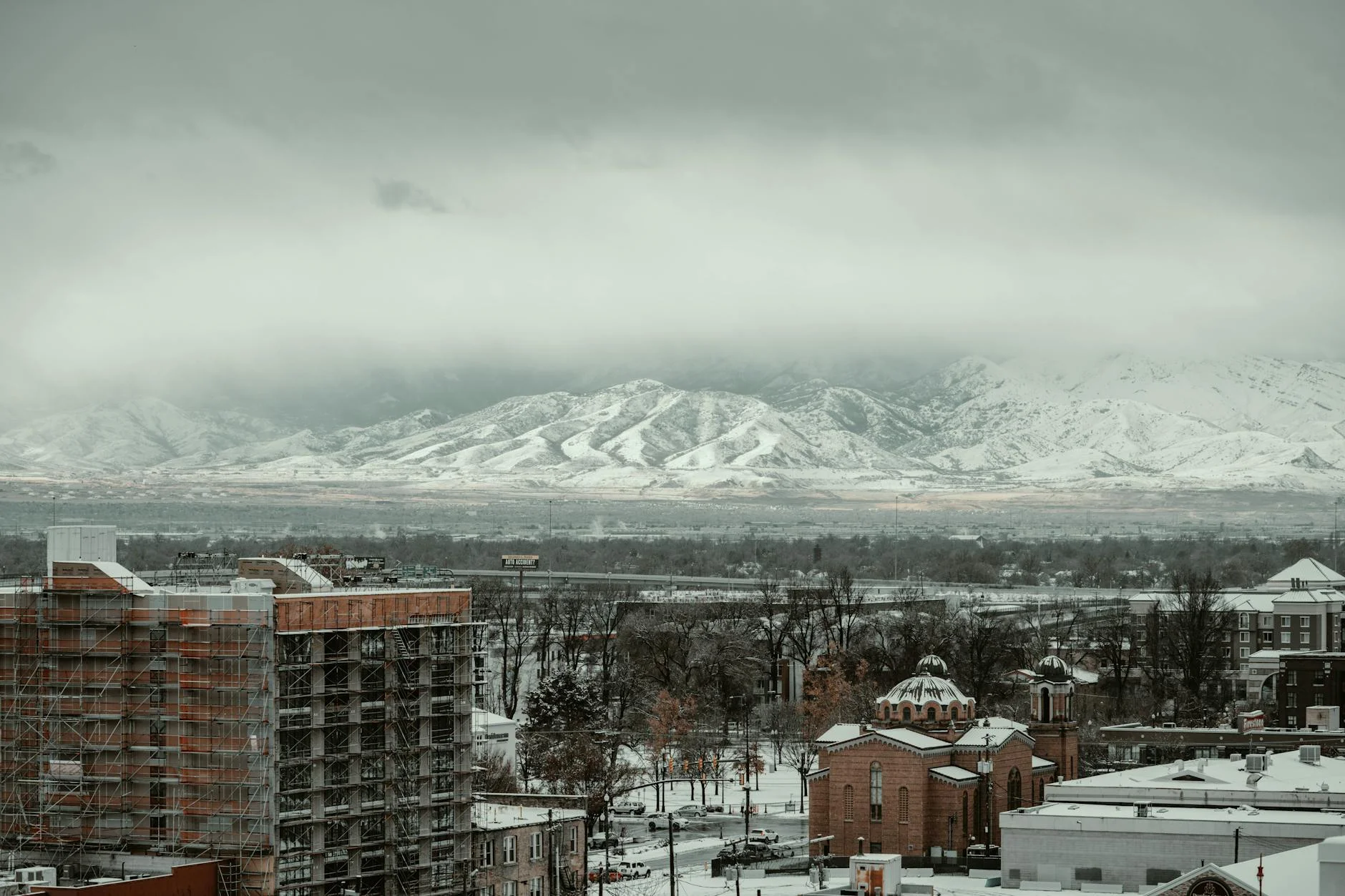
Hidden 'Gotcha' Costs

The "Gotcha" costs in West Valley City are the ones that destroy a budget based on a $44,488 income. First, the insurance market. Utah is a "high risk" state for auto insurance because of the I-15 corridor accident rates. If you have a newer car, you are paying $150+ a month for full coverage, not the $90 the national calculators suggest. Second, Flood Insurance. While West Valley isn't on a flood plain, the flash flood risks in the foothills are real. If your mortgage holder requires it, that’s another $800 a year out of pocket. Third, HOAs. Almost every new development and many older ones have HOAs. They are not optional. They range from $40 to $150 a month. For that fee, you often get a gate that breaks and landscaping that is neglected. It is a tax for the privilege of owning your home. Finally, parking. If you go into Salt Lake City proper or Sugar House, expect to pay $15 to $25 for a few hours of parking. It nickel and dimes you every time you leave the house.

Lifestyle Inflation: The Cost of Sanity

You cannot live on rice and beans forever. Lifestyle inflation hits hard because the social scene is expensive. A night out isn't cheap. A decent burger and two beers at a local brewery in West Valley or nearby Taylorsville will run you $45 to $55 for one person, including tip. If you want to stay active, a standard gym membership like Planet Fitness is cheap at $10, but if you want a CrossFit or boutique gym (common in the area), you are looking at $150+ a month. Coffee is a specific metric: a latte at a local roaster is $6.50. If you buy one every workday, that’s $140 a month or $1,680 a year—roughly 4% of that "median" income. These aren't luxuries; they are the baseline for having a social life. If you don't factor in the cost of actually leaving your house, you will feel poor even with a "good" salary.

Salary Scenarios: The Hard Numbers

Here is the breakdown of what you actually need to survive versus thrive in West Valley City (2026 Estimates).

Lifestyle Single Income Needed Family Income Needed (4 People) Analysis
Frugal $52,000 - $58,000 $75,000 - $85,000 Analysis: This scenario assumes you rent a 1BR or shared 2BR ($1,200 - $1,400), drive a paid-off car, and strictly limit eating out. You are saving 10% for retirement, but one major medical event or car repair puts you in debt. You are surviving, but you are one emergency away from financial ruin.
Moderate $65,000 - $75,000 $95,000 - $110,000 Analysis: This is the "Real Cost" tier. You can afford a 2BR rental or a modest mortgage on a townhome. You have a car payment on a reliable vehicle. You can save 15% for retirement and afford the occasional weekend trip. You are comfortable, but you are still budgeting heavily for the hidden costs like insurance and taxes.
Comfortable $90,000+ $140,000+ Analysis: This is where you actually get the "bang for your buck" the state advertises. You can buy a single-family home in a decent school district, max out retirement accounts, and not sweat the $250 grocery bill. You can absorb the $0.15 gas variance and the $150 HOA fee without flinching. This is the income level where the 95.0 COL index actually works in your favor.

Check Your Salary

See how much you need to earn to live comfortably in West Valley City.

Open Calculator

Quick Stats

Median Household Income

West Valley City $80,889
National Average $74,580

1-Bedroom Rent

West Valley City $1,301
National Average $1,700

Median Home Price

West Valley City $480,000
National Average $412,000

Violent Crime (per 100k)

West Valley City 345
National Average 380