Verify the exact home
Check the current listing, lease terms, deposits, utilities, insurance and recurring fees. A citywide median is not a property quote.
From central districts to quieter residential areas, use this guide to build a Wilmington shortlist, then verify the exact address and current conditions.
Address-level verification workflow
The editorial guide below can help build a shortlist, but rents, home values, safety, schools and travel times can differ by block and change quickly. Complete these checks before signing or buying.
Check the current listing, lease terms, deposits, utilities, insurance and recurring fees. A citywide median is not a property quote.
Use the local police or open-data portal for the exact address and relevant time period. Citywide rates cannot prove block-level risk.
District and attendance boundaries can change. Verify the exact address with the district before relying on a school assignment.
Travel the route at the hours you would use it and include parking, transfers, tolls and weather—not only an off-peak estimate.
Combine housing, transportation, taxes, insurance, childcare and debt. Neighborhood fit depends on the household, not a universal winner.
Walk the area during daytime and evening, check noise and services, and speak with qualified local professionals where appropriate.
Reviewed local sources
These links are owned by local government, public safety, transit or school organizations. Use the exact address and current date range. An incident map is not a prediction, a nearby school is not proof of assignment, and a route map is not a commute guarantee.
The guide’s prices, ranges, walkability, school context and commute estimates are directional editorial snapshots, not live quotes. Markets and services change; verify the current property, route and assignment before deciding.
Source registry reviewed 2026-07-17.
City of Wilmington
Use official neighborhood, zoning and district maps to confirm location context.
Open Wilmington city mapsWilmington Police Department
Compare consistent periods and account for reporting scope; do not infer block-level outcomes from a city total.
Open Wilmington Police crime statisticsDelaware Transit Corporation
Check current routes, stop access and schedules for the exact commute.
Open DART First StateDelaware Department of Education
Verify district, assignment and enrollment rules using the exact address.
Open Delaware education resourcesWilmington’s neighborhood landscape can change quickly from block to block. An exact address may shape your commute, parking situation, restaurant and transit access, public-school assignment, and exposure to reported property or violent-crime incidents. The best fit depends on routine: one address may offer a short downtown trip and useful walkability, while another may provide more space but add peak-hour I-95 traffic, parking costs, or a car-dependent daily schedule.
This is a directional 2026 editorial snapshot, not a live market report or a promise of neighborhood conditions. Wilmington city neighborhoods, nearby unincorporated North Wilmington, and surrounding New Castle County communities have different municipal, school-district, and service contexts. Verify every material detail for the exact address before renting or buying.
| Neighborhood | Vibe | Rent Range | Best For | Walkability Snapshot |
|---|---|---|---|---|
| Trolley Square | Urban-adjacent, walkable | $1,550-$2,100 | Professionals, nightlife access | ~78 |
| Hilltop | Historic, residential | $1,300-$1,700 | State workers, first-time buyers | ~65 |
| Riverfront | Modern, amenity-heavy | $1,700-$2,400 | Corporate relocations, downsizers | ~72 |
| North Wilmington | Suburban, quiet | $1,450-$1,900 | Households seeking space, remote workers | ~45 |
| Central Wilmington | Dense, mixed, comparatively affordable | $900-$1,300 | Budget-conscious renters, downtown workers | ~85 |
How to read the numbers
Prices, commute times, walkability figures, school-rating references, amenity claims, waitlists, and fees in this guide are directional editorial ranges compiled for the 2026 guide—not live quotes, formal assessments, or guarantees. Conditions vary by exact address, building, unit, route, time of day, listing source, and school year.
Confirm current rent, sale price, parking costs, association fees, utilities, transit schedules, reported incidents, municipal boundaries, and school assignment before signing a lease or purchase agreement. A neighborhood-level Walk Score or similar figure is not an address-level measurement.
Overview: Centered around Delaware Avenue and the city’s historic trolley-route corridor, Trolley Square is Wilmington’s closest approximation to a compact, walkable urban neighborhood. Brick rowhouses on Washington Street and nearby blocks give the area genuine architectural character, while restaurants, bars, cafés, and daily services are concentrated within a relatively small footprint.
The Numbers:
Local Intel: Alley or rear parking behind some rowhouses can materially improve day-to-day life. If a unit includes a legal off-street space, verify that it is reserved, usable by your vehicle, and included in writing. Friday nights along Delaware Avenue can be loud, particularly near the main bar and restaurant cluster around Trolley Square Oyster House. Blocks approaching downtown, including the broader 11th and Washington area, may feel quieter or less active late at night. Visit the exact walking route after dark rather than relying on a neighborhood-wide impression.
Who Thrives Here: People who want to walk to bars and restaurants, work downtown, and prioritize a compact social environment over a large yard or suburban quiet. It is a common first stop for lawyers, bankers, hospital employees, and other professionals relocating to Wilmington, while the housing stock also includes longer-term residents and empty-nesters.
Pros & Cons:
Schools: Trolley Square is not chiefly selected for neighborhood-school access, but families do live here. Public-school district and building assignments in Wilmington are address-specific and can change. Do not assume that a nearby school is the assigned school.
The Verdict: Consider Trolley Square if you want urban-style living without Philadelphia-level scale or pricing. Consider other areas if quiet weekends, easy parking, a large private outdoor area, or a particular school assignment is your leading requirement.
Overview: Hilltop is part of Wilmington’s established west-side residential fabric, with tree-lined blocks, sturdy brick rowhouses and detached homes, and housing largely dating from the early to mid-20th century. Lancaster Avenue and Union Street provide commercial access, while individual blocks range from busy mixed-use corridors to quieter residential streets.
The Numbers:
Local Intel: Wilmington’s Joseph R. Biden Jr. Railroad Station is downtown rather than directly on Hilltop’s edge, so the neighborhood should not be treated as a walk-to-Amtrak location from every address. A local trip to the station can still make rail commuting practical, and scheduled express trains may reach Philadelphia’s 30th Street Station in roughly 28 minutes, though total door-to-door time will be longer. Lancaster Avenue has local breakfast and service businesses used by courthouse, state, and neighborhood workers. Reported incident patterns vary by block; compare current address-area data and use ordinary vehicle-security precautions, including keeping valuables out of sight.
Who Thrives Here: State employees, courthouse workers, first-time buyers, and households seeking more room than they may find at the same price in Trolley Square or the Riverfront. It can also work for Philadelphia commuters who are comfortable connecting to Wilmington station rather than expecting to walk there from every part of Hilltop.
Pros & Cons:
Schools: Much of Hilltop is associated with the Red Clay Consolidated School District, but Wilmington’s district geography is unusually complex and exact assignments must be checked by address. Historical third-party snapshots have placed some commonly discussed schools around the 5/10 to 6/10 range, including references to Harlan around 6/10 and Mount Pleasant around 5/10. Those figures are not current guarantees, official ratings, or proof that a school serves a Hilltop address. Charter admission is application-based and may involve eligibility rules, capacity limits, or lotteries.
The Verdict: Hilltop can suit courthouse or state workers and first-time homebuyers who value established housing at a comparatively accessible price. It is less compelling for someone who requires a specific assigned school or walkable nightlife immediately outside the door.
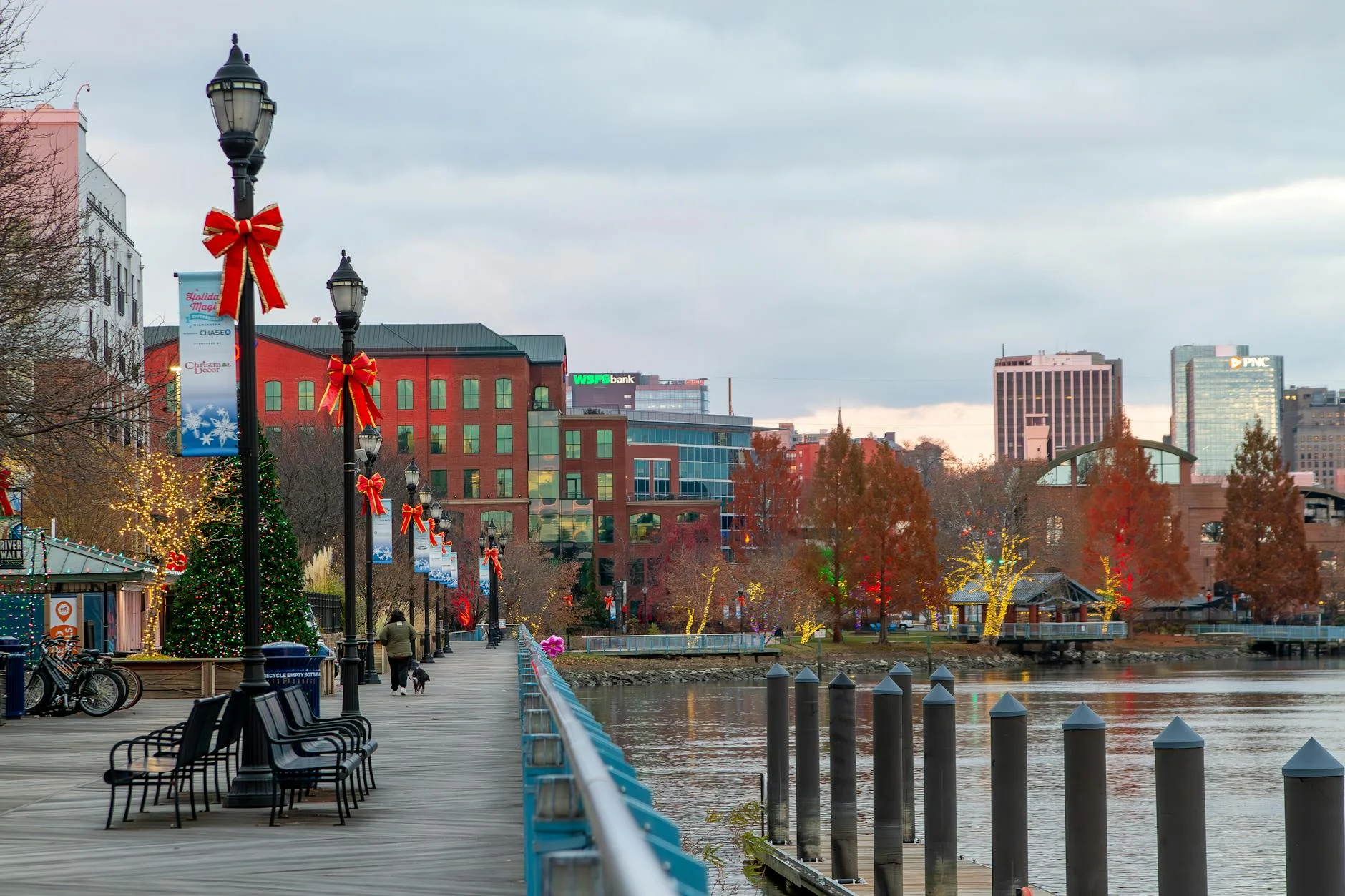
Overview: The Riverfront is Wilmington’s most visible post-industrial redevelopment district. It stretches along the Christina River near the train station and Frawley Stadium, with newer apartment buildings and condominiums alongside converted or repurposed industrial properties. The Riverwalk is a practical recreational asset for walking, running, and reaching several restaurants and attractions.
The Numbers:
Local Intel: Daniel S. Frawley Stadium, home of the Wilmington Blue Rocks, is close enough that games, crowds, and fireworks nights may be audible or visible from nearby buildings. Some waterfront properties advertise marina access or boat slips, but availability is limited and reported waits can exceed two years; verify current rules, availability, fees, and transferability directly with the building or marina. A downtown walk may take about 15 minutes from parts of the district, but highway ramps, rail infrastructure, waterways, and former industrial land can create a stronger sense of separation than the mileage suggests.
Who Thrives Here: Corporate transferees and employees working for major Wilmington-area institutions who want newer finishes, elevators, fitness rooms, managed parking, or other modern amenities without moving to a conventional suburb. It is also a potential fit for downsizers who prefer lower-maintenance housing, though building accessibility and services vary.
Pros & Cons:
Schools: The Riverfront is not generally chosen primarily for its assigned public schools, but school-age households should still verify district and attendance-zone information by exact address. Do not assume that a newer building includes a particular school option.
The Verdict: Consider the Riverfront if you want newer, amenity-oriented housing, river access, and a very short downtown trip. Consider another neighborhood if you prefer an older residential streetscape, a wider independent-business scene, or a home selected around a specific school.
Overview: North Wilmington is generally outside Wilmington city limits, in unincorporated northern New Castle County, though it is commonly grouped with the broader Wilmington area in real-estate searches. It offers a more suburban landscape with larger lots, mature trees, private driveways, and lower-density development. Areas around Silverside Road and the broader northern New Castle County corridor commonly feature mid-century split-levels, ranches, and detached homes. Kennett Pike is farther west and more closely associated with Greenville and surrounding communities, so it should not be treated as the center of North Wilmington, though it is part of the wider northern-area driving network.
The Numbers:
Local Intel: Proximity to Pennsylvania is a practical advantage: depending on the exact starting point, the state line can be around 10 minutes away, while a trip toward West Chester may take roughly 20 minutes or longer. Concord Mall and the Concord Pike corridor remain important commercial reference points, though shopping habits vary and many residents also drive to Christiana. School pickup, Route 202, Silverside Road, and connections toward Kennett Pike can all produce congestion at predictable periods.
Who Thrives Here: Households seeking multiple bedrooms, yard space, quieter streets, or room for a home office. It can also suit remote workers who value interior space and privacy more than the ability to walk to coffee, groceries, or nightlife.
Pros & Cons:
Schools: Most North Wilmington addresses are in the Brandywine School District, not a “Mount Pleasant School District.” Mount Pleasant Elementary and Concord High are among the schools frequently discussed by local households, but catchments, transportation, programs, and ratings must be confirmed for the exact property. The earlier 8/10-style elementary rating is best read as a directional third-party snapshot, not a current official judgment. Private options considered by some area families include Tower Hill and Archmere, with separate tuition, admissions, transportation, and eligibility requirements.
The Verdict: Consider North Wilmington if you want a suburban setting, more private space, and access to generally well-regarded school options while remaining in Delaware. It is less suitable if walkability is essential or if you expect a reliably short downtown trip every weekday.
Overview: Central Wilmington is the dense heart of the city, with rowhouses, apartment buildings, civic institutions, older commercial corridors, and substantial block-to-block variation. The area around Market Street is part of Wilmington’s historic downtown core, but “Central Wilmington” is a broad editorial label rather than a single official neighborhood. Prices can be more accessible than in Trolley Square or the Riverfront, although condition, management quality, parking, and immediate surroundings matter greatly.
The Numbers:
Local Intel: Central Wilmington contains important parts of the city’s cultural, civic, and commercial life, but it should not be reduced to one uniform experience. Rodney Reservoir is a useful west-side open-space destination, not a feature of every central block. Likewise, the Colonial Shopping Center is outside the immediate downtown core and is more useful by car than the description “central” may imply. Some blocks around the broader 9th and Washington corridor have historically raised more safety questions than others; older editorial snapshots described violent-crime levels in certain small areas as reaching roughly three times a city benchmark. Treat that only as a prompt for current, address-level research—not as a statement about every resident, building, or nearby street.
Who Thrives Here: Downtown workers, artists, service-industry employees, and budget-conscious renters who prioritize location and transit access over luxury finishes or private outdoor space. The area also includes long-established communities and immigrant-owned businesses; prospective residents should assess housing quality, daily convenience, and their own routines rather than treating the district as a uniform redevelopment opportunity.
Pros & Cons:
Schools: Depending on the exact block, a Wilmington address may fall within Christina, Red Clay, Brandywine, or another applicable assignment structure. Older third-party snapshots have referenced Bancroft around 4/10 and Shortlidge around 5/10, but these ratings change and neither school should be assumed from the neighborhood name alone. Charter schools are one possible option, not the only option, and admission may depend on applications, lotteries, capacity, grade level, and program requirements.
The Verdict: Central Wilmington can work for someone who needs an affordable urban location and is willing to compare individual blocks and buildings carefully. It is a weaker fit for anyone expecting uniform street conditions, assured school access, easy private parking, or consistently quiet surroundings.
For professionals seeking nightlife and walkability: Trolley Square remains the clearest all-around choice in this group. A typical 1BR may approach $1,800, but the tradeoff is direct restaurant access and an estimated 8-minute downtown commute. If that is beyond budget, Central Wilmington may offer an urban experience closer to $1,100, though building quality, parking, and current address-area incident patterns deserve careful review.
For households prioritizing space or schools: North Wilmington provides the strongest combination on this list of larger homes, yards, and generally well-regarded school options, but expect a roughly 20-minute downtown commute and substantial driving. Hilltop is the more affordable alternative if you can accept a smaller property, mixed school context, and greater block-to-block variation.
For empty-nesters or downsizers: The Riverfront offers newer buildings, elevators, managed amenities, and an estimated 5-minute downtown trip, though residents may drive to reach a wider range of cultural venues and neighborhood businesses. Trolley Square provides more immediate nightlife and older architectural character, with more parking and noise tradeoffs.
Traffic reality check: I-95 through Wilmington can slow dramatically from approximately 7-8:30am and 4:30-6pm, although crashes, construction, weather, and bridge or ramp conditions can shift the pattern. If you commute to Philadelphia, compare a Hilltop-to-station connection plus Amtrak with the full cost and time of driving. If you work near Christiana Mall, do not assume North Wilmington is automatically the fastest option; test the trip from each exact address during your actual work hours.
Counterintuitive recommendation: Do not automatically dismiss Central Wilmington if you are a remote worker on a tight budget. Historical crime statistics can look concerning, but conditions are highly localized and change over time. A carefully selected and personally inspected address may support car-light living for under $1,200 per month while remaining within a few miles of many daily destinations. Compare the building, block, lighting, parking, late-night route, management responsiveness, and current reported-incident data rather than relying on a broad neighborhood label.
Check the property against official neighborhood and municipal boundaries, current reported-incident data, transit routes and schedules, and the applicable school district’s address-based assignment tool. For North Wilmington, confirm whether the property is in Wilmington city limits or unincorporated New Castle County, as tax, service, parking, and governance contexts may differ.
Then request a written comparison from the landlord, agent, property manager, seller, or buyer’s representative covering:
Visit at more than one time of day when possible, including your likely commute period and evening walking route. Verify every material claim independently before signing.
Neighborhood names are useful orientation, but official boundaries and service areas can differ. Before signing, verify the exact address against official boundary and planning maps, current reported incident information, transit routes and service levels, and school assignment. Ask for a written comparison of rent or purchase price, parking, fees, taxes, utilities, property condition, commute assumptions, and included amenities so competing addresses can be evaluated on the same terms.
Citywide reference fields are not current quotes for a neighborhood or property.
Neighborhood Decisions
The 21st Century ROAD Act could reshape the rental market. But will it actually lower rents?
housingSolo living is a luxury in most metros. Here's exactly what you need to earn in 50 cities.
housingThe 30% rule is dead. Here's what financial planners actually recommend in 2026 — by city.