
📊 Lifestyle Match
Visualizing the tradeoffs between Southfield and Albuquerque
Detailed breakdown of cost of living, income potential, and lifestyle metrics.
Visualizing the tradeoffs between Southfield and Albuquerque
Line-by-line data comparison.
| Category / Metric | Southfield | Albuquerque |
|---|---|---|
| Financial Overview | ||
| Median Income | $65,497 | $67,907 |
| Unemployment Rate | 5% | 4.2% |
| Housing Market | ||
| Median Home Price | $244,900 | $300,100 |
| Price per SqFt | $142 | $null |
| Monthly Rent (1BR) | $1,029 | $1,005 |
| Housing Cost Index | 93.0 | 88.8 |
| Cost of Living | ||
| Groceries Index | 98.0 | 95.4 |
| Gas Price (Gallon) | $3.40 | $3.40 |
| Safety & Lifestyle | ||
| Violent Crime (per 100k) | 449.2 | 1189.0 |
| Bachelor's Degree+ | — | 39.6% |
| Air Quality (AQI) | 30 | 26 |
AI-generated analysis based on current data.
So, you're stuck between the high desert and the suburbs of Detroit. On paper, Albuquerque and Southfield might look like they're playing in the same league—similar median incomes, comparable rent prices—but the reality on the ground is a tale of two completely different Americas.
This isn't just about picking a ZIP code; it's about choosing a lifestyle. Are you craving wide-open skies, red chile, and a pace that lets you breathe? Or are you looking for the hustle, the big-city amenities of a major metro, and four distinct seasons? Let's dig into the data and the vibe to help you decide where to plant your roots.
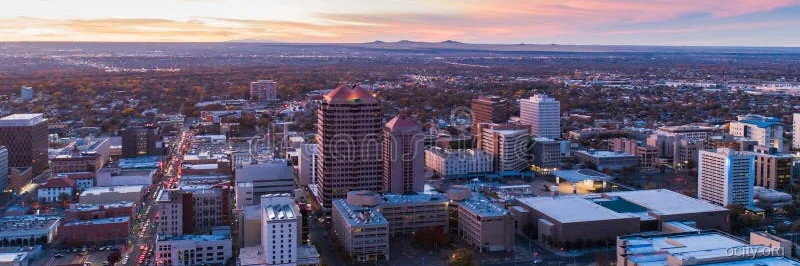
Albuquerque is the essence of the American Southwest. It’s a city where the sunset paints the Sandia Mountains in a dusty rose, where the smell of roasting green chile hangs in the air, and where the culture is a rich blend of Native American, Hispanic, and Anglo influences. It’s laid-back, a little quirky, and deeply connected to the land. Life here moves at its own pace—slower, more deliberate. It’s for the artist, the outdoor enthusiast, the history buff, and anyone who wants to feel a sense of space and sky.
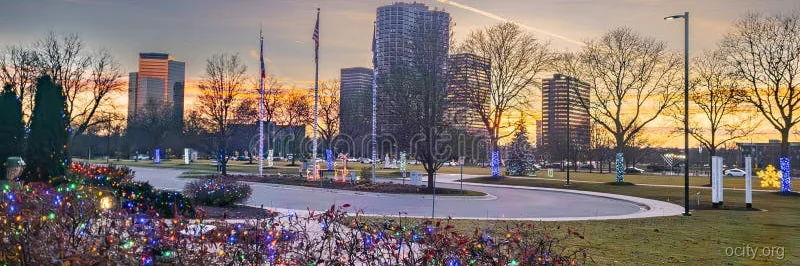
Southfield, on the other hand, is pure Midwest suburbia with a corporate edge. Located just 15 miles northwest of downtown Detroit, it’s a hub for engineering, automotive, and tech companies. The vibe is professional, orderly, and fast-paced. It’s a city of office parks, well-manicured subdivisions, and easy access to the cultural and sports offerings of a major city. Southfield is for the career-driven professional, the family seeking top-rated schools, and the suburbanite who wants big-city perks without the downtown price tag.
Who is it for?
This is where the rubber meets the road. You might earn a similar salary in both cities, but your purchasing power can differ dramatically. Let's break down the cost of living.
TABLE: Cost of Living Snapshot
| Category | Albuquerque | Southfield | The Takeaway |
|---|---|---|---|
| Median Home Price | $300,100 | $244,900 | Southfield wins on pure home price. |
| Rent (1BR) | $1,005 | $1,029 | Virtually a tie. Albuquerque is 2% cheaper for renters. |
| Housing Index | 88.8 (12% below nat'l avg) | 93.0 (7% below nat'l avg) | Albuquerque offers slightly better housing value. |
| Median Income | $67,907 | $65,497 | Albuquerque has a marginally higher median income. |
| Sales Tax | 8.875% (Combined) | 8% (Combined) | Albuquerque is slightly more expensive for daily purchases. |
Salary Wars: The $100k Test
Let's say you earn $100,000. Where does it feel like more?
In Albuquerque, with a median home price of $300,100, your $100k salary gives you a much stronger position. The price-to-income ratio is more favorable, meaning you can afford a home with a smaller percentage of your income. The overall cost of goods and services is lower, and while the sales tax is a bit higher, the lack of state income tax in New Mexico (which tops out at 4.9%) helps offset it compared to Michigan's flat 4.25% income tax. Your dollar stretches further for housing and daily life.
In Southfield, your $100k is still strong, but it faces more competition. The median home price of $244,900 is lower, but the property taxes in Michigan are notoriously high (often 1.5-2% of assessed value). A $250k home could easily have $4,000-$5,000 in annual property taxes. This eats into your purchasing power. The cost of living is slightly higher across the board (groceries, utilities), and Michigan's income tax is a fixed 4.25%. You'll live comfortably, but you'll feel the financial pinch more than in Albuquerque.
The Verdict on Dollar Power: For pure housing value and overall affordability, Albuquerque edges out Southfield. The lower median home price combined with a slightly higher median income gives you more bang for your buck.
Albuquerque:
The market here is balanced but leaning toward a seller's market. Inventory is relatively tight, which has kept prices climbing steadily. With a Housing Index of 88.8, it's still more affordable than the national average, but competition for well-priced homes is real. Renting is a viable, affordable option, with $1,005 for a one-bedroom being very reasonable. However, the rental market is also competitive, so you need to act fast.
Southfield:
Southfield presents a more complex picture. The median home price of $244,900 is attractive, but the market is highly influenced by the broader Metro Detroit area. It's a buyer's market in many suburbs, with more inventory and less bidding wars than in hot coastal cities. However, the Housing Index of 93.0 is higher than Albuquerque's, meaning it's slightly less affordable relative to the national average. Renting at $1,029 is on par with Albuquerque, but you're likely getting a more modern unit in a newer complex. The big caveat here is property taxes, which can be a massive long-term burden for homeowners.
The Verdict: If you're looking to buy, Southfield's lower sticker price is tempting, but you must do the math on property taxes. For renters, it's a toss-up, but Albuquerque offers slightly better value. Albuquerque feels like a more predictable, stable market for first-time buyers.
This is where the cities diverge completely.
Let's be direct: this is a stark contrast.
After sifting through the data and the vibes, clear winners emerge for different life stages.
🏆 Winner for Families: Southfield
The combination of significantly lower violent crime, access to top-tier suburban school districts, and proximity to family-friendly activities in the Metro Detroit area makes Southfield the safer, more structured choice. The higher property taxes are the trade-off for better services and safety.
🏆 Winner for Singles/Young Pros: Albuquerque
For the young professional who values lifestyle over corporate ladder climbing, Albuquerque wins. The lower cost of living means you can afford a better apartment or save for a house faster. The outdoor access (hiking, skiing, biking) is world-class, and the social scene is unique and affordable. The crime rate is a major caveat—you need to be street-smart and choose your neighborhood wisely.
🏆 Winner for Retirees: Albuquerque
Hands down. The mild, dry winters are easier on aging joints than Michigan's brutal cold and snow. The lower cost of living stretches retirement savings further. The vibrant arts scene, rich culture, and sunny skies contribute to a higher quality of life. The healthcare system is adequate, and the pace of life is perfect for relaxation.
PROS:
CONS:
PROS:
CONS:
The Bottom Line: Choose Albuquerque if you prioritize affordability, sunshine, and a unique lifestyle and are willing to navigate safety concerns. Choose Southfield if you prioritize safety, strong schools, and big-city access and can handle Michigan winters. Your decision ultimately comes down to what you're willing to trade: sun for safety, or affordability for amenities.