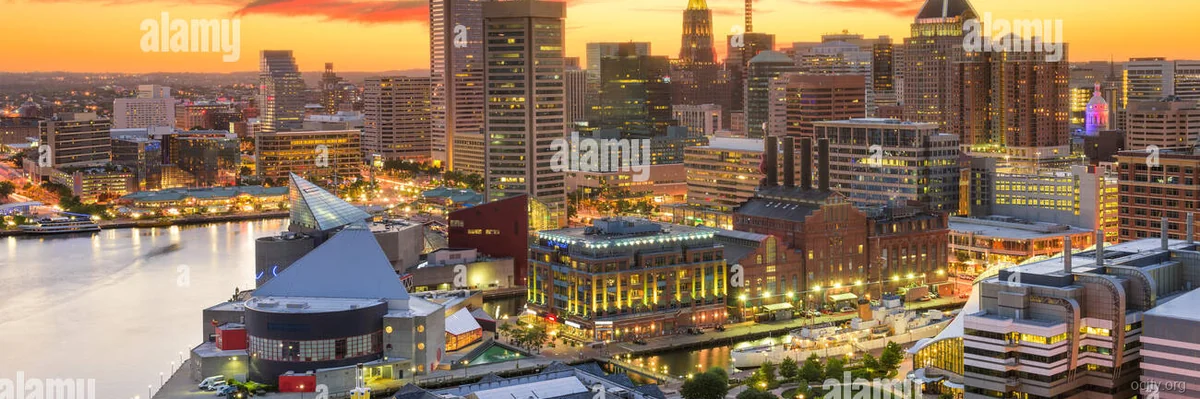
Best Neighborhoods in Baltimore, MD (2026 Guide)
Directional 2026 editorial snapshot: Rent figures, relative price labels, business references, development activity, school context, walkability notes, and commute observations below are directional January 2026 editorial references—not live rent quotes, active listings, transit schedules, crime statistics, school ratings, future-development guarantees, or investment advice. Conditions can differ substantially by block and exact address.
Quick Compare: Baltimore 2026 — The Insider's Shortlist
| Neighborhood |
Vibe |
Price Score (vs. $1,582) |
Best For |
| Canton |
Waterfront social hub |
$$$ |
Adults seeking nightlife and harbor access |
| Fells Point |
Historic waterfront nightlife |
$$$ |
Night owls and hospitality workers |
| Hampden |
Independent rowhouse district |
$$ |
Creatives and young families |
| Mount Vernon |
Cultural and academic center |
$$ |
Graduate students, arts workers, and museum regulars |
| Roland Park |
Classic North Baltimore residential area |
$$$ |
Established households seeking yards and private-school proximity |
| Butchers Hill |
Quiet historic rowhouse enclave |
$$ |
Pet owners, professionals, and waterfront commuters |
| Pigtown |
Lower-cost rowhouse and rail-adjacent area |
$ |
First-time buyers and DC-bound commuters |
Directional rent context
| Neighborhood |
Directional 2026 Rent Check |
Relative to $1,582 Baseline |
| Canton |
~$1,950 |
~20% above |
| Fells Point |
~$2,000 |
~27% above |
| Hampden |
~$1,750 |
~10% above |
| Mount Vernon |
~$1,700 |
~7% above |
| Roland Park |
~$1,900 |
~20% above |
| Butchers Hill |
~$1,650 |
~4% above |
| Pigtown |
~$1,350 |
~15% below |
These figures are useful for comparing the shortlist, but they should not be used as quotes. Unit size, renovation level, parking, utilities, lease term, and proximity to nightlife or transit can move an individual rent far above or below these directional ranges.
The 2026 Vibe Check
Baltimore's neighborhood choices can feel increasingly defined by convenience, housing condition, and block-level access to jobs, parks, nightlife, and transit. Harbor East remains a higher-cost employment and retail center, while Canton, Fells Point, Brewers Hill, Highlandtown, and other east-side neighborhoods each have distinct housing stock and commercial corridors. Harbor East is not directly expanding into Highlandtown: Fells Point and Canton sit between them, and any pricing or development effects are indirect rather than a continuous boundary shift.
The I-83 corridor remains important for residents weighing access to Hampden, Remington, Charles Village, Mount Vernon, Penn Station, and North Baltimore. Hampden has moved from an alternative choice to a more established option for people who want rowhouse living, restaurants, and a walkable commercial strip. Interest in Charles Village, Remington, Roland Park, and Mount Washington can vary with university activity, inventory, and household preferences, so do not treat broad “hotness” claims as a substitute for address-level comparison.
Southwest of downtown, Baltimore Peninsula—formerly marketed as Port Covington—is a long-horizon redevelopment area. Pigtown is nearby but separated from Baltimore Peninsula by major roads, rail infrastructure, and industrial parcels; development in one should not be assumed to produce immediate changes in the other. Pigtown and Brewers Hill can merit comparison for buyers seeking a lower initial purchase price than the waterfront core, but neither is a guaranteed “value play.”
A practical Baltimore search is less about finding one universally best neighborhood and more about choosing between: paying more for walkable convenience, accepting a quieter or more car-dependent setting, or taking on more block-by-block variability in exchange for a lower entry cost.
The Shortlist
Canton
- The Vibe: Waterfront social hub with rowhouses, newer apartments, restaurants, and a heavily used bar district around O'Donnell Square.
- Rent Check: ~$1,950, or roughly 20% above the $1,582 editorial baseline.
- The Good: Canton has strong daily walkability around Eastern Avenue, Boston Street, O'Donnell Square Park, and the waterfront. The square functions as a neighborhood gathering point, while nearby restaurants and bars make it easy to build a social routine without driving. Can Company is a significant office-and-retail complex in the area; confirm its current tenant mix and redevelopment activity before treating it as an amenity.
- The Bad: Parking can be difficult on Friday and Saturday nights, especially near the square and active commercial blocks. Bar noise, delivery traffic, and visitor parking are meaningful address-level trade-offs. Reported theft and property incidents should be reviewed by address and date rather than assumed from neighborhood reputation.
- Walkability and commute context: Canton is highly walkable for food, drinks, errands, and waterfront recreation. It is convenient to Harbor East and downtown by bike, bus, rideshare, or car, but Baltimore's stadiums are not a routine walk from most Canton addresses. Test peak-hour routes to I-95, downtown, and Harbor East before signing a lease.
- Best For: Residents who prioritize waterfront access, a social calendar, and a walkable restaurant-and-bar district.
- Insider Tip: Little Italy can make a good separate evening outing, including seasonal outdoor music and opera programming when offered. It is not a quick walk from most of Canton, so plan transportation accordingly. Restaurant turnover is frequent; the former Nacho Mama's reference should be treated as local history rather than a current recommendation.
Fells Point
- The Vibe: Historic waterfront nightlife in a dense maritime district with cobblestones, old rowhouses, hotels, and busy weekend foot traffic.
- Rent Check: ~$2,000, or roughly 27% above the $1,582 editorial baseline.
- The Good: Fells Point offers some of Baltimore's strongest waterfront atmosphere. The Promenade, historic streets, and harbor views are major draws, while venues such as The Horse You Came In On Saloon and Max's Taphouse have long anchored its bar scene. The Point in Fells and other brunch-oriented businesses can make weekends lively; verify current operators and hours.
- The Bad: Tourism, bachelor and bachelorette groups, late-night crowds, delivery activity, and weekend noise are part of the trade-off. Sidewalk conditions and cleanup can vary after busy nights. Rather than relying on broad crime characterizations, review official reported incidents around the specific block, building entrance, parking area, and intended walking route.
- Walkability and commute context: The neighborhood is exceptionally walkable for dining, nightlife, harbor paths, Harbor East, and parts of downtown. Water taxi service can be a useful supplemental harbor connection when operating, including toward Harbor East and Fort McHenry-area destinations, but it should not be treated as a guaranteed daily commute. Verify routes, operating days, weather limitations, fares, and last departures.
- Best For: Nightlife-oriented residents, hospitality workers, and people who value historic character over quiet weekends.
- Insider Tip: For a quieter morning, look beyond the busiest parts of Broadway and Thames Street and confirm current coffee options before going. A previous suggestion of Ceremony Coffee Roasters on Thames Street should not be treated as a reliable current Fells Point location. Likewise, confirm the current operator and public access before seeking any “Admiral's House” back entrance.
Hampden
- The Vibe: Independent rowhouse district centered on The Avenue, with a strong local-business identity and a mix of long-term residents, artists, students, and families.
- Rent Check: ~$1,750, or roughly 10% above the $1,582 editorial baseline.
- The Good: Hampden's 36th Street commercial strip—known as The Avenue—supports an unusually walkable routine of restaurants, shops, bars, and neighborhood services. The broader Hampden/Remington area gives residents access to a varied food-and-drink scene. W.C. Harlan is in nearby Remington rather than Hampden proper, but it is part of the wider north-central city nightlife circuit.
- The Bad: Narrow rowhouse streets can make parking difficult, and popular weekends can bring crowds to The Avenue. Housing close to the commercial core may carry a convenience premium. The neighborhood's curated retail and restaurant identity will appeal to some residents and feel less relaxed to others.
- Walkability and commute context: Hampden is strong for daily walking around The Avenue and for access to nearby Stony Run and Wyman Park. Druid Hill Park is not immediately adjacent to most of Hampden; it is a longer walk, bike ride, or short drive depending on address. I-83 access can be useful for north-south driving, but congestion and ramp access should be tested during actual commute hours.
- School Context: Hampden Elementary/Middle is a nearby public-school option, but it should not be described as automatically assigned, universally top-tier, or appropriate for every household. Baltimore City school enrollment, program availability, capacity, transportation, and any address-based eligibility must be verified directly with Baltimore City Public Schools.
- Best For: Residents who want walkable rowhouse living, local businesses, and an active neighborhood identity without the cost profile of Roland Park.
- Insider Tip: The Avenue is busiest on weekends. For a quieter visit, explore side streets and confirm current daytime options before setting out. The previous “Bluebird Cafe” reference should be understood cautiously: Bluebird Cocktail Room is a bar, not a daytime café, and current hours or operators may change. Soup's On and other neighborhood businesses are worth confirming before making a special trip.
Mount Vernon
- The Vibe: Baltimore's cultural and academic center, with historic apartment buildings, institutions, parks, restaurants, and a high concentration of students and arts workers.
- Rent Check: ~$1,700, or roughly 7% above the $1,582 editorial baseline.
- The Good: Mount Vernon places residents near the Washington Monument, Peabody Library, the Walters Art Museum, theaters, universities, and Charles Street architecture. It works particularly well for people who want cultural programming, older building character, and a downtown-adjacent lifestyle.
- The Bad: Some large institutional blocks and nearby downtown superblocks can reduce street-level activity outside event hours. Parking can be costly or limited, particularly for residents without a reserved space. Activity around Penn Station, Charles Center, and nearby service hubs varies by route and time of day; visit the exact walking path you expect to use rather than relying on generalized descriptions of people in public space.
- Walkability and commute context: The Walters is in Mount Vernon, while the Baltimore Museum of Art is in Charles Village and is not a 10-minute walk from most Mount Vernon addresses. Penn Station is accessible on foot from parts of the neighborhood, though timing depends on the building location and terrain. Charles Street can be useful for bus service and north-south trips.
- Best For: Graduate students, museum and university employees, arts workers, and residents who value cultural access over private outdoor space.
- Insider Tip: The Bun Shop is on West Read Street, not Mount Vernon Place. It remains a useful reference point for casual food and coffee if operating, and the monument steps can be a pleasant place to sit during active daytime hours.
Roland Park
- The Vibe: Classic North Baltimore residential area with larger homes, mature trees, institutional anchors, and a quieter pace than the waterfront neighborhoods.
- Rent Check: ~$1,900, or roughly 20% above the $1,582 editorial baseline.
- The Good: Roland Park is a leading city option for households seeking single-family homes, yards, mature landscaping, and a residential setting while retaining a Baltimore address. Roland Park Country School and Gilman School are nearby and contribute to the area's private-school ecosystem, though private-school proximity is not the same as public-school assignment.
- The Bad: The neighborhood offers less nightlife and fewer spontaneous walk-to-everything routines than Canton, Fells Point, Hampden, or Mount Vernon. Downtown and Inner Harbor drives can be manageable at off-peak times but vary widely with traffic, weather, events, and the exact address. The social environment is generally more residential and private-school-oriented than the waterfront core.
- Walkability and commute context: Roland Park is walkable for local residential streets and select retail clusters, but many errands and city destinations are easier by car. The Roland Park Shopping Center is an important local anchor, but it does not contain a Giant or Walmart; confirm current grocery, pharmacy, and retail tenants before relying on it for daily needs.
- School Context: Families should separately evaluate Baltimore City public-school options, private-school admissions, transportation, tuition, and enrollment timing. Neither neighborhood name nor proximity to Gilman or Roland Park Country School guarantees admission or assignment.
- Best For: Households seeking larger homes, more green space, and a quieter residential rhythm while staying within city limits.
- Insider Tip: The Village of Cross Keys is a nearby planned residential-and-retail complex that can be useful for errands, dining, and informal work meetings. Its retail lineup changes, so verify current coffee and food tenants; the prior Blueprint coffee-shop reference should not be assumed current.
Butchers Hill
- The Vibe: Quiet historic rowhouse enclave between Patterson Park and the Fells Point/waterfront orbit.
- Rent Check: ~$1,650, or roughly 4% above the $1,582 editorial baseline.
- The Good: Butchers Hill offers historic architecture, hilly streets, and access to Patterson Park while remaining close to Fells Point. Many blocks feel more residential than the waterfront nightlife districts, and upper streets can offer attractive sightlines toward the harbor or skyline.
- The Bad: The neighborhood is comparatively quiet, so residents looking for a bar on every block may prefer Fells Point, Canton, or Hampden. The hills are real, which can affect biking, stroller use, winter walking, and parking. As elsewhere in Baltimore, evaluate reported theft and break-in patterns around the precise address, alley, garage, and street-parking setup rather than assuming a neighborhood-wide risk level.
- Walkability and commute context: Patterson Park is a primary daily amenity. Fells Point and waterfront destinations are walkable from many addresses, though timing varies by block, slopes, and the route chosen. The Johns Hopkins East Baltimore medical campus can be reachable by bike, transit, or a longer walk depending on the address; verify door-to-door travel time for work or classes.
- Best For: Professionals, medical and law students, pet owners, and residents who want Fells Point access with more residential evenings.
- Insider Tip: Walk the upper blocks near Patterson Park at sunset to assess the hill, street lighting, and views for yourself. The prior claim about a specific skyline view at South Baltimore Street and Eastern Avenue is too location-specific to rely on without an in-person visit.
Pigtown
- The Vibe: Longstanding southwest Baltimore rowhouse neighborhood with rail and industrial history, a lower-cost housing profile, and substantial block-by-block variation.
- Rent Check: ~$1,350, or roughly 15% below the $1,582 editorial baseline.
- The Good: Pigtown can offer lower rents and purchase prices than many waterfront neighborhoods. Some rowhouse listings may appear below $250,000, and occasionally below $200,000, but these are directional observations rather than a statement about current inventory, condition, financing, or resale value. Its relatively flat streets can be useful for dog walking and biking.
- The Bad: Full-service grocery access can be more limited or less convenient than in Roland Park, Canton, or Hampden, making a car, delivery plan, or regular transit trip more useful for larger shopping runs. Industrial parcels, highway infrastructure, and uneven commercial activity are part of the setting. Visit at multiple times of day and review official reported incidents for your address and walking routes rather than applying a broad crime label to the entire neighborhood.
- Walkability and commute context: Camden Station, near Oriole Park, is not located within Pigtown but can be reachable from parts of the neighborhood by walking, biking, local transit, or a short ride. MARC's Camden Line can serve Washington, DC's Union Station, but schedule frequency, operating days, service disruptions, station access, and total door-to-door travel time must be checked. A 45-minute DC commute is not a reliable promise; many trips take longer once access time, waiting, and final destination travel are included.
- Best For: First-time buyers, budget-conscious renters, and commuters whose schedule genuinely aligns with MARC Camden Line service.
- Insider Tip: Pigtown Main Street is a neighborhood organization rather than a restaurant or bar. References to businesses on West Heath Street, including Push & Pull, should be confirmed for current location and operating status. Likewise, verify the current status and location of any “Pigtown Dog Park” reference before planning around it.
Exact-Address Verification Before You Lease or Buy
Neighborhood labels are useful starting points, but they are not enough for a Baltimore housing decision. Complete this verification for every finalist address.
Confirm official boundaries and the property location.
Check the address, tax parcel, zoning, and official City planning or mapping records. Neighborhood boundaries can differ among City maps, real-estate listings, community associations, and resident usage. Do not assume a listing labeled “Canton,” “Fells Point,” “Butchers Hill,” or “Roland Park” falls within the boundary you expect.
Review reported incidents by address, route, and date range.
Use official Baltimore Police or City incident data to review reported incidents near the building, parking space, alley, transit stop, and normal walking route. Compare several recent periods rather than relying on a single event or a neighborhood-wide crime label. Reported incidents do not capture all activity and do not predict an individual's experience.
Verify transit from the actual front door.
Confirm the nearest stop, walking route, accessibility, operating days, transfer requirements, and late-night return options through Maryland Transit Administration and MARC schedules. Test the trip at the hour you would actually leave for Harbor East, downtown, Penn Station, the Johns Hopkins medical campus, I-83, I-95, or Washington, DC.
Verify school assignment and enrollment directly.
Baltimore City Public Schools may use choice, programs, capacity rules, transportation criteria, and address-based eligibility that differ by grade and school. Confirm enrollment options, assignment rules, waitlists, transportation, and special-program requirements directly with the district. Do not treat proximity to Hampden Elementary/Middle, a private school, or any neighborhood as a guarantee of enrollment.
Write an address-by-address comparison.
Before applying or making an offer, create a written comparison of at least two or three finalist addresses. Include total monthly housing cost; parking; utility responsibility; grocery access; noise at weekday and weekend hours; daylight and street lighting; reported incidents near the route; transit frequency; actual work or school commute time; park access; school enrollment options; and any repair, flood, permit, HOA, or zoning concerns. A written comparison makes trade-offs visible and prevents a neighborhood reputation from doing all the decision-making.
Audience and Traffic Decision Pathways
For Families
- Roland Park is the strongest fit for households prioritizing yards, larger homes, mature streets, and proximity to private-school options. Expect a more car-dependent routine and confirm public-school enrollment separately.
- Hampden works for families who prefer a walkable commercial strip, rowhouse living, nearby parks, and a more active neighborhood setting. Verify school choice and parking before deciding.
- Butchers Hill is a useful third option for households drawn to Patterson Park and historic housing, particularly if Fells Point access matters more than a large yard.
For Harbor East, Inner Harbor, and Downtown Workers
- Canton and Fells Point offer the most direct lifestyle fit for people who want to walk, bike, or take short trips to Harbor East and downtown, with higher rent and more nightlife activity as the trade-off.
- Butchers Hill can provide a quieter residential base with access to Patterson Park and the Fells Point waterfront orbit.
- Highlandtown can be worth comparing for households willing to trade immediate waterfront access for different housing stock and commercial corridors. Verify each address's transit and bike route rather than assuming the same commute as Canton or Fells Point.
For Penn Station, I-83, University, and North-Central City Trips
- Mount Vernon is the cultural and transit-oriented choice for residents who want access to Penn Station, downtown institutions, Peabody, and the Walters.
- Hampden can work well for I-83 access and a walkable neighborhood routine, while Remington and Charles Village may be relevant comparison areas for university-affiliated residents.
- Roland Park and Mount Washington offer a more residential setting but usually require more driving for downtown nightlife and harbor destinations.
For MARC, I-95, Baltimore Peninsula, and DC-Bound Commutes
- Pigtown is worth considering if your schedule aligns with Camden Line service and you are willing to verify the full walk-to-station and station-to-office trip. It is not the only financially sensible option, and it should not be chosen on a promised 45-minute DC commute.
- Baltimore Peninsula and Pigtown are nearby in a broad southwest Baltimore sense but are separated by major infrastructure. Test driving, biking, bus, and walking routes rather than assuming a simple connection.
- West Baltimore MARC Station is a separate station northwest of downtown on the Penn Line, not a direct Pigtown rail stop. It should not be used as evidence of immediate Pigtown transit improvement.
For a Lower Entry-Cost Comparison
- Pigtown remains the primary lower-cost comparison on this shortlist, particularly for buyers willing to assess property condition, street-by-street variation, grocery access, rail schedules, and long-term maintenance.
- Brewers Hill can be a runner-up for buyers seeking east-side access, but it generally carries a different price profile. The Natty Boh tower is in Brewers Hill, while Can Company is in adjacent Canton; neither landmark guarantees future appreciation.
- Avoid immediate purchase-and-five-year-hold framing. Compare financing, taxes, insurance, repairs, resale risk, neighborhood plans, transit realities, and your own expected length of stay before treating any Baltimore address as an investment decision.