Verify the exact home
Check the current listing, lease terms, deposits, utilities, insurance and recurring fees. A citywide median is not a property quote.
From central districts to quieter residential areas, use this guide to build a Dover shortlist, then verify the exact address and current conditions.
Address-level verification workflow
The editorial guide below can help build a shortlist, but rents, home values, safety, schools and travel times can differ by block and change quickly. Complete these checks before signing or buying.
Check the current listing, lease terms, deposits, utilities, insurance and recurring fees. A citywide median is not a property quote.
Use the local police or open-data portal for the exact address and relevant time period. Citywide rates cannot prove block-level risk.
District and attendance boundaries can change. Verify the exact address with the district before relying on a school assignment.
Travel the route at the hours you would use it and include parking, transfers, tolls and weather—not only an off-peak estimate.
Combine housing, transportation, taxes, insurance, childcare and debt. Neighborhood fit depends on the household, not a universal winner.
Walk the area during daytime and evening, check noise and services, and speak with qualified local professionals where appropriate.
Dover's neighborhoods are deceptively diverse. One street feels like a historic New England village, another is a commuter's dream, and a third is a suburban enclave where kids still ride bikes to the park. Choosing wrong means a longer commute or overpaying for a house that doesn't fit your lifestyle. Choosing right means you're living like a local within six months.
| Neighborhood | Vibe | Rent Range | Best For | Walk Score |
|---|---|---|---|---|
| Downtown/Cochecho | Historic, walkable, lively | $1,800-$2,400 | Young professionals, empty nesters | ~78 |
| South Dover | Suburban, family-focused | $1,600-$2,000 | Families with young kids | ~45 |
| Garrison Hill | Quiet residential, scenic | $1,700-$2,100 | Remote workers, nature lovers | ~55 |
| Madbury Road Corridor | Convenient, commuter hub | $1,500-$1,900 | Budget-conscious commuters | ~60 |
| Six Points/Fox Meadow | Established, spacious lots | $1,650-$2,200 | Growing families, space seekers | ~40 |
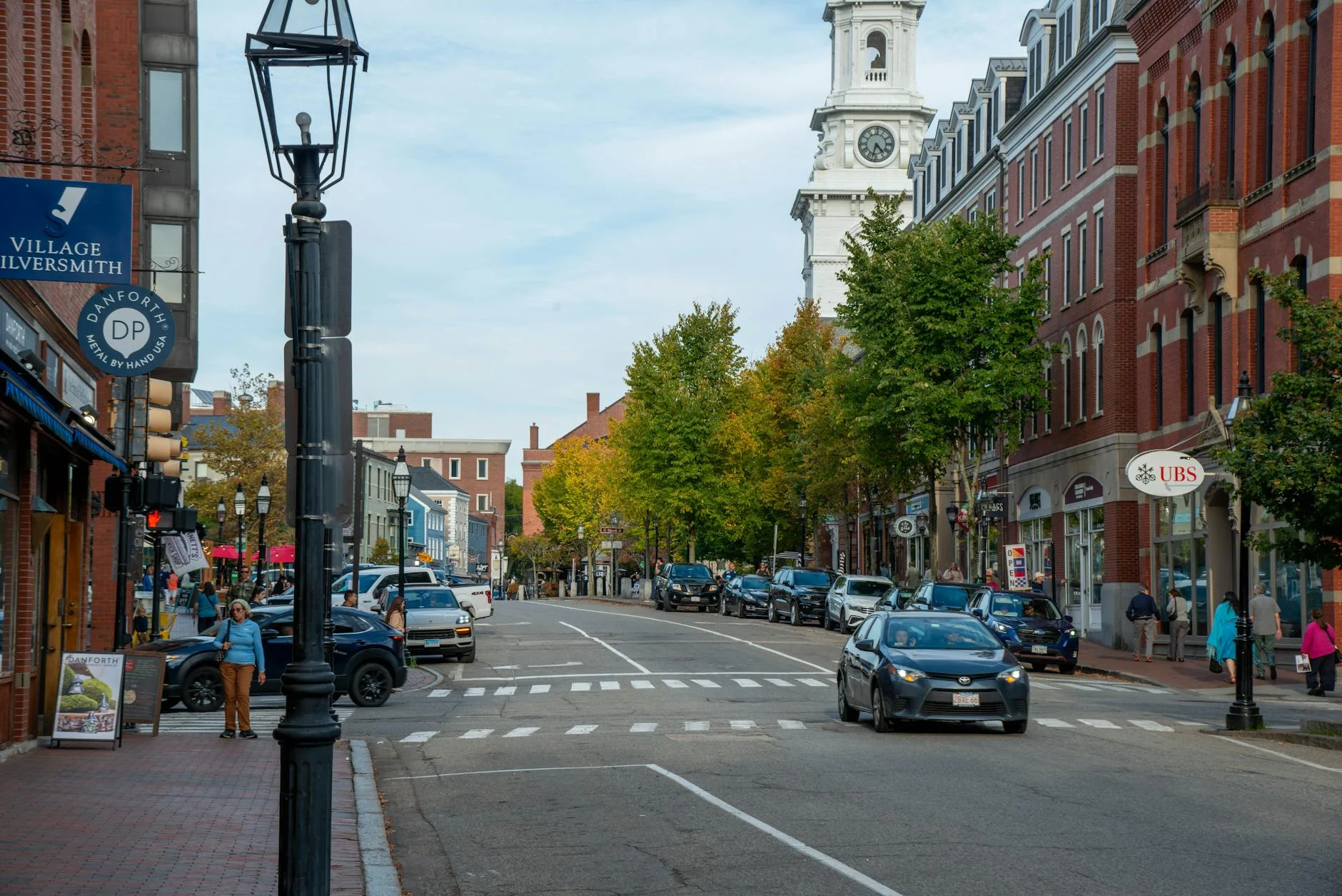
Overview: The beating heart of Dover. Centered around the Cochecho River and historic mills converted into lofts and restaurants, this is where Dover's revitalization is most visible. Think brick buildings, the Clock Tower, and actual sidewalks you can use.
The Numbers:
Local Intel: Parking is a nightmare if your apartment doesn't include a spot—avoid Chestnut Street units without dedicated parking. The riverwalk is fantastic for morning runs, but it gets crowded on summer weekends. The Cochecho Riverwalk connects directly to the Garrison Hill trail system if you know the access point behind the mill buildings.
Who Thrives Here: Young professionals who want to walk to drinks after work and retirees who want to downsize without losing amenities.
Pros & Cons:
Schools: Dover School District (rated B+). Dover High School is solid, but elementary options are average for the region.
The Verdict: Move here if you want urban energy and walkability. Avoid if you need a dedicated home office space or peace and quiet after 10 PM.
Overview: The classic suburban slice of Dover, anchored by the massive Dover Community Park and the Dover Public Library. This is where families put down roots—think 1970s-1990s colonials on quarter-acre lots.
The Numbers:
Local Intel: The Dover Community Park on Hancock Street has one of the best playgrounds in the Seacoast, and it's fully fenced—crucial for parents. The Hannah Dustin Trail runs through here, great for walking the dog but not heavily patrolled, so lock your bikes. Traffic on Route 108 backs up at the Dover High School drop-off from 7:30-8:15 AM—use Cedar Street as a cut-through.
Who Thrives Here: Families with kids in elementary/middle school who want a yard and predictable suburban life.
Pros & Cons:
Schools: Dover School District (B+). Horatio O. Smith Elementary is well-regarded; Dover Middle School is average.
The Verdict: Perfect for families prioritizing space and schools over nightlife. Young professionals will go stir-crazy here.
Overview: Elevated residential neighborhood with tree-lined streets and Garrison Hill Park at its center—Dover's best sledding hill in winter and a disc golf course year-round. The area feels tucked away but is minutes from everything.
The Numbers:
Local Intel: The Garrison Hill Disc Golf Course is a hidden gem—free, well-maintained, and draws a low-key crowd. Hillcrest Drive has the best views of the city. The Dover Community Trail connects here, giving you a paved path to Downtown or South Dover without dealing with traffic. Winter parking bans are strictly enforced on Hillcrest and Garrison streets—know your alternate lot.
Who Thrives Here: Remote workers who want quick nature access but easy downtown trips. Dog owners who need trails.
Pros & Cons:
Schools: Dover School District (B+). Decent elementary options, but not as close as South Dover.
The Verdict: Ideal for those who want a quiet residential feel with easy downtown access. Avoid if you need apartment amenities or want to walk to coffee.
Overview: The practical choice. This stretch along Madbury Road (Route 108) offers the best commute value—close to Pease Tradeport, I-95, and Downtown without the premium price tag. It's a mix of older apartments, condos, and small single-families.
The Numbers:
Local Intel: Madbury Road itself is the main artery—traffic is heaviest 7:30-8:30 AM and 4:30-5:30 PM, but it's a straight shot. The Dover Food Court (inside the Dover Mall area) is a cheap lunch spot. Hannah's Restaurant on Madbury Road is a local diner gem. The Dover Community Trail has an access point near Madbury Road and Portland Avenue—use it to avoid walking on the busy road.
Who Thrives Here: Commuters to Pease Tradeport or Portsmouth who want to minimize drive time. Budget-conscious renters who still want city access.
Pros & Cons:
Schools: Dover School District (B+). Schools are a short drive, not walkable.
The Verdict: Move here if your life revolves around commuting and you want to save money. Avoid if you care about walkability or neighborhood aesthetics.
Overview: The "hidden" residential area tucked behind Six Points Plaza (shopping center with Market Basket, Walgreens, etc.). Established 1970s-80s homes on larger lots, very quiet, and feels more suburban than it is.
The Numbers:
Local Intel: Fox Meadow Drive and Cedar Lane have the best lots—many back up to wooded areas. Six Points Plaza has everything you need day-to-day: Market Basket (best grocery prices), Dunkin', pharmacy, and liquor store. The Dover Community Trail runs behind the plaza, giving you a sneaky walking route to Downtown (about 25 minutes on foot). Fox Meadow Park is a small, fenced playground perfect for toddlers.
Who Thrives Here: Growing families who need space and convenience but don't want to be in a true suburban cul-de-sac.
Pros & Cons:
Schools: Dover School District (B+). Horatio O. Smith Elementary is close by car.
The Verdict: Perfect for families who prioritize space and practicality. Avoid if you want to walk to dinner or live in a walkable neighborhood.
For Young Professionals: Downtown/Cochecho is the clear winner—walk to bars, hop the train to Boston, and build a social life without driving. If the rent is too high, Madbury Road Corridor gives you a 10-minute drive to downtown for $300 less per month.
For Families: South Dover offers the best school access and park system. If you want slightly more space and a quieter feel, Six Points/Fox Meadow is worth the extra 5-minute drive to amenities.
For Remote Workers: Garrison Hill gives you trail access and a peaceful environment while keeping you 7 minutes from downtown coffee shops when you need them.
Traffic Reality Check: Dover doesn't have true rush hour gridlock, but Route 108 (Madbury Road) and Dover High School area will slow you down 7:30-8:15 AM and 4:30-5:15 PM. Plan around it or live on the right side of town.
Counterintuitive Take: Downtown is actually the best value for retirees who want to downsize—walkable to healthcare, social activities, and you can sell the car (saves $5k+/year). The "suburban" neighborhoods require driving everywhere, which gets expensive and isolating as you age.
Citywide reference fields are not current quotes for a neighborhood or property.
Neighborhood Decisions
The 21st Century ROAD Act could reshape the rental market. But will it actually lower rents?
housingSolo living is a luxury in most metros. Here's exactly what you need to earn in 50 cities.
housingThe 30% rule is dead. Here's what financial planners actually recommend in 2026 — by city.