Verify the exact home
Check the current listing, lease terms, deposits, utilities, insurance and recurring fees. A citywide median is not a property quote.
From central districts to quieter residential areas, use this guide to build a Fremont shortlist, then verify the exact address and current conditions.
Address-level verification workflow
The editorial guide below can help build a shortlist, but rents, home values, safety, schools and travel times can differ by block and change quickly. Complete these checks before signing or buying.
Check the current listing, lease terms, deposits, utilities, insurance and recurring fees. A citywide median is not a property quote.
Use the local police or open-data portal for the exact address and relevant time period. Citywide rates cannot prove block-level risk.
District and attendance boundaries can change. Verify the exact address with the district before relying on a school assignment.
Travel the route at the hours you would use it and include parking, transfers, tolls and weather—not only an off-peak estimate.
Combine housing, transportation, taxes, insurance, childcare and debt. Neighborhood fit depends on the household, not a universal winner.
Walk the area during daytime and evening, check noise and services, and speak with qualified local professionals where appropriate.
2026 Fremont Neighborhood Shortlist
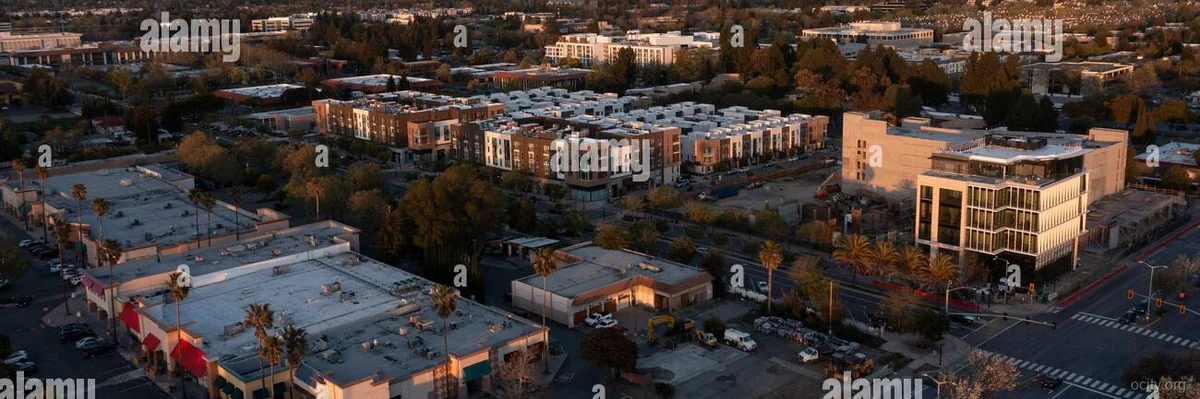
The city's axis is tilting. For a decade, the conversation was about Mission San Jose vs. everyone else. Now, the heat is bleeding south and east. Warm Springs is no longer just a BART stop; it’s a vortex pulling in tech cash and new condo builds, pushing prices up against the Irvington district's older stock. The old industrial spine along Auto Mall Drive is quietly becoming a corridor of high-density housing and trendy warehouse conversions, isolating the northern Niles enclave even further as the city’s antique heart. You want a deal? You have to look at where the construction dust hasn't settled yet.
Right now, Fremont feels like a city holding its breath between two identities. You have the established, hyper-competitive, school-obsessed identity of Mission San Jose, where tear-downs on Shawnee Lane still fetch over $2.2M, and the market is exclusively for cash-heavy families playing the long game for Mission San Jose High School. It’s quiet, manicured, and frankly, stifling for anyone without kids. Then you have the rising tide in Warm Springs. The area around the Warm Springs/South Fremont BART station is the new downtown in all but name. The Pacific Commons shopping center is the nexus, but the real action is the new residential towers going up on Stevenson Boulevard. The demographic is shifting younger; tech workers who want a 10-minute commute to the Dumbarton Bridge but don’t want the Palo Alto price tag. The friction point is Irvington. It’s stuck in the middle—good bones, decent schools, but suffering from an identity crisis. It’s getting gentrified from the south but it hasn't caught up yet. The dive bars on Washington Boulevard are still there, but the coffee shops are getting a lot more expensive. If you’re looking for a deal, watch the Niles district. It’s geographically isolated, almost a ghost town after 6 PM, but the historic charm and the Niles Canyon Railway give it a unique, sleepy inertia that developers haven't figured out how to monetize fully yet.
Citywide reference fields are not current quotes for a neighborhood or property.
Neighborhood Decisions
The 21st Century ROAD Act could reshape the rental market. But will it actually lower rents?
housingSolo living is a luxury in most metros. Here's exactly what you need to earn in 50 cities.
housingThe 30% rule is dead. Here's what financial planners actually recommend in 2026 — by city.