The Big Items: Where Your Paycheck Goes to Die
The bulk of your financial burden in Santa Clarita will come from three distinct areas, and they interlock in a way that squeezes your budget from both ends.
Housing: The Equity Gamble
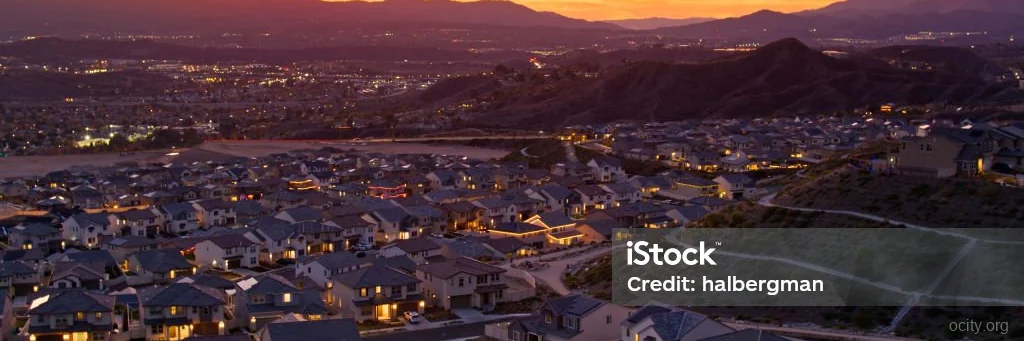
Let’s talk about the elephant in the room: housing. The median rent for a 2-bedroom unit is $2,601. If you are renting, you are essentially paying a premium for flexibility, but you are also subject to the whims of a market that is historically tight. Buying, however, is a different beast of burden. With median home prices hovering significantly higher than the national average, you are looking at a massive entry cost. The trap here is the mortgage rate environment combined with California property taxes. While the property tax rate is roughly 1.0%, on a median-priced home, that translates to a massive annual dollar amount—money that is simply gone, not building equity. The "market heat" is driven by a lack of inventory; Santa Clarita is a bedroom community for the greater LA area, meaning you are competing with commuters who have higher salaries. You aren't just buying a roof; you are buying into a school district and a commute, and the premium for that convenience is steep.
Taxes: The Golden State Squeeze
California is famous for its taxes, and Santa Clarita residents pay their full share. First, look at income tax. The state marginal rate kicks in fast, meaning a single earner making $65,168 is already losing roughly 9.3% of every additional dollar earned to the state Franchise Tax Board. Then there is the sales tax, which sits at 9.25% in Santa Clarita. Every single retail purchase—whether it's a new TV or a set of tires—involves a nearly double-digit surcharge. The real "bite," however, is the property tax structure. Even if you manage to buy a home, Prop 13 limits the growth of the assessed value, but the initial assessed value is high. Furthermore, local bonds and measures add parcel taxes that nickel and dime you annually. You have to run the numbers on your net income (after federal and state taxes) because the gross salary is a fiction in California.
Groceries & Gas: The Daily Grind
You will notice the price of milk and eggs immediately. Groceries in Santa Clarita track about 15-20% above the national baseline. This isn't just inflation; it's the cost of doing business in a state with strict agricultural regulations and high labor costs. It hits the wallet hard because it is a non-negotiable weekly expense. Then, you have gas. The price per gallon here fluctuates wildly but consistently stays well above the national average. With the average commute involving significant highway driving, fuel costs become a massive line item. The local variance is minimal because prices are set regionally; you won't find a "cheap" gas station that saves you more than a few cents. You are paying for the privilege of moving through the county infrastructure.