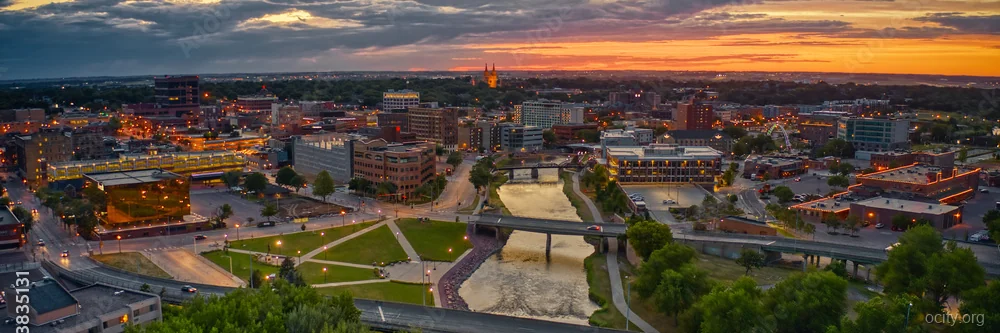
Neighborhood research guide

Where to Live in
Sioux Falls

From central districts to quieter residential areas, use this guide to build a Sioux Falls shortlist, then verify the exact address and current conditions.

Sioux Falls Fast Facts

City home-price reference
$312k
City 1BR rent reference
$884
City violent-crime reference
456/100k
Population
206,405

Address-level verification workflow

Research a Sioux Falls, SD neighborhood without guessing

The editorial guide below can help build a shortlist, but rents, home values, safety, schools and travel times can differ by block and change quickly. Complete these checks before signing or buying.

Verify the exact home

Check the current listing, lease terms, deposits, utilities, insurance and recurring fees. A citywide median is not a property quote.

Check official local safety data

Use the local police or open-data portal for the exact address and relevant time period. Citywide rates cannot prove block-level risk.

Confirm school boundaries

District and attendance boundaries can change. Verify the exact address with the district before relying on a school assignment.

Test the real commute

Travel the route at the hours you would use it and include parking, transfers, tolls and weather—not only an off-peak estimate.

Model the complete monthly cost

Combine housing, transportation, taxes, insurance, childcare and debt. Neighborhood fit depends on the household, not a universal winner.

Visit before deciding

Walk the area during daytime and evening, check noise and services, and speak with qualified local professionals where appropriate.

Top Neighborhoods

Editorial scope. The guide preserves local observations and directional ranges for comparison. Prices, commute conditions, walkability, school context and reported incidents can change or vary by block, route and date. Treat the figures as an editorial snapshot—not a live quote or guarantee—and verify the exact address with current primary sources.

Here is your 2026 Neighborhood Shortlist.


The 2026 Vibe Check

Sioux Falls is finally waking up from its "parking lot city" slumber. The 85th Street corridor is the new unofficial border, and if you’re buying west of I-29 in 2026, you’re paying a premium for the "new build" tax. The real action—and the real investment—is happening inside the original city limits. We're seeing aggressive infill development, particularly in the Cliff Avenue corridor, turning old industrial lots into high-density townhomes. The "East Bank" (the area just east of the Big Sioux River) is gentrifying faster than anyone expected; the smell of roasted coffee is officially drowning out the smell of the old cement plant. However, the divide is stark. The split between the north and south side is widening economically. If you’re looking for walkability, you’re fighting for scraps in the Downtown and Historic Railroad District pockets, where developers are finally tearing down surface lots instead of building them. The city feels less like a giant small town and more like a collection of distinct, warring tribes. Choose your side carefully.

The 2026 Shortlist

Neighborhood Vibe Price Score (1BR) Best For
All Saints Hipster Industrial 1.4x ($1,250+) Young Professionals
Historic McKennan Old Money Stroll 1.3x ($1,150+) Established Families
The Whittier / McKennan Park Urban Academic 1.1x ($975) Medical Staff / Grad Students
Sherman / The Hill Quiet Heights 0.9x ($800) Value Hunters / First-Time Buyers

All Saints / The East Bank

  • The Vibe: Hipster Industrial
  • Rent Check: 1.4x City Avg ($1,250+)
  • The Good: This is the only neighborhood where you can walk to three different third-wave coffee shops (shout out to Coffea Roasterie) and a world-class brewery (Severance Brewing) without crossing a major arterial. The walkability score is the highest in the city. You’re steps from the Falls Park, and the new Steel District development is finally bringing actual retail, not just offices, to the ground floor.
  • The Bad: You are paying for it. Parking is a nightmare if you don’t have a garage; street cleaning is aggressive. The noise from the 8th Street bridge traffic is constant. Also, the "luxury" apartments here have paper-thin walls—if your neighbor slams a door, you hear it.
  • Best For: Tech transplants and young professionals who want to pretend they live in a bigger city without leaving South Dakota.
  • Insider Tip: Walk the Van Eerden Pool path on a Tuesday evening. That’s where the locals go to escape the tourists clogging up the Falls Park boardwalk.

Historic McKennan Park

  • The Vibe: Old Money Stroll
  • Rent Check: 1.3x City Avg ($1,150+)
  • The Good: The architecture here is the best in the city—massive prairie-style homes and immaculate Victorians surrounding the central McKennan Park. It’s quiet, leafy, and feels established. You’re walking distance to the Minnehaha Country Club and the elite private schools. The streets are wide, the sidewalks are brick, and the neighbors actually know each other.
  • The Bad: It’s cliquey. If you didn’t go to Washington High School or work in finance/law, you might feel side-eyed at the block party. Maintenance costs on these 100-year-old homes will destroy your savings if you aren't careful. Most homes lack central A/C or modern electrical.
  • Best For: Established families with kids, doctors at Sanford USD Medical Center, and anyone who values privacy and history over nightlife.
  • Insider Tip: The real estate moves off-market here. Don't rely on Zillow. Drive McKennan Avenue on a Sunday morning; look for "For Sale by Owner" signs that haven't hit the MLS yet.

Whittier / McKennan Park (The Periphery)

  • The Vibe: Urban Academic
  • Rent Check: 1.1x City Avg ($975)
  • The Good: This is the sweet spot for renters who want the proximity to Downtown and the University of Sioux Falls without the All Saints price tag. The streets are a grid, making it genuinely walkable. You’re close to Cherry Rock Park and a quick bike ride to the Sioux Falls Bike Trail. The housing stock is mostly duplexes and small rentals, meaning landlords are actually responsive here.
  • The Bad: It’s a transition zone. Two blocks make a huge difference. You might have a beautifully restored bungalow next to a neglected rental. Street parking is competitive, especially when USF is in session. Police presence is high due to the proximity to the central downtown corridor.
  • Best For: Medical residents working at the nearby hospitals, grad students, and young couples saving for a house in McKennan.
  • Insider Tip: Check out The Breakfast Shop on 12th Street. If you can get a table there on a Saturday, you’re living in the right neighborhood.

Sherman / The Hill

  • The Vibe: Quiet Heights
  • Rent Check: 0.9x City Avg ($800)
  • The Good: This is the last affordable "in-town" neighborhood. It sits on the hill overlooking the industrial valley, offering great views of the city lights without the flood risk. You get bigger yards here than anywhere else inside the loop. It’s the best value play for buying—home prices here haven't exploded yet, but they will once the Downtown core is fully saturated. It’s incredibly quiet at night.
  • The Bad: It’s isolated. There is zero walkability. You are driving for everything—groceries, gas, dinner. The crime rate is slightly higher than the south side, specifically property crime. The housing stock is older and often un-renovated; expect drafty windows and funny smells in the basement.
  • Best For: First-time homebuyers who need space, remote workers who don't commute, and anyone who wants a garage and a yard on a budget.
  • Insider Tip: The hidden gem is Tommy’s Bar on 12th & Sherman. It’s a dive in the truest sense—cash only, stiff drinks, and zero pretension. It’s the anchor of the neighborhood.

Strategic Recommendations

For Families:
Stick to Historic McKennan Park or push further south to The Prairie Hills (not listed above because it's a suburb, not a city neighborhood). Inside the city limits, McKennan is the winner. The yards are massive for backyard baseball, and the proximity to Laura B. Sprague Elementary (a top performer) is unmatched. Avoid the East Bank; the density is too high and the streets are too busy for young kids.

For Wall St / Tech / Commuters:
If your office is in the Downtown core or the Western Corridor, live in All Saints. The commute is under 5 minutes, and you can expense the high rent. If your office is on the far west side (near 41st Street), live in Sherman; you can take Minnesota Avenue to I-29 and beat the rush hour traffic that clogs up the south side.

The Value Play (Buy Before 2027):
Sherman / The Hill. The gentrification wave coming from Downtown is going to crest here next. The bones are good (brick homes, big lots), and it’s priced significantly below the rest of the city. Buy a fixer-upper on Sherman Avenue or 12th Street now; you’ll have significant equity in three years as the city center runs out of inventory.

Housing Market

City home-price reference$312k
City price / SqFt$176
City rent (1BR)$884
City rent (2BR)$1,042

Citywide reference fields are not current quotes for a neighborhood or property.

Neighborhood Decisions

Validate the full Sioux Falls move