Verify the exact home
Check the current listing, lease terms, deposits, utilities, insurance and recurring fees. A citywide median is not a property quote.
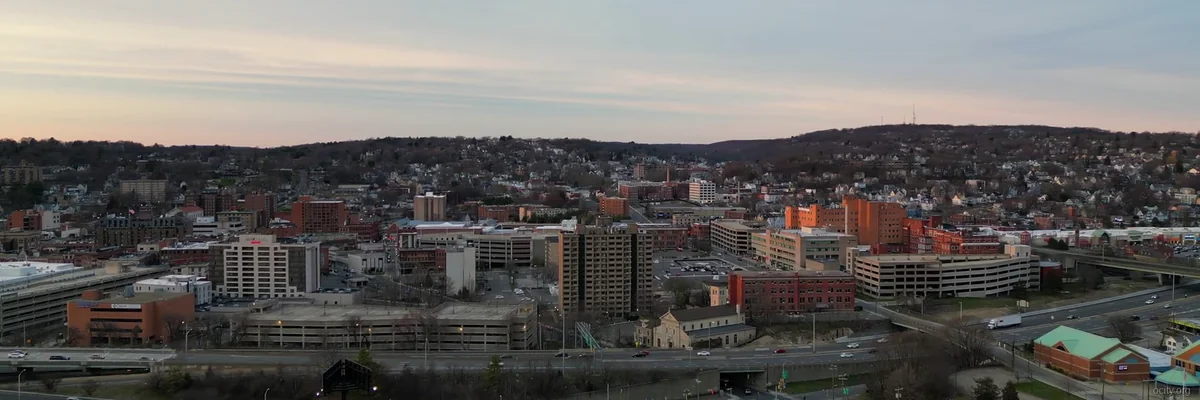
From central districts to quieter residential areas, use this guide to build a Waterbury shortlist, then verify the exact address and current conditions.
Address-level verification workflow
The editorial guide below can help build a shortlist, but rents, home values, safety, schools and travel times can differ by block and change quickly. Complete these checks before signing or buying.
Check the current listing, lease terms, deposits, utilities, insurance and recurring fees. A citywide median is not a property quote.
Use the local police or open-data portal for the exact address and relevant time period. Citywide rates cannot prove block-level risk.
District and attendance boundaries can change. Verify the exact address with the district before relying on a school assignment.
Travel the route at the hours you would use it and include parking, transfers, tolls and weather—not only an off-peak estimate.
Combine housing, transportation, taxes, insurance, childcare and debt. Neighborhood fit depends on the household, not a universal winner.
Walk the area during daytime and evening, check noise and services, and speak with qualified local professionals where appropriate.
2026 Neighborhood Shortlist: Waterbury, CT
Forget the old "Brass City" postcards. Waterbury in 2026 is a city of surgical strikes, not broad brushstrokes. The post-industrial hangover is finally fading, but it's not being replaced by a monolithic wave of gentrification. Instead, you're seeing islands of investment popping up in a sea of stagnant pricing. The line is drawn, sharply, along the Naugatuck River. The west side, clinging to the Bunker Hill and Washington Heights slopes, is where the money is digging in. It’s got the older bones, the manicured lawns, and the private school pipeline.
Cross the river, and the story changes. Downtown is a ghost town after 6 PM, but the pockets of Bunker Hill near East Aurora Street are buzzing with new money trying to rebrand the old grid. The big story is the slow creep of the Watertown and Middlebury line into Washington Heights. You can feel the shift on Huntington Avenue where the old-school delis are getting competition from high-end coffee roasters. Don't look for a "scene" like New Haven; look for stability, equity, and the quiet renovation of a city shedding its skin.
| Neighborhood | Vibe | Price Score (vs. $1155) | Best For |
|---|---|---|---|
| Bunker Hill | Gentrified Grid | $$ (High) | Young Professionals, Renovators |
| Washington Heights | Old Money Acreage | $$$ (Highest) | Families, Stability |
| East End / Town Plot | Working-Class Anchor | $ (At/Avg) | First-Time Buyers, Value Seekers |
| Watertown Road Corridor | Suburban Creep | $$ (Above Avg) | Commuters, Families |
For Families:
You're buying in Washington Heights. The yard sizes on streets like Hillside Avenue are non-negotiable for kids, and Reed Middle School is the anchor. If that's too rich, you look at the Watertown Road Corridor for the schools, but you sacrifice soul and walkability. Do not settle for the elementary schools in the East End if you have a choice.
For Wall St / Tech (Remote/Hybrid):
Bunker Hill is your winner. You need the I-84 access for the rare trips into the city, and you want a neighborhood that doesn't feel like you've given up on life. You can get a fiber connection, gut a brick house on Parker Avenue, and have a home office that feels like a loft. The commute from here is the least painful.
The Value Play:
East End / Town Plot. The gentrification from Bunker Hill is slowly bleeding east. The smart money is buying the well-maintained capes on Barnes Avenue or East Main Street extensions now. You won't get the appreciation of a Brooklyn neighborhood, but you'll double the city average growth in 5 years. It's the last affordable pocket with decent bones.
Citywide reference fields are not current quotes for a neighborhood or property.
Neighborhood Decisions
The math is clear — in some cities renting wins, in others buying is a no-brainer
City analysisHigh-cost records screened without projected taxes, rent or comfort claims.
City analysisThe original “overrated” ranking is replaced with a sourced housing and income screen.