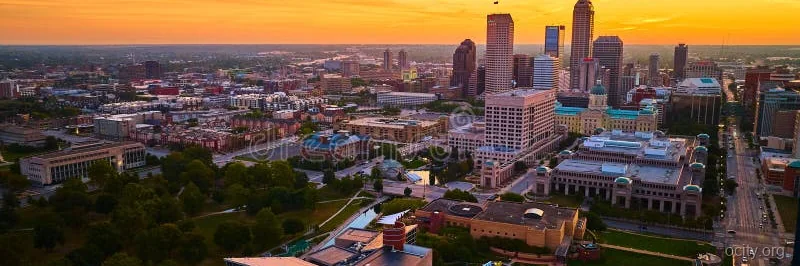
Verify the exact home
Check the current listing, lease terms, deposits, utilities, insurance and recurring fees. A citywide median is not a property quote.
From central districts to quieter residential areas, use this guide to build a Indianapolis shortlist, then verify the exact address and current conditions.
Address-level verification workflow
The editorial guide below can help build a shortlist, but rents, home values, safety, schools and travel times can differ by block and change quickly. Complete these checks before signing or buying.
Check the current listing, lease terms, deposits, utilities, insurance and recurring fees. A citywide median is not a property quote.
Use the local police or open-data portal for the exact address and relevant time period. Citywide rates cannot prove block-level risk.
District and attendance boundaries can change. Verify the exact address with the district before relying on a school assignment.
Travel the route at the hours you would use it and include parking, transfers, tolls and weather—not only an off-peak estimate.
Combine housing, transportation, taxes, insurance, childcare and debt. Neighborhood fit depends on the household, not a universal winner.
Walk the area during daytime and evening, check noise and services, and speak with qualified local professionals where appropriate.
The 2026 Indy Insider Guide: Stop Reading Those Outdated Blogs
Indianapolis isn't the city you remember. The "Circle City" is pushing outwards, and the old white flight suburbs are fighting a losing battle against the downtown core's magnetic pull. Right now, you're seeing a hard division: the 465 loop is no longer the safe middle ground; it's becoming a canyon of traffic and aging strip malls. The real action—and the real money—is happening inside the loop, specifically north and northeast of downtown. Gentrification isn't a whisper here anymore; it's a shout, particularly along the Monon Trail and the Mass Ave corridor. But be warned: the "cheap fixer-upper" you heard about in 2022? That ship has sailed, burned, and sunk. You're paying for the neighborhood now, not the house.
| Neighborhood | Vibe | Price Score (1-10) | Best For |
|---|---|---|---|
| SoBro | Blue-Collar Gentrified | 7 (Avg $1500+) | Young Families, Commuters |
| Fletcher Place | Historic Urban Wealth | 10 (Avg $2200+) | DINKs, Walkability Snobs |
| Irvington | Historic Bohemian | 6 (Avg $1300) | Creatives, Charm Seekers |
| Broad Ripple | Frat/Sorority Central | 8 (Avg $1600) | Nightlife (loud), Renters |
| Carmel (Old Town) | Suburban Perfection | 9 (Avg $1900+) | Families (Budget is no issue) |
| Garfield Park | Southside Gem | 5 (Avg $1050) | Value Hunters, Artists |
| The Old Northside | Old Money Transplants | 9 (Avg $1800+) | Professionals, History Buffs |
The divide in Indy is palpable. If you're living north of 38th Street and east of Meridian Street, you're in the money zone. The transformation of the Massachusetts Avenue district from a derelict warehouse area to the city's culinary epicenter is complete; now it's just expensive. The real "new" money is bleeding north into SoBro (South Broad Ripple) and crossing the tracks into the Old Northside.
The Monon Trail is the city's spine right now. Broad Ripple is officially maxed out—it's a neon-lit party zone for IU and Butler students. If you're over 25 and want sleep, look south of 54th Street or pivot entirely. The gentrification wave has hit the Near Eastside hard; areas that were "drive-by" five years ago now have coffee shops with $6 lattes. The Irvington historic district is holding its value fiercely; it’s the only neighborhood with real tree canopy and character without a $700k entry price, but inventory is bone dry.
Traffic is the new enemy. Meridian Street is a parking lot from 4:30 to 6:30 PM. The "commute" is now defined by how far you are from I-69 or I-70. If you're renting, look hard at the Old Northside; it's cheaper than Fletcher Place but offers a quick bike ride to the action. The "bad" areas are getting smaller, but they are distinct; avoid anything west of West Street near the Haughville neighborhood unless you know exactly what you're doing—it's still dealing with the fallout from the interstate construction and systemic neglect.
For Families: Carmel (Old Town) is the obvious answer if you have the money. If you don't, look at Zionsville, but for city proper, SoBro offers the best balance of city access, decent schools, and actual yards. Avoid Irvington for schools; the district is struggling.
For Wall St / Tech: If you're working at Eli Lilly or downtown, Fletcher Place is walking distance. If your office is up north near Keystone at the Crossing or Park 100, you want The Old Northside or Meridian-Kessler. Do not live south of I-70 if you commute north; the traffic on I-69 will kill your soul.
The Value Play: Garfield Park. It’s the last frontier of the southside. Buy a bungalow, fix it up, and wait for the Pleasant Run trail to get fully gentrified. It’s 5 years behind Irvington, which means it’s 5 years away from being unaffordable.
Citywide reference fields are not current quotes for a neighborhood or property.
Neighborhood Decisions
Ditch the car payment, insurance, and gas — these walkable cities make it easy
City analysisThe sweet spot of affordability and lifestyle — these cities deliver both
housingThe 21st Century ROAD Act could reshape the rental market. But will it actually lower rents?