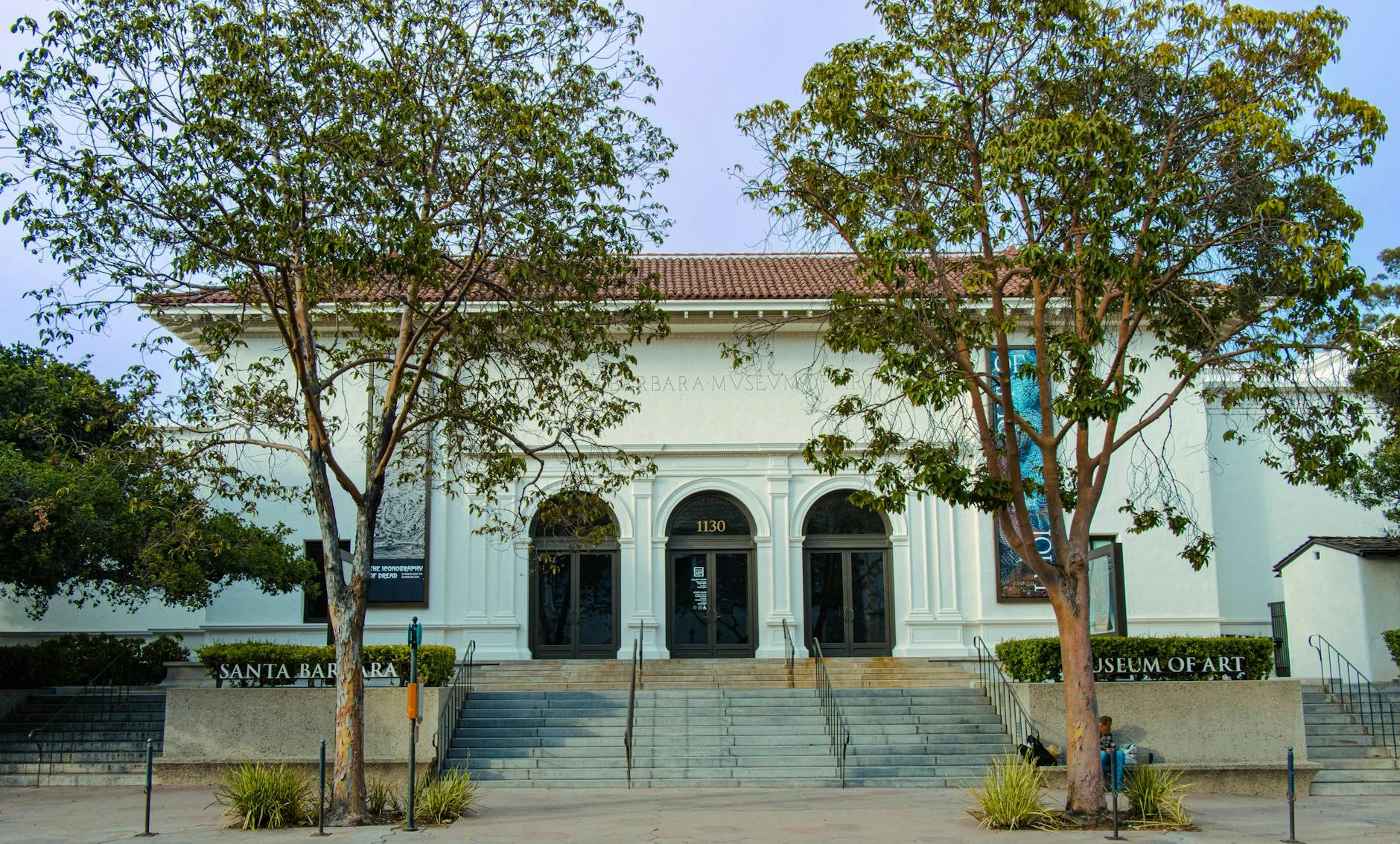
86,495
Population
$100,041
Median Income
$1.92M
Median Home Price
50%
Bachelor's Degree+
Purchasing Power Analysis
Lifestyle Impact in Santa Barbara
Santa Barbara is 13.5% more expensive than the national average. We calculate how much your salary "feels like" here.
Real Purchasing Power
$74,890
-12%
Reduction in lifestyle value
Relative to US Average
COL Adjusted
Real-time Metrics
Offer decision workflow
Got a job offer for Santa Barbara?
Santa Barbara is a higher-cost move than the national baseline, so a bigger headline salary may still need a counteroffer once housing, taxes, and monthly expenses are modeled.
Decode an offer in Santa Barbara
Check how salary, bonus, taxes, and Santa Barbara living costs change your real leftover cash.
Set your counteroffer
Use a negotiation-first playbook to choose between more base pay, a sign-on bridge, or a walk-away number.
Calculate walk-away pay
Turn Santa Barbara's cost structure into a city-specific salary target before you accept or push back.
Follow the relocation workflow
Use the full workflow if the decision includes relocation costs, deposits, and a city-to-city move.
Santa Barbara: The Data Profile (2026)
Santa Barbara represents a distinct micro-economy on the California coast. The city hosts a population of 86,495, creating a tight-knit community feel despite its high profile. The economic baseline is significantly elevated compared to national norms; the median household income sits at $100,041, which is +34.1% higher than the US median of $74,580. This income premium is supported by a highly educated workforce, with 49.5% of residents holding a bachelor's degree or higher, nearly double the national average of 33.1%.
Target Demographic: The statistical profile targets high-income professionals, likely in tech, biotech, or remote executive roles, who prioritize climate and lifestyle over urban density. It appeals to those earning $120,000+ annually who can absorb a +45.0% housing premium.
Cost of Living Analysis
The cost of living in Santa Barbara is driven almost entirely by housing. While groceries and transport hover near the national average, the energy sector is a massive outlier. Electricity costs 31.97 cents/kWh, nearly 100% higher than the US average of 16.0 cents/kWh.
Table 1: Monthly Cost of Living Breakdown (2026 Estimates)
| Category | Single Person Budget | Family of 4 Budget | Variance vs US Avg |
|---|---|---|---|
| Housing (Rent) | $2,651 | $3,996 | +85.0% |
| Groceries | $450 | $1,200 | +4.7% |
| Transportation | $450 | $1,100 | +8.8% |
| Healthcare | $380 | $1,050 | +9.2% |
| Dining/Entertainment | $550 | $1,200 | +14.8% |
| Utilities (Electric) | $140 | $280 | +100.0% |
| Total Monthly | $4,621 | $8,826 | +38.0% |
Disposable Income Analysis:
A single earner making the median income of $100,041 takes home approximately $72,000 after taxes. With a monthly burn rate of $4,621 ($55,452 annually), the disposable income remaining is roughly $16,548. This is tight for a "wealthy" demographic, suggesting that homeownership requires dual incomes or significant capital reserves.
💰 Cost of Living vs US Average
Santa Barbara's prices compared to national average (100 = US Average)
Cheaper than US
More expensive
Source: BLS & BEA RPP (2025 Est.)
Housing Market Deep Dive
The housing market is the primary barrier to entry. Buying is historically difficult, but the 2026 market shows a stabilization in rent prices due to high vacancy rates in the luxury sector.
Table 2: Housing Market Data (Buying vs Renting)
| Metric | Santa Barbara Value | US Average | Difference (%) |
|---|---|---|---|
| Median Home Price | $1,950,000 | $406,000 | +380.0% |
| Price / SqFt | $1,050 | $230 | +356.5% |
| Rent (1BR) | $2,651 | $1,650 | +60.7% |
| Rent (3BR) | $3,996 | $2,400 | +66.5% |
| Housing Index | 145.0 | 100.0 | +45.0% |
Buying vs. Renting Verdict:
The price-to-rent ratio is heavily skewed. To buy the median home ($1,950,000) with a 20% down payment, you are financing $1,560,000. At a 2026 interest rate of 6.5%, the monthly mortgage is approximately $11,000, excluding taxes and insurance. Comparing this to the $3,996 rent for a comparable 3-bedroom unit makes renting the financially superior option by a margin of $7,000/month.
🏠 Real Estate Market
$1.92M
Median Home Price
+356.7% vs US avg
$1173
Per Sq Ft
72
Days on Market
Source: Redfin 2025 estimates
Economic & Job Market Outlook
Santa Barbara's economy is insulated but volatile. The "Post-Remote" era has solidified the city as a hybrid hub. Commute times have decreased slightly to an average of 22 minutes due to stabilized office attendance.
RTO Impact: With 49.5% of the population college-educated, the workforce is white-collar. Major local industries include UCSB (education), tourism, and a burgeoning biotech corridor. However, the local unemployment rate is 5.5%, significantly higher than the US average of 4.0%. This suggests a tight labor market for unskilled labor but high competition for high-paying roles.
Salary Wars
See how far your salary goes here vs other cities.
$75,000
US National Average
$75,000
Nominal Value
Real Value in Santa Barbara
$66,079
-11.9% Purchasing Power
Purchasing Power Leaderboard
#1
Houston
$74,850
#2
Chicago
$73,099
#3
Phoenix
$71,090
#4
New York
$66,667
#5
Santa BarbaraYou
$66,079
💰 Income Comparison
Quality of Life Audit
Santa Barbara excels in health metrics but lags in safety and air quality.
Table 3: Quality of Life Metrics
| Metric | City Value | US Average | Rating |
|---|---|---|---|
| Health Score | 83.8/100 | ~75.0 | Good |
| Obesity Rate | 25.7% | 31.9% | Average |
| Diabetes Rate | 10.1% | 10.9% | Average |
| Smoking Rate | 9.8% | 14.0% | Low |
| Air Quality (AQI) | 58 | 45 | Moderate |
| PM2.5 Level | 8.5 µg/m³ | 7.0 µg/m³ | Moderate |
| Unemployment | 5.5% | 4.0% | High |
Safety Analysis:
Safety is a mixed bag. Violent crime stands at 500 incidents per 100k residents, which is 31.6% higher than the national average (380). Property crime is the primary concern, clocking in at 2,676 per 100k, which is 33.8% higher than the US average (2,000).
Air Quality & Weather:
The AQI averages 58, categorized as "Moderate," largely due to wildfire smoke risks and coastal inversion layers. PM2.5 levels are 8.5 µg/m³. Weather remains the primary draw: today’s conditions are "Mostly Clear" with a high of 65°F and a low of 45°F.
Schools:
The Santa Barbara Unified School District performs well, with a math proficiency average of 48%, compared to the state average of 42%.
Quality of Life Metrics
Air Quality
EPA Annual Average
Good
29AQI
Air quality is satisfactory.
PM2.5 Concentration5.9 µg/m³
Health Pulse
CDC PLACES Data
83.8
Score
Obesity
25.7% Low Avg (32%) High
Diabetes
10.1% Smoking
9.8%
Based on CDC PLACES health census data. Higher score indicates better overall public health outcomes.
See healthiest US cities →
Safety Score
FBI Crime Data Estimate
Below Avg
Violent Crime
per 100k people
499.5
US Avg: 363.8
Property Crime
per 100k people
2677
US Avg: 1917
Crime rates are generally higher than the national average.
See safest US cities →
The Verdict
Pros:
- Health: A health score of 83.8/100 and a smoking rate of only 9.8% indicate a vibrant, active population.
- Income Potential: Median income is $100,041, offering high earning potential for the educated.
- Climate: Consistent 60°F+ temps drive a high utility cost but a low heating bill.
Cons:
- Housing Cost: A median home price of $1,950,000 makes wealth accumulation via real estate impossible for most.
- Safety: Property crime is 2,676 per 100k, requiring high security insurance and vigilance.
- Energy Prices: Electricity at 31.97 cents/kWh is a massive monthly drain.
Final Recommendation:
Santa Barbara is a "Rent-Only" city for 2026. The data suggests that renting allows you to access the lifestyle and income potential without the capital lock-up of a $1,950,000 asset. It is highly recommended for high-earning renters ($120k+) but not for prospective homebuyers unless they have $400,000+ in liquid cash for a down payment.
FAQs
1. What salary is needed to live comfortably in Santa Barbara?
For a single person, a salary of $110,000 is the baseline to cover the $4,621 monthly budget and save 15%. For a family, you need a dual-income household totaling $180,000.
2. How does the value compare to other California cities?
Santa Barbara is +380% more expensive than the US average for housing, whereas Los Angeles is roughly +250%. You pay a premium for the "small city" feel and ocean proximity.
3. Are the safety statistics reliable?
Yes. While violent crime is 500/100k, the high property crime rate of 2,676/100k is the real statistical risk. Car break-ins and residential burglary are 33.8% more likely here than in a standard US city.
4. Is it better to move in the Summer or Winter?
Move in Winter. The rental market is seasonal; demand peaks in summer when UCSB is active and tourism surges. Rents can be 5-10% lower in Q1 (January-March).
Explore More in CA
Los Angeles San Diego San Jose San Francisco Fresno Sacramento Long Beach Oakland Bakersfield Anaheim
Popular Comparisons
City Resources
Compare Santa Barbara
Loading city calculator…